




What Happened in Nepal
On the morning of August 26, 2026, a sudden, violent torrent of water, mud, and debris surged through river valleys near the Nepal-Tibet border. Entire villages, markets, bridges, and hydropower projects were wiped out in minutes by the powerful flow.
The disaster claimed over 160 lives, with hundreds of people, including tourists and pilgrims, reported missing. Initially, there was confusion about the cause, with some officials pointing to a possible earthquake. However, the U.S. Geological Survey later clarified that the seismic signals it detected were not from an earthquake, but were generated by the collapse of a massive glacier and the subsequent debris flow. Experts analysing satellite imagery confirmed that a huge chunk of ice and rock broke off from a glacier, triggering the catastrophic event.
The Science of a Glacial Collapse
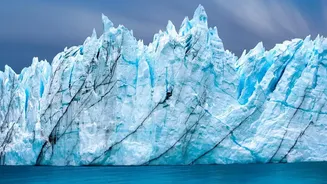
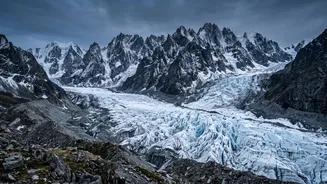
This event was what scientists call an 'ice-rock avalanche'. Unlike a typical flood caused by heavy rain, this disaster started high in the mountains. A large portion of a glacier, weakened over time, suddenly broke away. This collapse generated immense energy, likely turning some of the ice into water almost instantly. As this mass of ice, rock, and water thundered down the mountain, it picked up more sediment and debris, creating a thick, fast-moving slurry. In this case, the debris flow is thought to have temporarily blocked a river, creating a natural dam that quickly burst, releasing the devastating flood wave downstream. This is slightly different from a more commonly discussed phenomenon known as a Glacial Lake Outburst Flood, or GLOF, though both are driven by the instability of the cryosphere.
Understanding Glacial Lake Outburst Floods (GLOFs)
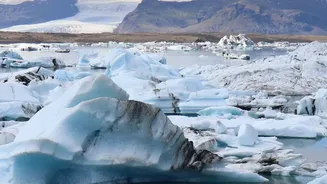
A GLOF occurs when a natural dam containing a glacial lake fails. As glaciers melt and retreat due to rising temperatures, they often leave behind vast lakes. These lakes are typically dammed by moraines—unstable walls of loose rock and debris left by the glacier. These natural dams are not as strong as concrete ones. They can be breached by a number of triggers, including an avalanche or landslide falling into the lake, which creates a massive wave that overtops the dam. They can also fail due to the simple buildup of water pressure or from water seeping through the loose material, weakening it from within. When these dams fail, they can release millions of cubic metres of water in a matter of hours, resulting in floods far more powerful than normal monsoon-fed events.
A Himalayan-Wide Threat
The disaster in Nepal is not an isolated incident but a grave warning for the entire Hindu Kush Himalayan region, which is a known hotspot for such hazards. Communities in India, particularly in states like Sikkim, Uttarakhand, and Himachal Pradesh, face the same escalating risk. In October 2023, a GLOF from the South Lhonak Lake in Sikkim caused a devastating flash flood along the Teesta River, claiming dozens of lives and destroying the Chungthang Dam. As glaciers continue to retreat, thousands of new and potentially dangerous glacial lakes are forming across the mountain range, increasing the potential for such disasters. Many hydropower projects and settlements in India are situated in valleys that lie directly in the path of potential GLOFs, making them highly vulnerable.
The Climate Change Connection
The root cause accelerating this danger is climate change. Global warming is causing Himalayan glaciers to melt at an unprecedented rate—a pace that has quickened significantly in the last decade. This rapid melting does two things: it causes existing glacial lakes to swell in size, putting more pressure on their fragile moraine dams, and it creates thousands of new lakes where glaciers once stood. The warming also thaws the permafrost that acts as a 'glue' holding mountainous terrain together, making rockfalls and landslides more likely, which can in turn trigger a GLOF. The recent event in Nepal is a clear illustration of how this warming-induced instability can have sudden and deadly consequences for downstream populations.