





Why Rain and Moisture Are a Risk
A dog's ear canal is L-shaped, which makes it easy for moisture, dirt, and debris to get trapped deep inside. When your dog plays in the rain or even just walks in high humidity, this trapped moisture creates a warm, dark, and damp environment—the perfect
breeding ground for yeast and bacteria to multiply. This overgrowth can quickly lead to painful inflammation and infection, a condition known as otitis externa. The humid climate in many parts of India, especially during the monsoon, means this risk is significantly higher year-round.
Breeds at Higher Risk
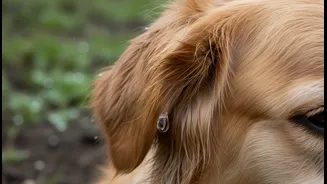
While any dog can get an ear infection, some breeds are more susceptible due to their ear structure. In India, this includes popular breeds like Labrador and Golden Retrievers, Beagles, Cocker Spaniels, and Basset Hounds. Their long, floppy ears cover the ear canal, trapping moisture and reducing airflow. Breeds with excessive hair inside their ears, such as Poodles and Shih Tzus, are also at increased risk because the hair can hold onto dampness and debris.
Spotting the Telltale Signs
Dogs can't tell us when their ears hurt, but their behaviour provides important clues. Catching these signs early can prevent a minor irritation from becoming a serious problem. Be on the lookout for: persistent head shaking or tilting, excessive scratching or pawing at the ears, and rubbing their head against furniture. Other key indicators include a foul or musty odour from the ear, visible redness or swelling inside the ear flap, and any unusual discharge that could be brown, yellow, or bloody. In some cases, your dog might become sensitive to touch around their head or seem withdrawn.
Your Step-by-Step Ear Check Guide
A quick check after a rainy walk can make all the difference. Start by gently lifting your dog's ear flap and looking inside. The skin should be a healthy pale pink, free of debris, and have no strong smell. A small amount of light brown wax can be normal, but excessive buildup is a concern. Next, give a gentle sniff. A healthy ear shouldn't have a foul or yeasty odour. After every walk in the rain or bath, use a soft, absorbent towel to gently dry the outside and entrance of the ear canal. This simple routine helps remove excess moisture before it becomes a problem.
The Right Way to Clean and Dry
For routine care, especially for dogs prone to infections, a weekly cleaning with a vet-approved solution can help maintain a healthy balance. These cleaners are formulated to dry the ear canal and break down wax. To clean your dog's ears, gently apply the solution into the ear canal, massage the base of the ear for about 20-30 seconds, and then let your dog shake their head. Use a cotton ball or soft gauze to wipe away any excess liquid and debris from the part of the ear you can see. Never insert cotton swabs or any other object deep into the ear canal, as this can push debris further in or damage the eardrum.
When to Call the Veterinarian
While preventative care is crucial, some situations require professional help. If you notice a strong odour, heavy discharge, significant redness or swelling, or if your dog seems to be in pain, it's time to see a vet. These are signs of an active infection that won't resolve on its own and requires a proper diagnosis and prescription medication. Your veterinarian can take a sample from the ear to identify if the infection is bacterial or fungal and prescribe the right treatment. Early intervention is key to avoiding more serious complications like chronic pain, hearing loss, or balance issues.