


A Craving for Authenticity
For years, the modern Indian palate has chased global trends, from deconstructed plates to sous-vide everything. Yet, a collective craving for authenticity is pulling focus back home. This isn't just simple nostalgia; it's a deeper search for genuine,
complex flavours that have been perfected over generations. In a world of fleeting food fads, the intricate and time-tested character of a family-recipe masala offers a powerful connection to culinary heritage. This shift is partly a response from those who appreciate the finer nuances of food, looking for tastes that are both comforting and layered with history. The experimental crowd is discovering that the most innovative flavours were often waiting in plain sight, tucked away in the kitchens of grandparents and in the heart of India's diverse culinary regions.
Beyond the Usual Suspects
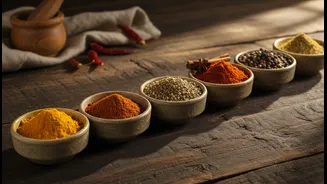
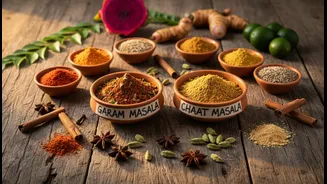
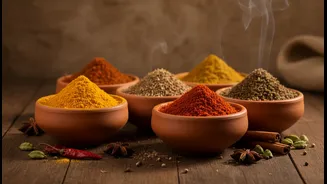
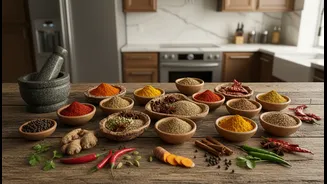
The current fascination goes far beyond the familiar garam masala or pav bhaji mix. Food lovers are exploring the rich tapestry of India's regional specialties, uncovering blends that tell a unique local story. Think of the Bengali five-spice blend, Panch Phoron, where whole seeds are tempered in oil to release their distinct aromas. Or consider Maharashtra’s Goda Masala, with its fragrant, sweet profile derived from coconut and sesame. Even single ingredients with unique terroir are gaining cult status, such as the earthy, mysterious 'stone flower' (dagad phool) used to deepen Hyderabadi biryanis or the smoky, fruity heat of the Naga King Chilli. This rediscovery is proving that traditional Indian cuisine is not a monolith, but a universe of distinct and sophisticated flavour systems.
The Rise of Artisanal Masalas
This movement has been enabled by a new wave of artisanal and heirloom spice brands. Companies like Sondevi and Heritage Masala are meticulously recreating spice blends from family recipes, often using traditional methods like hand-pounding or cold-grinding to preserve the volatile oils that give spices their potent aroma and flavour. These brands offer convenience without compromise. For the busy urban professional or experimental home cook, they provide a direct link to authentic taste without the laborious process of sourcing, roasting, and grinding individual spices. With a focus on preservative-free, small-batch production, these new-age masala makers are elevating pantry staples into gourmet products, making regional specialties like Coorg's Pandi Curry masala accessible to a national audience.
From Home Kitchens to Modern Restaurants
The trend has received a powerful endorsement from India's top chefs. Pioneers of modern Indian cuisine are increasingly looking inward for inspiration, weaving traditional spice blends into their contemporary menus. By placing a spotlight on rare or forgotten ingredients like long pepper (pipli) or kokum, they give these traditional flavours a new platform and prestige. When a celebrated chef incorporates a hyper-regional masala into an innovative dish, it validates its complexity and introduces it to a new generation of diners. This top-down influence encourages food enthusiasts to explore these spices in their own kitchens, confident that they are working with ingredients celebrated for their depth and versatility. This synergy between high-end dining and home cooking is rapidly expanding the vocabulary of the modern Indian palate.