






Why Your CV Is No Longer Enough
For decades, the curriculum vitae (CV) has been the undisputed king of the job application. A neat, two-page summary of your education, skills, and work history was all you needed. But the world of work has changed. Recruiters now spend mere seconds scanning
each application, looking for a reason to say 'yes' amidst a sea of lookalike documents. The fundamental flaw of the traditional CV is that it tells, but it doesn't show. It lists 'Project Management' as a skill but offers no proof. It mentions a successful marketing campaign but can't display the visuals or the data. In a digital-first world, this flat, static format fails to capture the dynamism, creativity, and real-world impact that employers are desperate to see. It reduces your entire professional story to a series of bullet points, making it incredibly difficult to stand out.
The Power of Showing, Not Telling
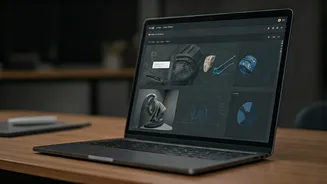
This is where the digital portfolio comes in. Think of it less as an extended CV and more as your personal professional gallery. It's a dedicated space, curated by you, to bring your accomplishments to life. A graphic designer can display their best creations. A writer can link to their published articles. A developer can showcase their code on GitHub. A marketing manager can present case studies with visuals, metrics, and outcomes. A portfolio transforms you from a list of qualifications into a living, breathing professional with a story to tell. It provides concrete evidence of your abilities, demonstrating your thought process, your style, and the tangible results you've delivered. This shift from telling ('I am a skilled communicator') to showing (a link to a presentation you gave) is the single most powerful change you can make to your job search strategy.
The Core Elements of a Winning Portfolio
Building a portfolio might sound daunting, but it’s about quality, not quantity. Focus on showcasing your best work through a few key components. Start with a compelling 'About Me' section—a short, personable biography that explains who you are and what you're passionate about. Then, create project showcases. For each key project, use a simple case study format: outline the problem you were trying to solve, describe the actions you took, and showcase the results you achieved. Use high-quality images, videos, or links to the live project. Don't forget to include testimonials; a few positive quotes from previous managers, clients, or colleagues can add immense credibility. Finally, make it easy for people to connect with you by including clear contact information and links to your professional profiles, like LinkedIn.
Getting Started: Simple Tools to Use
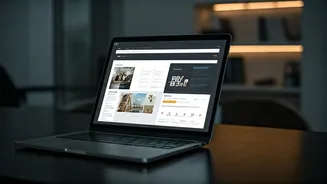
You don't need to be a web developer to create a stunning digital portfolio. There are countless user-friendly platforms designed for this exact purpose. For visually-driven fields like design, photography, or architecture, platforms like Behance or Adobe Portfolio are industry standards. For writers, marketers, and consultants, a simple website built on Squarespace, Wix, or even a well-structured blog on WordPress can work wonders. Even a meticulously curated LinkedIn profile, using the 'Featured' section to highlight projects and posts, can serve as a powerful mini-portfolio. The key is to choose a platform that is easy for you to update and that presents your work in a clean, professional, and engaging way. Start small with your two or three best projects and build from there.
Integrate It Into Your Job Search
A digital portfolio doesn't replace your CV entirely; it supercharges it. Think of your CV as the trailer and your portfolio as the full movie. You should include a prominent, clickable link to your portfolio at the top of your CV, right alongside your contact details. Add it to your LinkedIn profile header and your email signature. When you network or have informational interviews, you can share the link to give contacts a deeper understanding of your work. By seamlessly integrating your portfolio into your professional presence, you give recruiters and hiring managers an immediate, compelling reason to spend more time getting to know you and your work.