



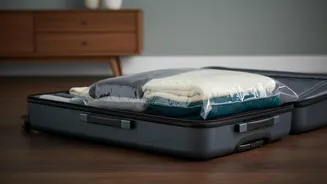

The Science of Shrinking Your Wardrobe
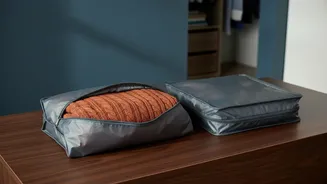
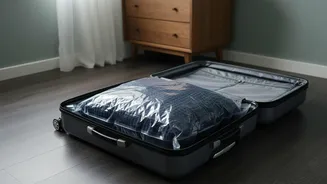
At its core, a compression bag is a simple but brilliant tool. These bags, typically made of durable plastic or nylon, are designed to have excess air forced out of them, drastically reducing the volume of their contents. There are generally two types:
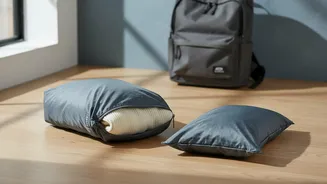
vacuum-sealed bags that require a pump or a vacuum cleaner to remove the air, and manual roll-up bags where you squeeze the air out through a one-way valve. The principle is the same for both: by eliminating the air trapped between fabric fibres, bulky items like puffer jackets, sweaters, and towels can be flattened to a fraction of their original size. This allows you to either pack more into your luggage or simply enjoy a lighter, less bulky bag.
Just How Much Space Can You Save?
The space-saving claim is not an exaggeration. Many users and manufacturers report that compression bags can reduce the volume of soft goods by 50% to 60%. This can be the difference between fitting everything into a carry-on versus needing to check a bag. For travellers trying to adhere to shrinking airline baggage allowances, this is a game-changer. They are particularly effective for squishy items that contain a lot of air. Think wool jumpers, fleece jackets, and scarves. While they work wonders on volume, it is crucial to remember that compression bags do not reduce weight. It is easy to get carried away and pack so much that your suitcase exceeds the airline's weight limit, so keeping an eye on the scale is essential.
An Airtight Shield Against Moisture and Spills
Beyond creating space, the airtight seal on a compression bag offers another significant benefit: protection. Because the bags are designed to be impermeable to air, they are also highly resistant to water. This means your clothes are shielded from a variety of travel mishaps. A leaky shampoo bottle, a rain-soaked suitcase left on the tarmac, or even just high humidity in a tropical destination will not penetrate the bag. This protective quality also works in reverse. You can use a spare compression bag to isolate damp swimwear or dirty laundry, preventing moisture and odours from spreading to your clean clothes. Many are made from water-resistant materials like nylon, adding an extra layer of defence.
Smart Use: Avoiding Wrinkles and Overpacking
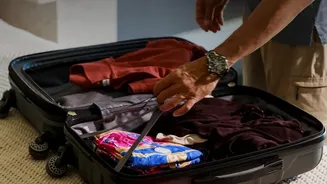
While effective, compression bags are not without their potential downsides, most notably wrinkles. The intense pressure can set deep creases in certain fabrics. To minimise this, it is best to neatly fold or roll clothes before placing them in the bag. Rolling is often recommended as it avoids sharp folds. Some users also suggest not removing every last bit of air, leaving a small cushion to reduce pressure. For delicate or easily wrinkled items like linen shirts or dresses, you may want to pack them separately or use other methods, like layering with tissue paper. Using compression bags for your bulkiest items while packing delicates more loosely is a balanced strategy for a wrinkle-free arrival.
Choosing and Using the Right Bag for Your Trip
When selecting compression bags, consider your travel style. Vacuum bags offer the most powerful compression but require a pump, which may be inconvenient on the go. Roll-up bags are more practical for trips where you will be packing and unpacking frequently. Look for bags made from thick, durable materials with robust double-zipper seals to ensure they last for multiple trips and hold their seal effectively. It is also wise to get a variety pack of different sizes to suit everything from socks and underwear to large jackets. By organising items into different bags—tops in one, bottoms in another—you also add a layer of organisation to your packing, making it easy to find what you need without disrupting your entire suitcase.