






The Fibre Story: What's Lost in Translation?
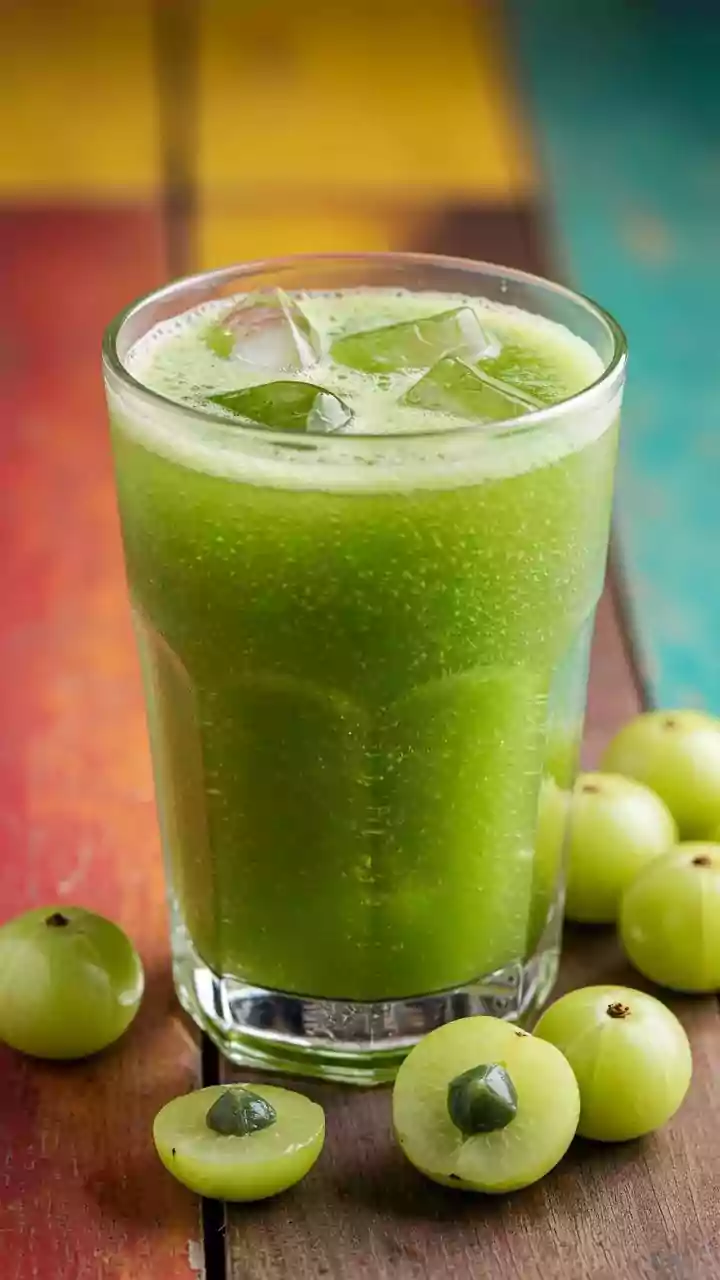
The most significant difference between eating a whole fruit and drinking its juice comes down to one crucial component: dietary fibre. Fruits contain two types of fibre: soluble and insoluble. Soluble fibre dissolves in water to form a gel-like substance
in your gut, which helps slow digestion and can lower cholesterol. Insoluble fibre, the 'roughage' found in the pulp, skin, and structural parts of the fruit, adds bulk and aids regularity. When a fruit is juiced, the machine extracts the liquid and separates it from the fibrous pulp and skin. While most of the soluble fibre remains in the juice, nearly all the beneficial insoluble fibre is discarded. This process fundamentally changes how your body processes the fruit.
The Sugar Spike: Why Juice Hits Different
When you eat a whole apple, its sugars are encased in a fibrous matrix. This structure forces your body to work harder to break it down, leading to a slow, steady release of sugar into the bloodstream. Juice, having been stripped of this fibre, is a different story. The sugars are 'free' and readily available, causing a rapid spike in blood glucose levels, much like a sugary drink. For example, a whole orange has a glycemic index (GI) of around 43, while its juice can be as high as 57 or more. This rapid rise and subsequent fall in blood sugar can leave you feeling hungry sooner and, over time, is associated with an increased risk of type 2 diabetes and weight gain.
More Than Just Fibre: The Benefits of the Whole Package
The fibre isn't the only thing you miss out on with juice. A significant portion of a fruit's vitamins, minerals, and powerful antioxidants are bound to the fibre or concentrated in the skin. For instance, an apple skin contains substantially more Vitamin K and Vitamin A than the flesh alone. These compounds, known as polyphenols, act as defence mechanisms for the plant and offer numerous health benefits to us, including anti-inflammatory and antioxidant effects. By discarding the peel and pulp, you are literally throwing away a powerhouse of nutrition that works synergistically with the fibre to support gut health and protect your cells from damage.
Satiety and Portion Control: The Feeling of Fullness
Chewing a whole fruit takes time and effort, signaling to your brain that you are eating and contributing to a feeling of fullness, or satiety. The bulk from the fibre also physically fills your stomach, helping to reduce hunger. In contrast, a glass of juice is consumed in minutes. It's easy to drink the juice of four or five oranges in one sitting, consuming all their sugar and calories without the accompanying sense of fullness. You would be unlikely to eat five whole oranges in the same amount of time. This makes it much easier to overconsume calories and sugar when drinking juice, which can contribute to weight gain.
Making the Healthier Choice: Is There a Place for Juice?
While whole fruit is the undisputed nutritional winner, juice isn't entirely without merit. It can be a convenient way to get a quick dose of vitamins and minerals, especially for those who struggle to eat enough fruit. However, if you choose to drink juice, think of it as a treat rather than a health staple. Opt for freshly pressed juice where possible, as packaged versions can contain added sugars and preservatives. Consider diluting it with water or pairing it with a source of protein or fat, like a handful of nuts, to slow down sugar absorption. An even better alternative is a smoothie. Blending a whole fruit retains all the fibre, giving you a more balanced and filling drink that's much closer to eating the fruit itself.