






What Exactly Is Cold-Pressed Juice?
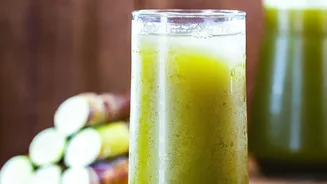
First, let's clarify what 'cold-pressed' means. Unlike traditional centrifugal juicers that use fast-spinning blades to shred produce, cold-press machines use a hydraulic press to slowly crush and squeeze fruits and vegetables. This process generates
very little heat, which is the main selling point. Proponents claim this gentle method preserves more heat-sensitive vitamins, minerals, and enzymes that would otherwise be degraded by the heat and oxidation of a centrifugal juicer. The result is a smooth, vibrant juice with a supposedly higher nutritional yield and a fresher taste. While some studies suggest cold-pressed juices can retain more nutrients than their centrifugal counterparts, others have found no significant difference in bioactive compounds. What is certain, however, is what gets left behind.
The Missing Ingredient: Dietary Fiber
The single most significant trade-off in any juicing process is the removal of fiber. When you press a fruit or vegetable, you separate the liquid from the solid pulp and skin—and that pulp is where most of the incredibly beneficial dietary fiber is found. There are two main types of fiber: soluble, which dissolves in water, and insoluble, which adds bulk. Cold-pressed juice retains some soluble fiber but removes nearly all the insoluble fiber. This is a crucial loss. Fiber is essential for a healthy digestive system, as it feeds good gut bacteria and keeps things moving. Perhaps more importantly, it helps you feel full and satisfied after eating, something a glass of juice simply cannot do.
The Impact on Your Blood Sugar
The absence of fiber has a direct and immediate impact on your blood sugar. When you eat a whole fruit, its fiber slows down the absorption of its natural sugars (fructose) into the bloodstream, leading to a steady supply of energy. When you drink that same fruit as juice, you are consuming concentrated sugar without the fiber to act as a brake. This causes a rapid spike in blood sugar, much like drinking a soda or other sugary beverage. Your body then releases a surge of insulin to manage the sugar rush, which often leads to a subsequent 'crash', leaving you feeling tired and hungry again soon after. For individuals managing blood sugar levels, such as those with insulin resistance or diabetes, this can be particularly problematic.
Are There Any Benefits Left?
This isn't to say cold-pressed juice is entirely without merit. For those with compromised digestive systems or who struggle to consume enough produce, juice can be an easy-to-digest way to get a concentrated dose of certain vitamins and minerals. Because the nutrients are in a liquid form without insoluble fiber, they are absorbed very quickly by the body. This can be useful for a quick nutrient boost. However, it's vital to view juice as a supplement, not a substitute for whole foods. Vegetable-heavy juices are a better choice than fruit-heavy ones, as they are naturally lower in sugar. Looking for blends with ingredients like carrots, broccoli, or leafy greens can provide nutrients without an overwhelming sugar load.
Whole Fruit vs. Juice: The Clear Winner
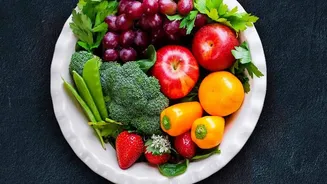
When comparing a cold-pressed juice to its whole-food origin, the verdict is overwhelmingly clear: eating the whole fruit or vegetable is the healthier choice. A whole apple provides vitamins, minerals, water, and both soluble and insoluble fiber. It requires chewing, which aids in satiety signals, and its sugars are released slowly. The equivalent apple juice provides a shot of sugar and some vitamins but lacks the fiber and the feeling of fullness. If convenience is your top priority, a blended smoothie is a far better option than a juice, as blending retains the fiber from the entire fruit or vegetable, keeping you fuller for longer and preventing dramatic blood sugar fluctuations.