




Understanding the Mediterranean Philosophy
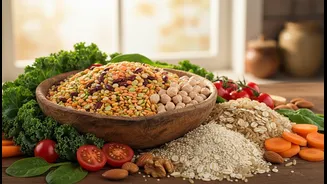
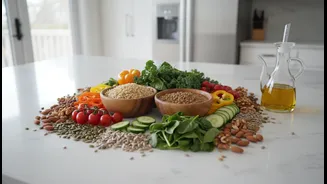
Before swapping ingredients, it's crucial to understand that the Mediterranean diet is less a strict set of rules and more a lifestyle pattern. Its foundation is built on consuming an abundance of plant-based foods like vegetables, fruits, legumes, and whole
grains. It prioritizes healthy fats, moderate portions of fish and poultry, and very limited red meat and sweets. The focus is on whole, minimally processed ingredients, which is a principle that aligns well with traditional Indian food practices. It’s not about eating Greek salads daily, but about applying this plant-forward, healthy-fat philosophy to the food you already love.
Healthy Fats, Indian-Style
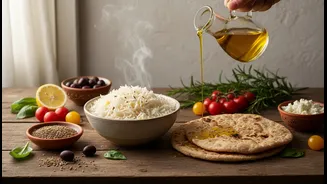
The Mediterranean diet is famous for its use of extra virgin olive oil. While excellent for salads and light sautéing, it's not always suitable for the high-heat cooking common in Indian kitchens. Fortunately, India has its own array of healthy fats. Cold-pressed mustard oil, prevalent in the North and East, is rich in healthy MUFAs and PUFAs and has a high smoke point. Similarly, groundnut oil and sesame oil are excellent choices. Even ghee, when used in moderation, offers fat-soluble vitamins and is very stable for high-heat cooking. The key is to move away from heavily refined oils and embrace these traditional, healthier alternatives.
The Power of Pulses and Proteins
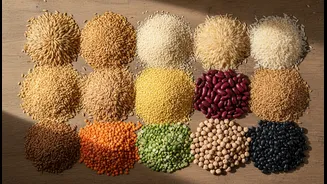
The Mediterranean diet includes fish and poultry a few times a week, but its heart is plant-based. This is where the Indian diet truly shines. Our vast and varied use of lentils (dals), beans, and chickpeas (chana, rajma) is a perfect fit. These legumes are protein powerhouses and form the foundation of countless Indian meals. For non-vegetarians, grilled fish or chicken can be included a couple of times a week, just as in the Mediterranean. For vegetarians, paneer and curd (yogurt) can be consumed in moderation, offering excellent protein sources that complement a meal of dal and sabzi.
Reimagining Roti, Rice and Grains
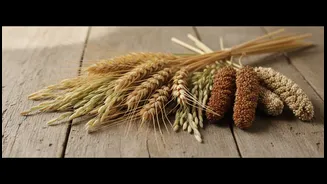
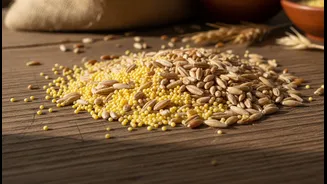
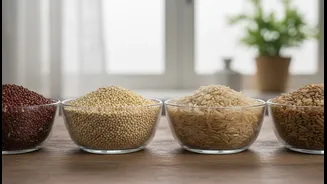
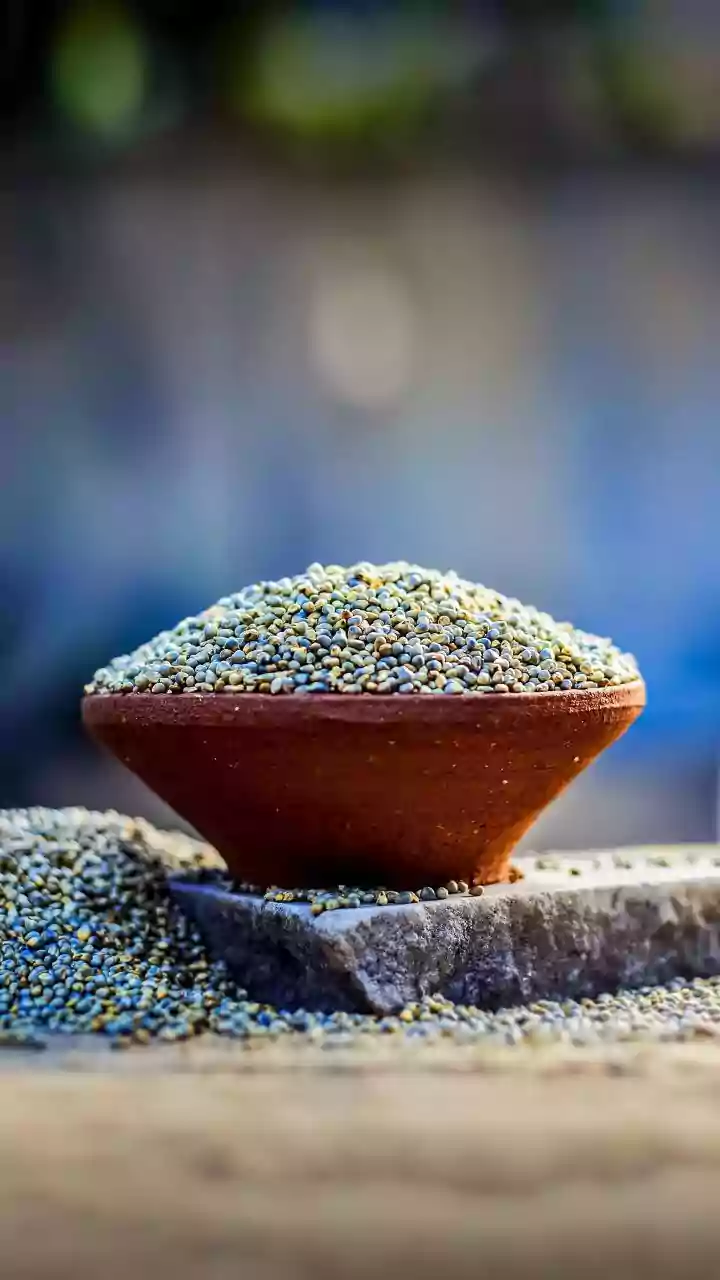
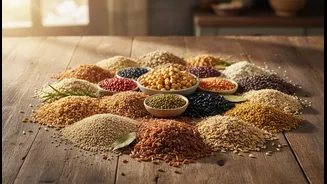
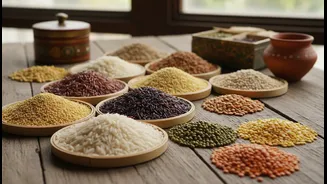
Refined grains like white rice and white flour are limited in a Mediterranean framework. The focus is on whole grains. This doesn’t mean giving up roti and rice; it means making smarter choices. Opt for whole wheat (atta) rotis instead of those made with maida. Switch from white rice to brown rice for a higher fibre content. Even better, embrace India's incredible diversity of millets. Grains like ragi (finger millet), jowar (sorghum), and bajra (pearl millet) are nutritional powerhouses. They are naturally gluten-free, have a low glycemic index, and are packed with minerals. Using millet flours for rotis or substituting rice with millets is an easy and effective adaptation.
Let Vegetables and Spices Lead
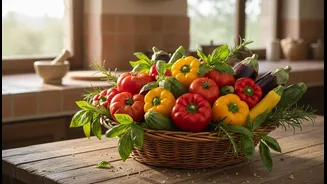
A core tenet of the Mediterranean diet is to make vegetables the star of your plate. This is something Indian cuisine does exceptionally well, with its wide array of sabzis, poriyals, and bhajis. The goal is to fill half your plate with seasonal vegetables. Rather than relying on heavy, creamy gravies, let the vegetables shine through by using lighter cooking methods like steaming, stir-frying, or grilling. The Mediterranean diet also uses herbs and spices for flavour instead of excess salt. Here, Indian cooking is already ahead, with its masterful use of turmeric, cumin, coriander, and countless other spices that not only add incredible flavour but also offer anti-inflammatory benefits.