






Why Smaller is Smarter
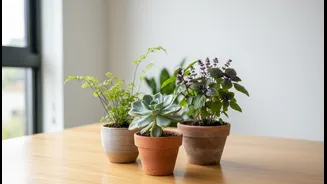
The ambition to create an instant, sprawling garden is a common pitfall for beginners. It often leads to feeling overwhelmed, spending too much, and ultimately, losing plants. The philosophy of starting small is a powerful antidote. With just a few pots,
you can focus your energy and resources. This approach minimises maintenance and makes the learning curve feel manageable rather than impossible. A small garden is less a test of endurance and more an invitation to learn. Success with one or two plants builds the confidence needed to continue, turning a potentially frustrating hobby into a rewarding one. It's about creating a positive feedback loop from the very beginning.
Choosing Your First Few Companions
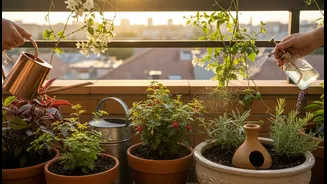
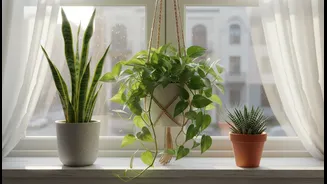
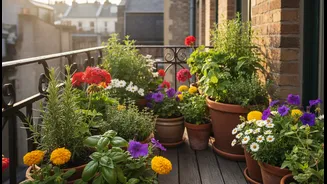
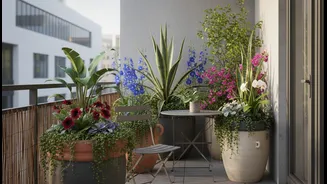
The key to a successful small start is picking the right plants. Opt for varieties that are known to be forgiving and well-suited to the Indian climate. Container gardening is an excellent choice for beginners, as it gives you complete control over soil and location. Consider starting with just two or three pots on a balcony or windowsill. For Indian homes, plants like Tulsi (Holy Basil), Money Plant (Pothos), Mint (Pudina), or even a single tomato plant are fantastic choices. These plants are resilient, require basic care, and provide tangible rewards, whether it's fresh herbs for your kitchen or the simple joy of a thriving green presence.
The Art of Daily Observation
The real magic of a small garden is that it allows you to truly see your plants. Make it a daily ritual to spend a few minutes with them. This isn't a chore; it's a practice in mindfulness. What should you look for? Notice the colour and texture of the leaves. Are they vibrant green, or are they showing hints of yellow? Feel the soil—is it dry to the touch an inch down, or is it still moist? Look for new growth, like tiny leaves unfurling or the promise of a bud. Check the undersides of leaves for any unwelcome visitors. By observing your plants daily, you'll develop an intuition for their rhythms and needs, spotting potential issues long before they become major problems.
Responding to What You See
Observation is only half the battle; the other half is action. Because you are only tending to a few plants, you can provide tailored care. For instance, drooping leaves might mean your plant is thirsty. Give it a thorough watering and watch how it perks up within a few hours. Yellowing leaves can be more complex—it could signal overwatering, a lack of nutrients, or not enough sun. By having a small number of plants, you can isolate the variable and learn. Did the yellowing stop after you moved the pot to a sunnier spot? Did the leaves green up after you added some simple fertiliser? This responsive, individualised care is what helps a new gardener understand that each plant is its own entity with specific needs.
Scaling Up, Mindfully
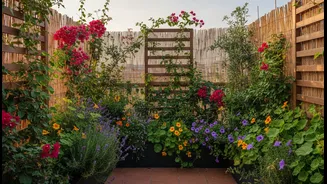
Once you have successfully kept your first few plants happy and healthy for a season, you'll have the confidence and, more importantly, the experience to expand. The beauty of the "start small" method is that it's scalable. When you decide to add a new plant, you're not starting from zero. You're adding to a system of observation and care that you've already established. You'll know how to choose a healthy plant, how to watch it for signs of stress after bringing it home, and how to integrate it into your routine. Scaling up shouldn't be a sudden leap but a gradual, mindful process, adding one or two new plants at a time and giving yourself the space to learn their unique needs just as you did with your first ones.