





The Nutritional Promise of Millets
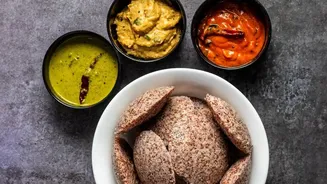
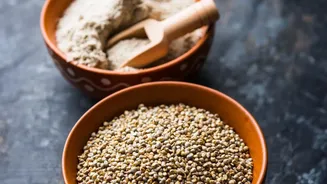
Once a humble staple, millets like ragi, jowar, and bajra are now celebrated as nutritional powerhouses across India. These resilient ancient grains are packed with fibre, plant-based protein, and essential minerals like iron, magnesium, and calcium.
Their low glycemic index helps in managing blood sugar levels, providing sustained energy without the spikes associated with refined grains like white rice or maida. This impressive profile makes them a fantastic choice for those looking to improve their digestive health, manage weight, and diversify their diet beyond wheat and rice. But there's a catch: these nutrients are not always readily available to our bodies.
Understanding Nature's Defence: Anti-Nutrients
Millets, like many whole grains, seeds, and legumes, contain natural compounds called anti-nutrients. The most significant of these is phytic acid. Think of phytic acid as a plant's natural defence mechanism. In the human digestive system, it acts like a magnet for minerals, binding to iron, zinc, and calcium and forming insoluble complexes that our bodies cannot absorb. This means that even if a millet is rich in these minerals, a significant portion can pass through your system unused if the grain isn't prepared correctly. Regularly consuming improperly cooked millets can lead to poor nutrient absorption and digestive issues like bloating and gas.
Ancient Wisdom: How Slow Techniques Work
The secret to neutralizing these anti-nutrients lies in traditional preparation methods that our ancestors knew intuitively. The most crucial and simple technique is soaking. When you soak millets in water for at least six to eight hours, you activate a naturally occurring enzyme called phytase. This enzyme works to break down the phytic acid, effectively 'unlocking' the minerals and making them bioavailable for your body to use. More advanced techniques like fermentation (as used in dosa batters) and sprouting take this process even further, not only reducing anti-nutrients but also increasing the content of beneficial B-vitamins and making the proteins easier to digest.
Putting It Into Practice in Your Kitchen
Applying this wisdom is simple. Before cooking, rinse your millets thoroughly and then soak them in clean water for a minimum of six hours, or even overnight. After soaking, it's a good practice to discard the soaking water, as it contains the leached-out anti-nutrients, and give the grains another quick rinse. Once soaked, the millets are ready for cooking. A slow, gentle simmer is preferable to a rapid, high-heat boil. Use a 1:2 ratio of millets to water and cook in a covered pot on low heat. This gentle cooking not only preserves delicate nutrients but also results in a far superior texture. You'll find that soaked, slow-cooked millets are fluffier, softer, and cook more evenly.
The Payoff: Better Flavour and Digestion
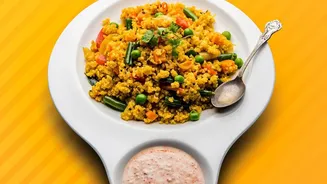
The benefits of these slower techniques extend beyond just nutrition. Many people who find millets slightly bitter or hard to digest are often reacting to unsoaked grains. Soaking and slow cooking mellows the flavour, removing any bitterness and bringing out the grain's naturally nutty and earthy notes. Furthermore, by breaking down complex starches and enzyme inhibitors, these methods make millets much easier on the stomach. The result is not just a more nutritious meal, but one that is also more delicious, texturally pleasing, and less likely to cause digestive discomfort. It transforms the experience of eating millets from a dietary task into a culinary delight.