


The Challenge of Small-Space Living
Apartment life offers convenience for humans, but for dogs and cats, it can mean a predictable and under-stimulating environment. Unlike a life with more outdoor access, the four walls of a flat can lead to boredom and pent-up energy. Without enough to do,
pets may find their own, often destructive, ways to stay busy. This isn't a sign of a 'bad' pet; it's often a cry for engagement from an intelligent mind that has been given nothing meaningful to do. Vets and animal behaviourists agree that mental exercise is just as crucial as physical activity, helping to prevent a wide range of behavioural issues.
Spotting the Signs of a Bored Pet
How can you tell if your pet is bored or under-stimulated? The signs can sometimes be mistaken for misbehaviour. In dogs, chronic boredom can manifest as destructive chewing, excessive barking or whining, pacing restlessly, and constantly pestering you for attention. Cats, on the other hand, might scratch furniture, meow excessively, over-groom, or become withdrawn and sleep more than usual. While these behaviours can also point to anxiety or other medical issues, they are often a direct result of a brain that needs a job to do. If these behaviours appear, especially when the pet is left alone or not engaged, it's a strong indicator that they need more enrichment.
Enrichment Ideas for Apartment Dogs
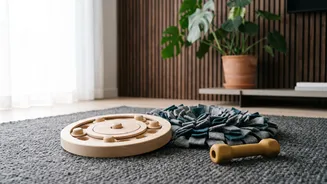
You don't need a large garden to tire out a dog. Mental work can be just as, if not more, exhausting than physical exercise. One of the best tools is your dog’s nose. Turn mealtime into a game by hiding their kibble around the house in a 'scavenger hunt'. Puzzle toys and treat-dispensing balls are also excellent for making dogs work for their food, which satisfies their natural foraging instincts. Short, fun training sessions to teach new tricks provide great mental workouts and strengthen your bond. Even a simple game of hide-and-seek or indoor fetch with soft toys can break the monotony. Rotating their toys every few days can also make old toys feel new and exciting again.
Stimulation for the Indoor Cat
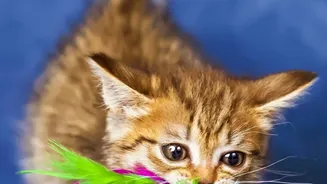
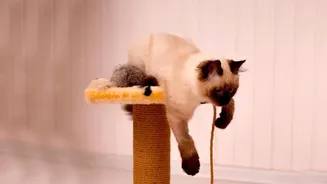
Cats are natural hunters, and indoor life can suppress these deep-seated instincts. The key to a happy indoor cat is to simulate hunting behaviour through play. Interactive wand toys that mimic the movement of birds or mice are a huge hit. Just 10-15 minutes of focused playtime twice a day can make a significant difference. Puzzle feeders are not just for dogs; they are fantastic for cats, making them 'hunt' for their food. Cats also love vertical spaces. Providing cat trees, window perches, or even just clearing a sturdy shelf gives them a place to climb and survey their territory, which builds confidence. Don't underestimate the power of a simple cardboard box or paper bag, which can provide hours of exploratory fun.
A Growing Trend in Pet Wellness
The focus on mental stimulation is not just anecdotal; it's a recognised trend in the pet care industry. The global market for dog enrichment and interactive puzzle toys is growing significantly, valued at over a billion dollars and projected to expand further. This reflects a deeper understanding among pet owners that well-being goes beyond basic needs. The 'humanization' of pets means owners are investing more in their pets' emotional and cognitive health, seeking products and strategies that reduce stress and anxiety. This shift acknowledges that a fulfilled pet is one whose mind is as active as its body.