






Leh-Ladakh: The High-Altitude Desert
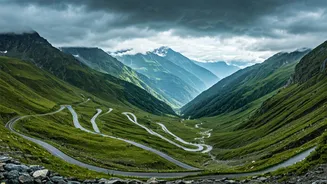
While most of India welcomes the rains, Ladakh, located in a rain-shadow zone, remains dry and brilliantly sunny. [9, 27] July is the perfect time to visit this high-altitude desert, as all the mountain passes and internal roads, including those to Pangong
Lake and Nubra Valley, are open. [9, 23] The weather is pleasant, with daytime temperatures hovering around 21-25°C in Leh, making it ideal for sightseeing, monastery visits, and adventure activities like trekking and biking. [9, 27] The skies are a stunning shade of blue, and the dramatic, stark landscapes are at their most accessible. [23] As it's peak season, expect a vibrant atmosphere with plenty of fellow travellers, but the unparalleled views and reliable weather make it a top choice for a June-July adventure. [9, 13]
Munnar, Kerala: The Emerald Tea Gardens
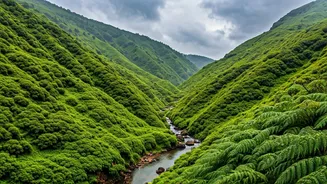
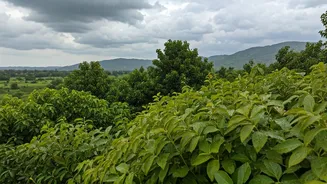
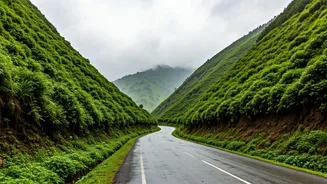
There is nothing quite like Munnar during the monsoon. The rain breathes new life into the region, turning the endless tea plantations a dazzling, fresh shade of green. [10, 26, 34] Waterfalls like Attukal and Lakkam, which are modest trickles in summer, become powerful, roaring cascades. [22, 28, 34] The air is crisp and clean, and misty clouds often drift through the valleys and tea estates, creating a romantic and ethereal atmosphere. [10, 26, 34] While heavy rain can sometimes cause travel disruptions, the showers are often intermittent. It's a perfect destination for those looking to relax, enjoy Ayurvedic treatments, and witness the Western Ghats in their full, glorious splendour. [28, 32] Plus, being the off-season, you'll find fewer crowds and more budget-friendly prices. [10]
Valley of Flowers, Uttarakhand: A Himalayan Carpet of Blooms
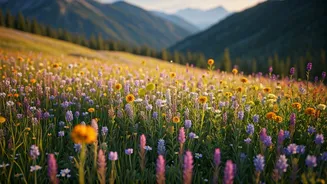
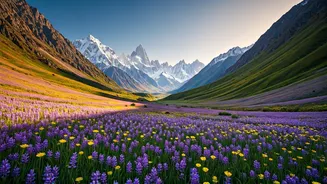
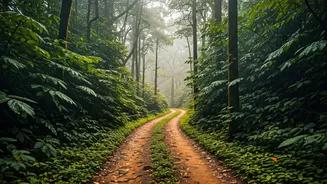
A UNESCO World Heritage Site, the Valley of Flowers National Park is a legendary monsoon trek. The valley, which remains snow-covered for most of the year, bursts into a vibrant carpet of countless flower species after the first monsoon showers. [11, 20] The best time to witness this spectacle is from mid-July to August, when the bloom is at its peak. [18, 20] You can see everything from primulas and orchids to the rare blue poppy and Brahma Kamal. [20] The trek itself, starting from Ghangaria, is a rewarding experience, with lush green landscapes and misty mountain views. [11, 12] Be prepared for rain and slippery trails, but the sight of the valley in full bloom is a once-in-a-lifetime experience for any nature lover. [21]
Udaipur, Rajasthan: The Romantic City of Lakes
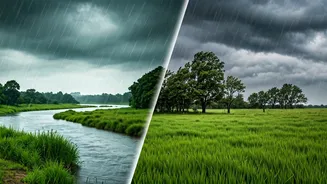
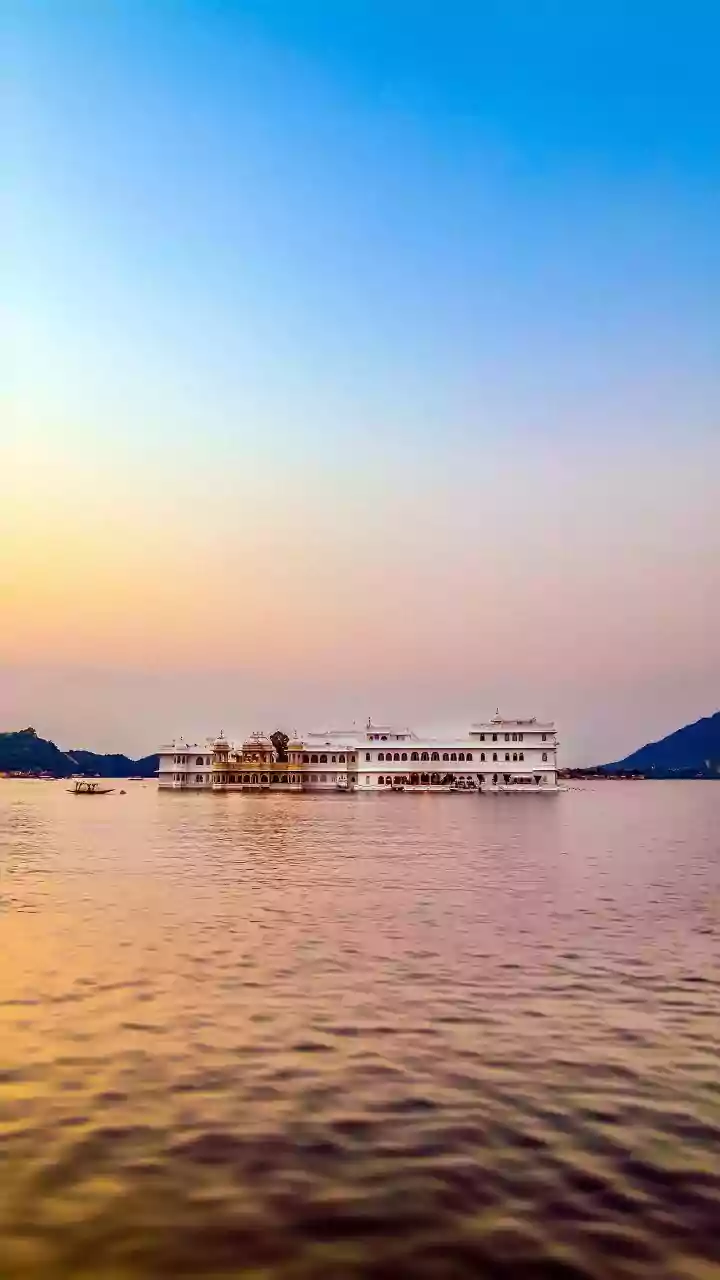
The scorching heat of Rajasthan gives way to a surprisingly pleasant and romantic atmosphere in Udaipur during the monsoon. The parched Aravalli Hills surrounding the city turn lush and green, and the city's famous lakes, like Pichola and Fateh Sagar, are replenished by the rains. [15, 25] The weather becomes comfortable, with temperatures dropping to a pleasant 23-29°C. [14, 15] It’s a wonderful time for a boat ride on a rain-kissed lake or to explore the majestic City Palace without the intense crowds of the peak winter season. [15, 16] The dramatic, overcast skies provide a stunning backdrop to the city’s white marble palaces, making it a photographer’s dream. [25]
Goa: The Quiet, Green Escape
If your idea of Goa is packed beaches and all-night parties, visiting during the monsoon will show you a completely different side of this coastal state. June and July are the off-season, meaning fewer crowds, emptier beaches, and significantly lower prices for flights and hotels. [24, 29] This is when the countryside is at its most beautiful, with paddy fields turning a vibrant green and waterfalls in the hinterlands, like Dudhsagar, coming to life. While swimming in the rough sea is not advised and many beach shacks are closed, the permanent bars and restaurants are still open. [30, 35] It’s the perfect time for a peaceful retreat, exploring spice plantations, and enjoying the relaxed Goan spirit. [29]