





The Scent of Celebration
For generations, the genda phool, or marigold, has been deeply woven into the fabric of Indian culture. Its presence is a non-negotiable part of festivities, from Diwali decorations to wedding rituals. Strings of marigolds adorn doorways and temples,
symbolising the sun's energy, purity, and prosperity. The flower's bright, auspicious hue and distinct fragrance are believed to ward off negativity, making it a constant feature in moments of joy and devotion. It’s the flower of the people, accessible and abundant, a fragrant thread connecting countless cultural and religious practices across the subcontinent.
From Garland to Garnish
The idea of eating flowers is not entirely new to India. Cuisines across the country have long used floral ingredients, from rose in desserts to banana blossoms in curries. Yet, the marigold is making a contemporary splash. Chefs and adventurous home cooks are now looking beyond its decorative role and exploring its culinary possibilities. The petals, which carry a mildly citrusy and peppery flavour, are being reimagined as a food ingredient. This shift is part of a broader trend in modern Indian cuisine, which seeks to innovate while staying connected to traditional ingredients. It’s about seeing the familiar with fresh eyes—and a curious palate.
A Plate Full of Sunshine
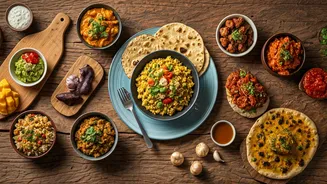
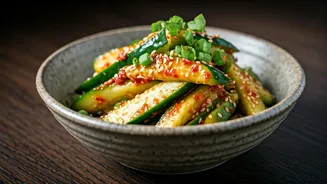
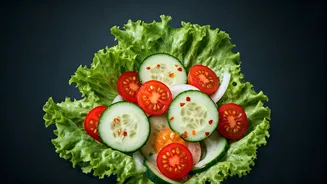
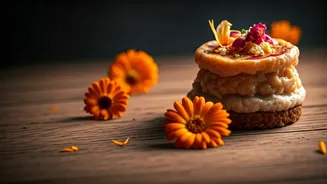
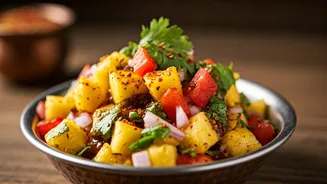
So, what does this food twist look like on a plate? The applications are surprisingly versatile. Marigold petals are being tossed into fresh salads to add a pop of colour and a tangy note. They are being infused into rice dishes, lending a subtle fragrance and a beautiful golden hue. Creative cooks are also using them in soups, tea cakes, and even refreshing beverages like lemonade. Some chefs use the petals to create vibrant, naturally coloured sauces or infuse them into oils and butters for a delicate, floral flavour. This culinary use is not just for aesthetics; the flower contains antioxidants and is being explored for its nutritional benefits.
A Word of Caution
Before you start plucking flowers from your garden for your next meal, a crucial point of safety must be addressed. Not all marigolds are created equal, and many ornamental varieties sold for decorative purposes are treated with pesticides not meant for human consumption. It is essential to use only edible-grade, organically grown marigolds specifically intended for culinary use. There are specific varieties, like the Signet marigold, that are prized for their flavour. Always source your edible flowers from a reputable supplier to ensure they are safe to eat. The green base of the petals can also be bitter and is best removed before cooking.
A Trend with Deep Roots
The marigold's entry into the kitchen is more than just a fleeting trend; it’s a reflection of a deeper culinary movement. As interest in sustainable and local ingredients grows, chefs are finding inspiration in their own backyards. Using a flower that is so culturally significant feels both innovative and deeply rooted. It’s a way of celebrating heritage while pushing creative boundaries. While some may know marigold by its other name, Calendula, and its use in herbal remedies, its emergence as a mainstream food ingredient is a recent phenomenon. This journey from prayer to plate signifies a beautiful evolution in how we perceive and use the natural bounty around us, turning a symbol of celebration into a celebration of flavour itself.