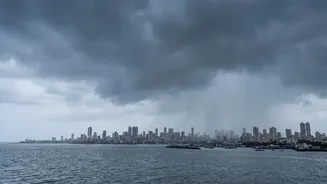






The Current Situation: A Tale of Two Monsoons
After a terrifyingly dry June that saw water stocks in the seven lakes supplying Mumbai dip to alarming single-digit lows, a vigorous July brought torrential rain and relief. However, August has been unusually subdued. Forecasts that predicted a weak
second half of the monsoon season are proving accurate. While the city isn't in an immediate crisis, with lake levels at a comfortable 95.84% as of August 27, the current dry period serves as a potent reminder of the monsoon's volatility. This figure is slightly below the same period in 2025 but higher than in 2024, showing a year-on-year fluctuation that keeps civic authorities on edge. The Brihanmumbai Municipal Corporation (BMC) has cautiously kept a 10% water cut in place, a measure born from the early-season deficit, underscoring the official anxiety about the rest of the season.
The Science of a 'Break' Monsoon
What Mumbaikars are experiencing is what meteorologists call a 'break' in the monsoon. This occurs when the monsoon trough, a low-pressure belt that is a key driver of rainfall, shifts north to the Himalayan foothills. This pulls the rain away from central and western India. While these breaks are a natural part of the monsoon cycle, their duration and frequency are becoming subjects of intense study. The India Meteorological Department (IMD) had already indicated that August and September could see below-normal rainfall, partly due to a strengthening El Niño phenomenon in the Pacific Ocean, which is historically linked to weaker monsoons in India. This year, India is on track for its weakest monsoon in nearly two decades, which has broader implications for the entire country.
The Dam Truth: A City's Lifeline
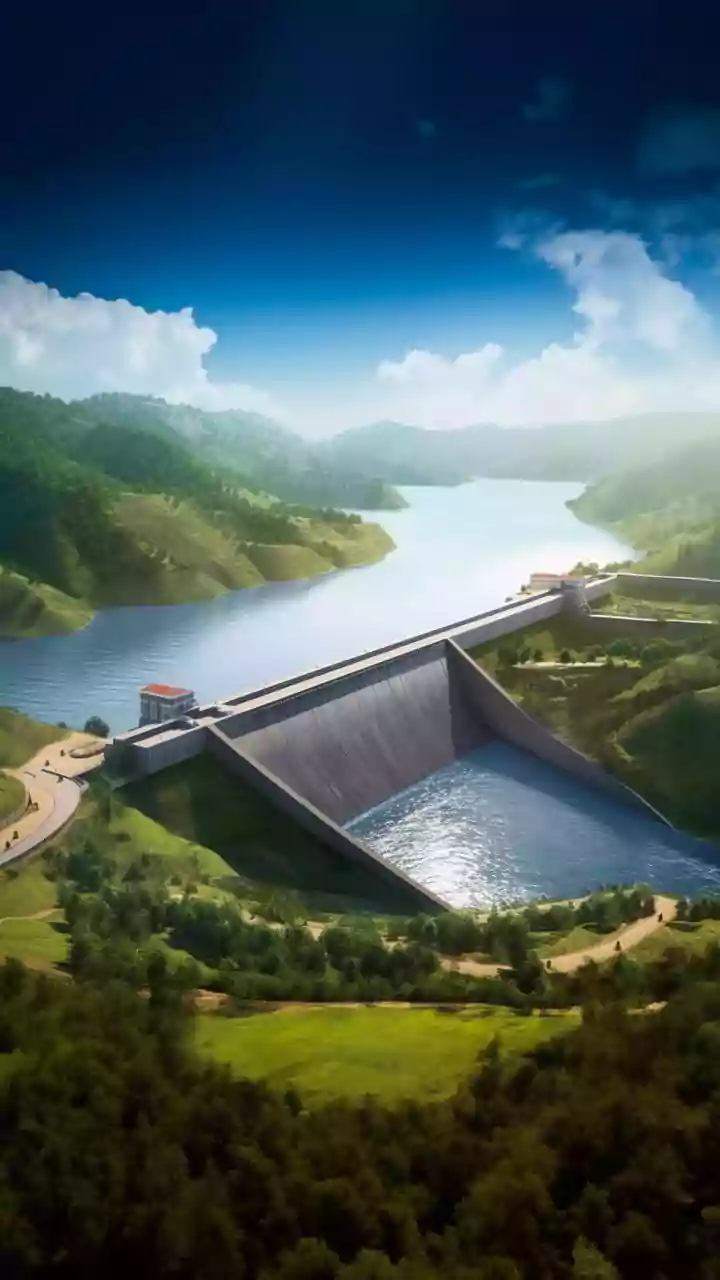
Mumbai's water security hinges entirely on the performance of the monsoon. The city is supplied by seven reservoirs—Bhatsa, Upper Vaitarna, Middle Vaitarna, Tansa, Modak Sagar, Vihar, and Tulsi—which are designed to be filled between June and September. As of late August, the collective water stock is healthy, standing at over 13.87 lakh million litres. Vihar lake is 100% full, and Modak Sagar is at 99.99%. However, the largest reservoir, Bhatsa, is at 95.91%, and Upper Vaitarna is at 89.76%, showing that there is still room and need for more rain before the season ends. The memory of June, when total stock fell below 9%, is still fresh and demonstrates how quickly a delayed or weak monsoon can push the city towards a severe water crisis.
Climate Change's Heavy Hand
While the monsoon has always been variable, climate change is amplifying its unpredictability. Scientific consensus suggests global warming is making the Indian monsoon more erratic. Studies indicate that for every degree Celsius of warming, monsoon rainfalls could increase by about 5%, but this doesn't mean evenly distributed rain. Instead, the pattern is becoming one of long dry spells punctuated by short, intense bursts of extreme rainfall. This chaotic cycle challenges everything from agriculture to urban planning. A city like Mumbai might have to contend with flooding one month and the threat of water cuts the next. This new reality requires a fundamental shift in how we manage water, moving from hoping for good rains to building resilience for a more volatile future.
Beyond a Thirsty City: The Bigger Picture
Mumbai's situation is a microcosm of a nationwide challenge. The monsoon is the lifeblood of India's agriculture-dependent economy, providing about 70% of the country's annual rainfall. A weak monsoon can reduce crop yields, increase food prices, and impact rural incomes. The current country-wide deficit is a cause for concern, particularly for Kharif crops. The increasing unpredictability means that cities can no longer rely solely on rain-fed reservoirs. This has intensified discussions around long-term solutions like wastewater treatment and reuse, and the desilting of existing reservoirs to increase their storage capacity. The dry spell in Mumbai is more than just a weather event; it's a critical stress test of the city's infrastructure and a warning about the urgent need for climate adaptation.