



Why Smog Irritates Your Throat
Air pollution, especially the infamous smog that blankets many Indian cities, is a cocktail of harmful pollutants. The biggest culprits are tiny particulate matter known as PM2.5, along with gases like nitrogen dioxide and ozone. These microscopic particles
and gases act like sandpaper on the sensitive lining of your throat, causing direct physical irritation, inflammation, and dryness. Your body's immune system reacts to these pollutants as foreign invaders, triggering redness, swelling, and that all-too-familiar soreness. This constant irritation can also weaken your throat's natural defences, making you more vulnerable to bacterial and viral infections.
Effective Home Remedies for Relief
For a mild, scratchy throat caused by a high AQI day, several home remedies can provide comfort and relief. Staying well-hydrated is key; drink plenty of warm water, herbal teas, or broths throughout the day to keep your throat moist. A classic and effective remedy is gargling with warm salt water (about half a teaspoon of salt in a glass of warm water) several times a day to reduce swelling and soothe irritation. Honey is another powerful tool, known for its natural antibacterial and soothing properties. A spoonful of honey on its own or mixed into a cup of warm lemon or ginger tea can coat the throat and calm irritation. Using a humidifier or taking a steam inhalation can also help by adding moisture to the air and your airways, relieving dryness.
Lifestyle Adjustments to Minimise Exposure
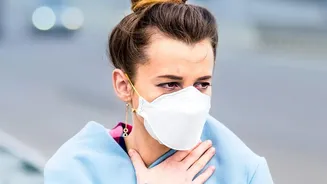
Beyond immediate remedies, small changes in your daily routine can make a big difference. Pay close attention to the daily Air Quality Index (AQI). On days when pollution is high, it is best to limit your time outdoors, especially avoiding strenuous exercise like running or cycling. If you must go out, wear a well-fitting N95 or FFP2 mask, which is effective at filtering out harmful PM2.5 particles. Indoors, consider investing in an air purifier with a HEPA filter to create a clean air sanctuary in your home. It's also wise to keep windows closed during peak pollution hours. Simple actions like resting your voice and avoiding irritants like smoke can also give your throat a chance to heal.
Red Flags: When to See a Doctor
While home care is sufficient for mild irritation, it is vital not to dismiss persistent symptoms. A sore throat from pollution should generally improve with reduced exposure, but you must seek medical advice if it lingers for more than a week. Other definite red flags that require a doctor's assessment include a high fever, severe difficulty or pain when swallowing, and visible white spots on your tonsils, which could indicate a bacterial infection like strep throat. If your sore throat is accompanied by wheezing, shortness of breath, chest pain, a skin rash, or if you feel unusually fatigued, it is important to get a professional diagnosis. Do not assume pollution is the only cause, as these could be signs of a more serious infection or underlying condition.
What to Expect from a Medical Assessment
Visiting a doctor for a persistent sore throat helps rule out more serious issues. The doctor will likely examine your throat and ask about your symptoms and exposure to pollutants. They may perform a quick swab test to check for bacterial infections such as strep throat, which would require antibiotics to treat. If an infection is ruled out, they might diagnose it as severe irritation from pollution and could prescribe anti-inflammatory medications or specific anesthetic gargles to manage the pain. For those with pre-existing conditions like asthma, a doctor can adjust your management plan to better cope with the smog season. A professional assessment provides peace of mind and ensures you receive the correct treatment, preventing potential complications from developing.