







The Invisible Contaminant
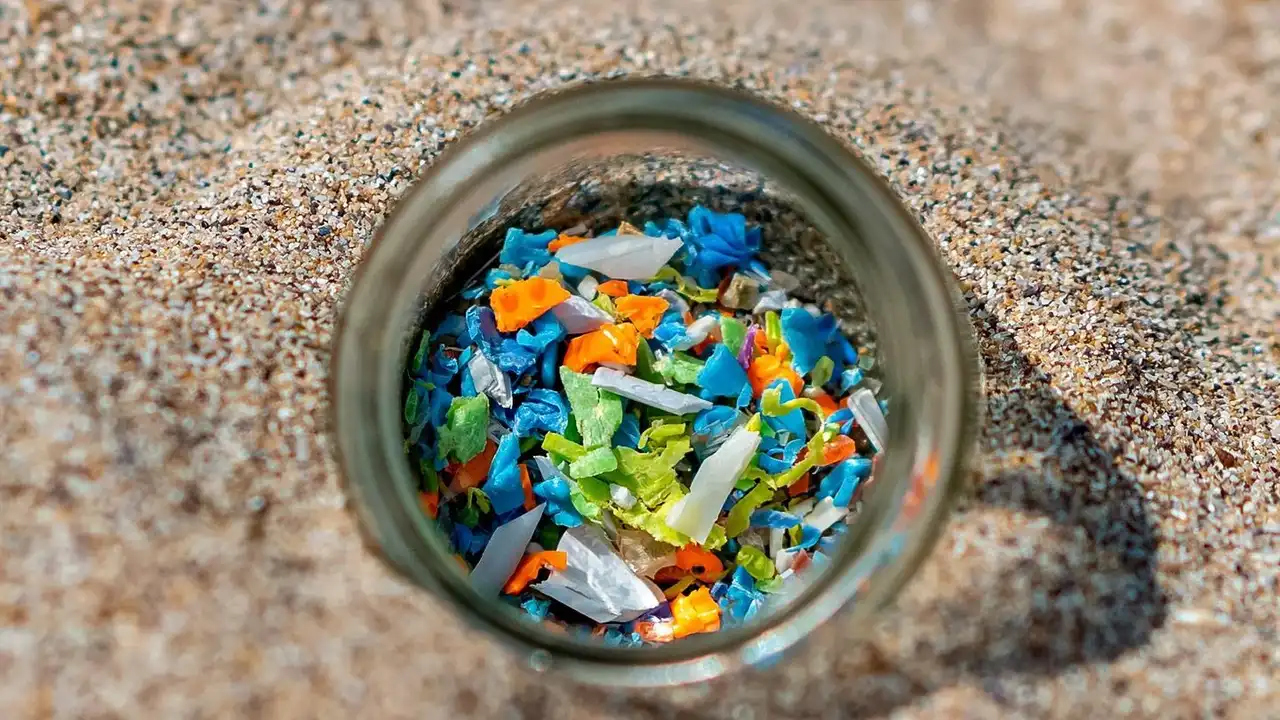
Microplastics are plastic fragments less than five millimetres long, born from the breakdown of larger plastic items like bottles, bags, and packaging that litter our environment. They also come from synthetic clothing fibres washed down the drain and even
microbeads intentionally added to cosmetic products. Because plastic never truly biodegrades, it just breaks down into smaller and smaller pieces, which then find their way into every corner of the planet, from Arctic ice to the deepest oceans. This widespread pollution is not just an environmental issue; it has become a human one, as these particles have been found throughout our bodies, from our blood and lungs to placental tissue.
From Oceans to Our Plates
The primary way microplastics enter our bodies is through ingestion. The pathway often begins in the ocean, where fish and shellfish mistake the tiny particles for food. When we consume seafood like mussels, oysters, and fish, we can ingest the plastics they have accumulated. But the contamination is not limited to seafood. Research has detected microplastics in a surprising array of everyday items, including sea salt, honey, beer, and even fruits and vegetables. This happens because agricultural soil becomes contaminated through plastic mulch, contaminated irrigation water, and the use of sewage sludge as fertiliser. Plants can absorb these tiny particles through their roots, introducing them into terrestrial food chains. Bottled water has also been identified as a significant source of microplastic consumption.
The Pressing Health Questions
The core reason for the intense global research focus is the long list of unanswered questions about how microplastics affect human health. While we excrete a large portion of the plastics we ingest, the smallest particles can potentially penetrate tissues and enter our organs. Animal and cellular studies have linked exposure to a range of alarming biological changes, including inflammation, cell damage, oxidative stress, and disruptions to the immune and reproductive systems. There's also concern that these plastics act as Trojan horses, carrying harmful chemical additives like BPAs and environmental pollutants such as heavy metals directly into our bodies. Researchers are exploring potential links to serious conditions like cancer, inflammatory bowel disease, and vascular issues, though direct causal evidence in humans is still limited.
Why the Science Is So Challenging
Proving that microplastic exposure directly causes disease in humans is incredibly difficult. For one, these particles are ubiquitous, making it almost impossible to find a control group of people who have not been exposed. Furthermore, plastics are not one single substance; there are thousands of different polymers and over 10,000 chemicals used in their production, many of which have not been assessed for safety. This diversity makes it hard to pinpoint which types, shapes, or sizes of plastic might be the most harmful. Another major hurdle is the risk of contamination in the lab itself, as many scientific instruments are made of plastic. To move forward, scientists are pushing for standardized methods for detecting and quantifying microplastics to ensure that data from different studies around the world can be reliably compared.
A Coordinated Global Effort
The sheer scale of contamination and the gravity of the potential health risks have elevated this issue to a global priority. Public awareness and concern are growing, which in turn pressures governments and scientific bodies to act. Major research initiatives are now underway in the EU and elsewhere to fill the significant data gaps, particularly concerning the effects of the smallest particles, known as nanoplastics. The ultimate goal is to generate robust data that can inform public health policies, guide risk assessments, and potentially lead to regulations on plastic production and pollution. This research isn't just about identifying a problem; it's about building the evidence base needed to protect human health from a silent, widespread, and persistent pollutant.