







Why Visit Stepwells at Night?
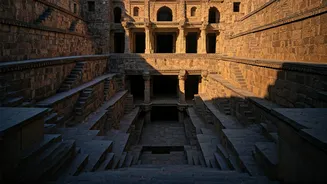
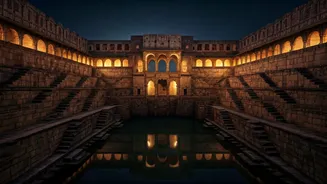
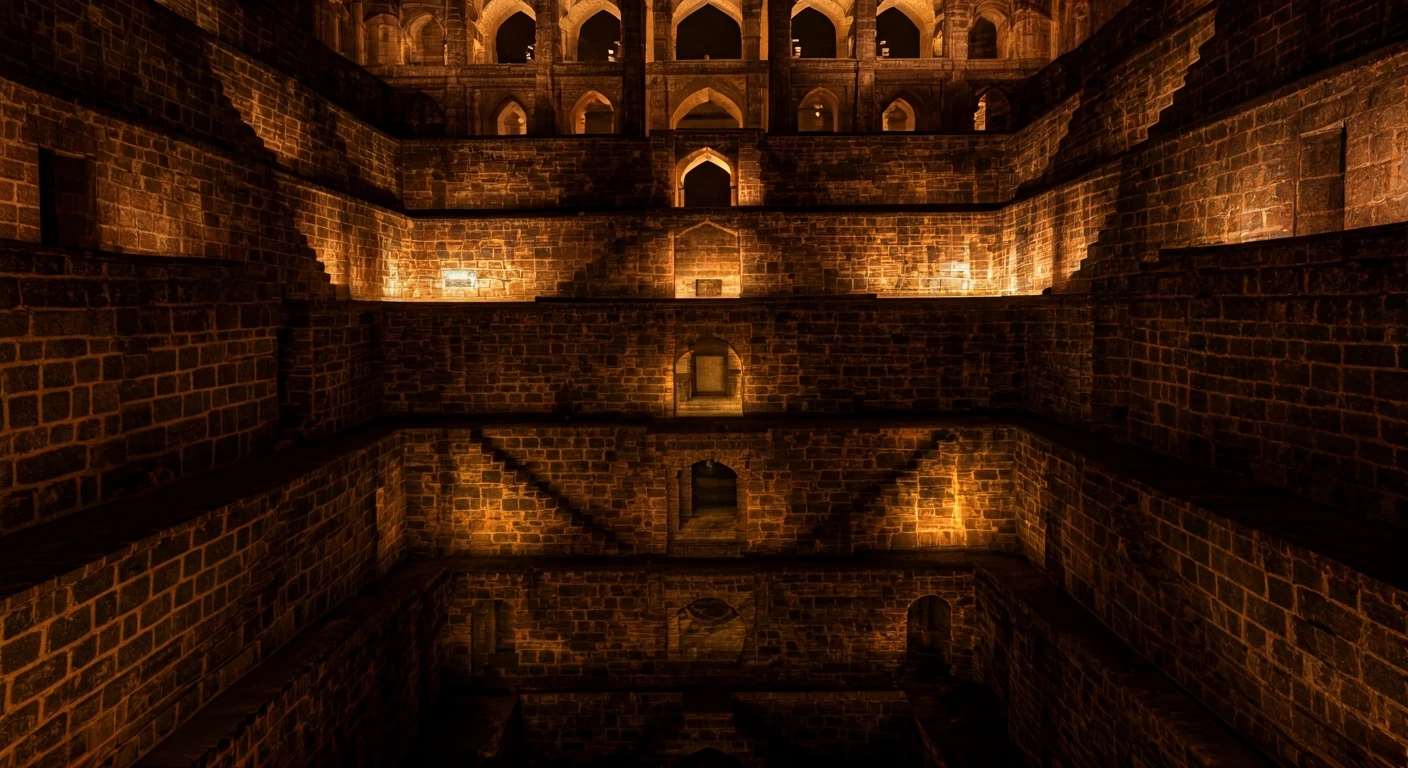
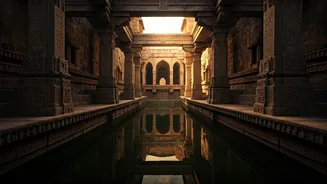
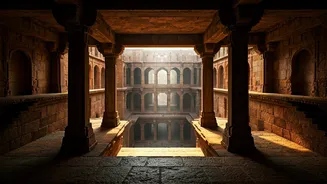
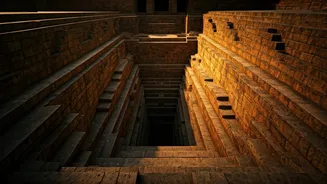
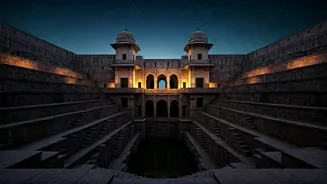
Stepwells, or 'baoris' and 'vavs', are more than just ancient water sources; they are architectural marvels designed as subterranean retreats. During the day, they are fascinating historical sites. But as dusk falls, they transform. The sharp, geometric
patterns cast long, dramatic shadows. The silence, broken only by the hum of the night, allows you to connect with the history of these structures on a deeper level. A night road trip adds a layer of adventure, turning a simple visit into a memorable expedition to witness these wonders when they are at their most atmospheric—bathed in moonlight or the soft glow of dawn.
Chand Baori, Abhaneri, Rajasthan
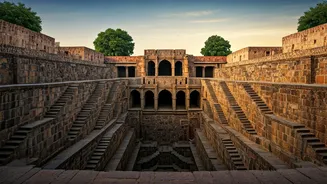
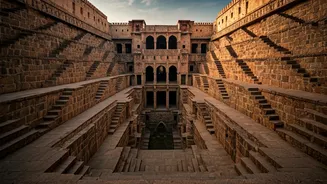
Located about 95 km from Jaipur, Chand Baori is one of the most visually stunning stepwells in the world. Its 3,500 narrow steps descend 13 storeys in a perfect symmetrical pattern, creating a dizzying, hypnotic effect. While the site itself is fenced and closes to visitors in the evening, the journey is the reward. Plan a road trip to arrive at the crack of dawn. Seeing the first rays of sun strike the intricate geometry is a photographer's dream and a truly spiritual experience. The sheer scale of the structure, witnessed in the quiet morning hours before the crowds arrive, makes the night drive completely worthwhile. The nearby village of Abhaneri is quiet, and the stepwell's presence dominates the landscape, giving you a powerful sense of its historical importance.
Adalaj ni Vav, Adalaj, Gujarat
Just a short drive from Ahmedabad, Adalaj ni Vav is an exquisite example of Solanki architecture. Unlike the stark geometry of Chand Baori, Adalaj is famed for its ornate carvings and five levels of intricate platforms and galleries. Built in 1498, it served as both a spiritual and utilitarian space. Its location near a major city makes it more accessible for an evening visit. The vav is situated in a garden that is often lit, allowing you to appreciate its grandeur after sunset. The sandstone pillars and detailed carvings of deities, dancers, and daily life take on a mysterious quality in the soft, artificial light. Peering down into the octagonal shaft from the entrance as darkness falls is an unforgettable experience, blending ancient artistry with the quiet of the night.
Rani ki Vav, Patan, Gujarat
A UNESCO World Heritage Site, Rani ki Vav (the Queen's Stepwell) is the undisputed queen of them all. Located on the banks of the Saraswati River in Patan, it’s designed as an inverted temple, with seven levels of stairs adorned with over 500 major sculptures and a thousand minor ones. Getting here requires a dedicated road trip, about 130 km from Ahmedabad. As a protected monument, direct entry is restricted after hours. However, the goal of a night trip is to experience the site at its most serene. Arrive late in the evening to explore the surrounding town of Patan, known for its Patola sarees, and then visit the vav first thing in the morning. The sheer artistic density, before the heat and crowds of the day set in, allows you to absorb the incredible detail and storytelling carved into every surface.
Planning Your Night Trip Safely
An adventurous trip requires smart planning. First, confirm the visiting hours. Many ASI-protected sites have strict timings. For these, aim to be the first to arrive at dawn or the last to leave at dusk. For more accessible stepwells located within villages or city parks, evening visits are more feasible. Always travel in a group and inform someone of your itinerary. Carry powerful torches, a first-aid kit, and water. Respect the heritage site; do not climb on fragile structures or leave any trash behind. Hiring a local guide can not only provide historical context but also add a layer of security and local know-how.