








A Medical Device Becomes a Wellness Gadget
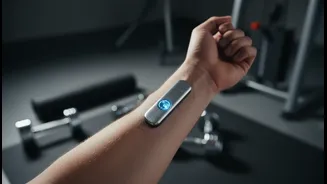
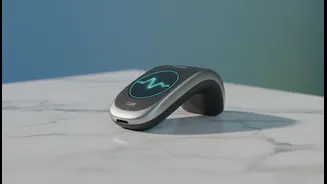
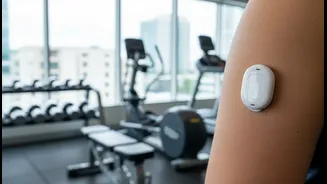
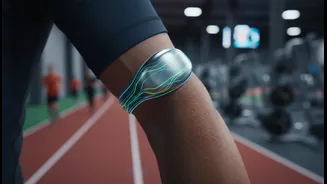
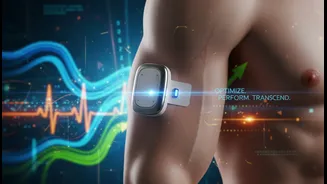
Continuous glucose monitors, or CGMs, are small wearable sensors that track your glucose (sugar) levels in real time, sending the data directly to an app. Traditionally used by people with diabetes to manage their condition, these devices are now being
adopted by a new audience: health-conscious individuals without diabetes. Driven by a desire for self-optimisation and a familiarity with technology, many young people in urban centres are turning to CGMs as part of a growing 'biohacking' movement. This trend is about using personal data to make more informed lifestyle choices, moving beyond generic health advice to see exactly how their own bodies respond to food, exercise, and sleep.
The Sugary Truth Behind Fitness Drinks
Commercial fitness and sports drinks are marketed as the ideal companions for an active lifestyle, promising hydration, electrolytes, and sustained energy. However, many of these popular beverages contain high amounts of added sugar. A single standard bottle can contain more than the recommended daily maximum for added sugar. These drinks are classified as high on the glycemic index, meaning they can cause a rapid spike in blood glucose levels. While this can be useful for elite athletes during prolonged, intense exercise, for the average person having a casual workout or just drinking one during the day, this sugar rush is often unnecessary and can contribute to health issues over time.
The 'Audit' in Real Time
This is where the CGM comes in. When someone wearing a monitor consumes a sugary fitness drink, they can see the effect almost immediately on their smartphone. The data often reveals a sharp spike in blood glucose, sometimes followed by a subsequent crash. This real-time feedback provides a powerful, personalised insight that marketing slogans cannot counter. For many young users, seeing a graph of their own blood sugar surging after a supposedly 'healthy' drink is a revelatory moment. This data doesn't just inform; it motivates a change in behaviour. Influencers and everyday users alike have begun sharing their CGM graphs on social media, creating a public record of how different products impact metabolic health.
Empowerment Through Data
This trend represents a significant shift in consumer power. Instead of relying on brand claims, a tech-savvy generation is conducting its own citizen science. The CGM acts as a personal truth detector, cutting through the noise of health marketing. This individual auditing is leading to a broader conversation about transparency and what 'healthy' really means. It's pushing people toward cleaner alternatives with less sugar, like water, unsweetened coconut water, or specific 'zero sugar' formulations. As the market for CGMs for non-diabetics grows in India, this level of scrutiny is only expected to increase. Brands that have relied on health-oriented branding without delivering genuinely healthy products may find themselves losing the trust of this discerning, data-driven demographic.