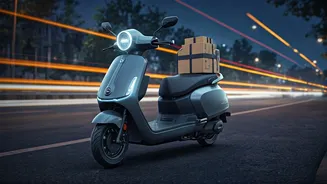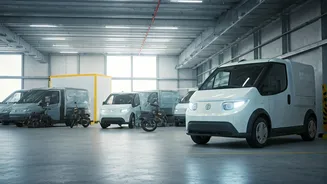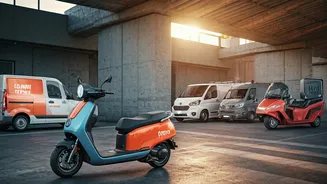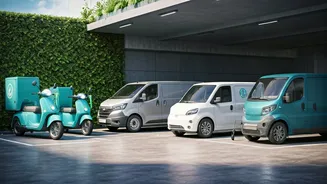





The Economic Engine: Why Electrification Makes Sense
The primary driver for this shift isn't just environmental consciousness; it's pure economics. For delivery fleets that clock high mileage every day, the total cost of ownership (TCO) is paramount. While the initial purchase price of an electric vehicle
(EV) can be higher than its internal combustion engine (ICE) counterpart, the running costs are significantly lower. Electricity is substantially cheaper per kilometer than petrol or diesel, with some estimates suggesting a 40-60% reduction in operating costs. Add to that the reduced maintenance needs of EVs, which have fewer moving parts than traditional engines, and the financial case becomes compelling. For a business where every paisa counts, these savings multiply quickly across a fleet of hundreds or thousands of vehicles, often leading to a payback period of within two years.
The Green Mission of E-commerce Giants
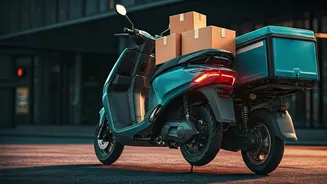
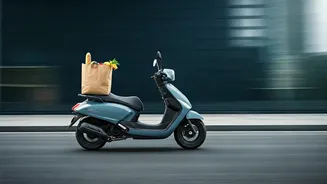
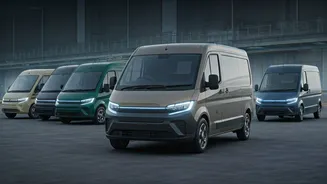
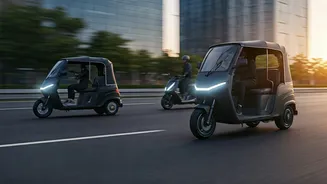
India's largest e-commerce and logistics players are leading this charge. Companies like Flipkart, Amazon, Zomato, and Swiggy have made public commitments to electrify their last-mile delivery fleets. For instance, Amazon surpassed its goal of deploying 10,000 EVs in its Indian delivery fleet more than a year ahead of schedule and now has them operating in over 500 cities. Similarly, Flipkart has deployed thousands of EVs and is committed to 100% electrification of its last-mile fleet by 2030. This isn't just happening with two-wheelers; major logistics players like Delhivery are also integrating electric three- and four-wheelers into their networks for urban deliveries. This commercial sector adoption is seen as crucial for India to meet its ambitious 2030 EV targets, which aim for 70% of commercial vehicles to be electric.
More Than Just Good PR
While lower operating costs are the main incentive, other factors are accelerating this trend. Strong government support, through schemes like FAME (Faster Adoption and Manufacturing of Electric Vehicles) and its successors, has provided crucial subsidies and tax benefits that reduce the upfront financial burden. GST on EVs is lower (5%) compared to ICE vehicles, and many states offer road tax waivers. Furthermore, as consumers and investors become more environmentally aware, a visible commitment to sustainability enhances brand reputation. Adopting EVs helps companies meet their Environmental, Social, and Governance (ESG) goals and market themselves as a green, responsible brand—a powerful differentiator in a competitive market.
An Ecosystem Springs to Life
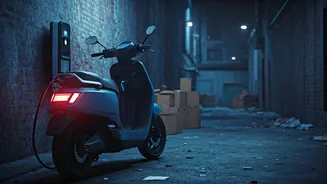
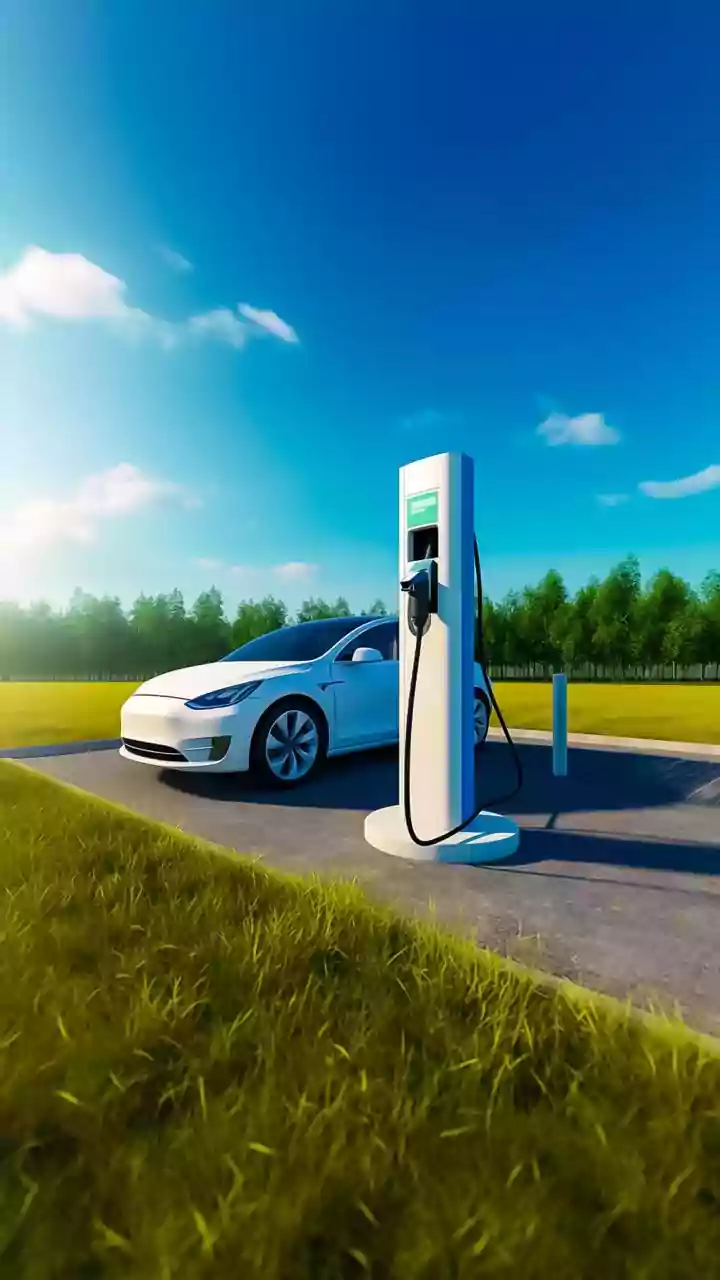
The delivery fleet boom is nurturing a wider ecosystem of innovation. A significant hurdle for commercial vehicles, which cannot afford long downtimes, is charging time. This has given rise to a booming battery-swapping industry, with startups like Battery Smart and Sun Mobility establishing thousands of kiosks. These stations allow a rider to swap a depleted battery for a fully charged one in minutes, eliminating range anxiety and maximizing time on the road. This "Battery-as-a-Service" (BaaS) model also lowers the vehicle's upfront cost, as the battery—the most expensive component—can be leased instead of owned. By 2026, India has nearly 100 firms in the battery-swapping space.
Roadblocks and Reality Checks
Despite the momentum, the path to full electrification is not without its bumps. The most significant challenge remains the charging infrastructure, which is still lacking, especially outside of major metropolitan areas. For fleet operators, managing charging schedules, vehicle downtime, and route planning for EVs requires a new operational mindset compared to simply refueling a diesel vehicle. Other issues include the availability of financing for drivers and small operators, the need for a skilled workforce for EV maintenance, and concerns about battery performance and longevity. Moving beyond the last-mile to electrify the middle-mile (hub-to-hub transport) presents an even bigger, though crucial, challenge.