


The New Definition of Urban Luxury
Across India’s bustling metros, from Mumbai to Bengaluru, the average apartment size has been shrinking. Yet, aspirations have only grown. This paradox is fueling a major shift in interior design, where luxury is no longer measured in square feet but
in the intelligence of the design. Homeowners are increasingly prioritising prime locations and quality of life over sheer space. The new status symbol isn't a massive, hard-to-maintain house, but a thoughtfully designed home where every inch serves a purpose. This trend, driven by millennials and young professionals, values experiences over possessions and efficiency over excess. It’s a move away from homes designed to impress guests towards spaces that provide genuine comfort and calm to their residents.
The Magic of Multifunctional Furniture
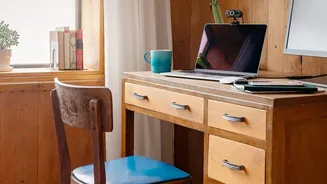
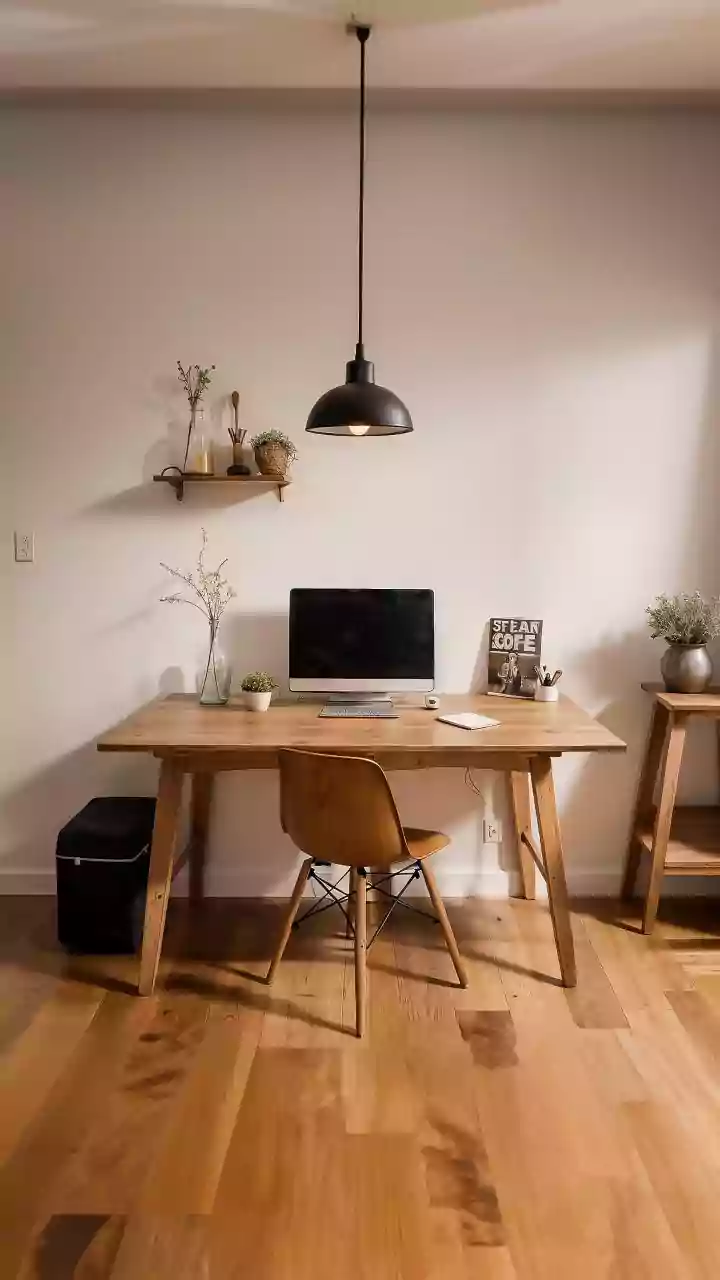
The hero of the small luxury home is undoubtedly multifunctional furniture. In a compact 2BHK that needs to serve as a home office, family room, and guest space, every piece must earn its place. Designers are integrating clever solutions that transform rooms in seconds. Think of a stylish wall unit that hides a fold-down bed, converting a living room into a guest bedroom at night. Or consider a sleek console table that expands to a six-seater dining table, perfect for festive gatherings. Other popular choices include coffee tables with hidden storage, ottomans that open up to store linens, and sofa-cum-beds that are both stylish and practical. By investing in a few high-quality, dual-purpose pieces, homeowners can avoid clutter and free up precious floor space, making rooms feel more open and versatile.
Playing with Light, Layout, and Illusion
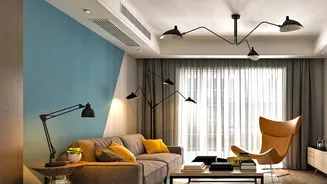
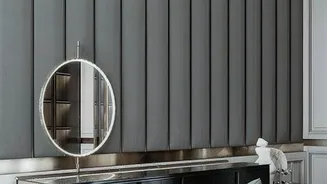
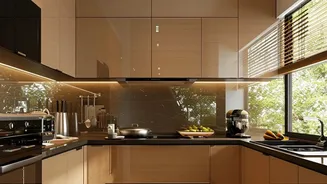
Smarter space planning goes beyond furniture. Professional designers use a range of techniques to create an illusion of spaciousness. One of the most effective strategies is optimising natural light. Using light colour palettes—whites, beiges, and soft pastels—on walls and ceilings can make a room feel instantly larger and more airy. Strategically placed mirrors are another powerful tool; a large mirror can visually double the size of a room, especially when positioned to reflect a window or a light source. In terms of layout, many are choosing to knock down non-essential walls to create open-plan living and dining areas. This enhances the sense of flow and light. Where division is necessary, designers use glass partitions or even strategically placed rugs and lighting to 'zone' a space without closing it off.
Storage as a Seamless Design Element
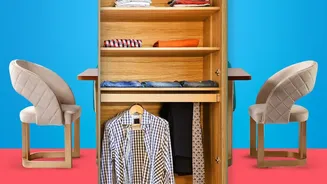
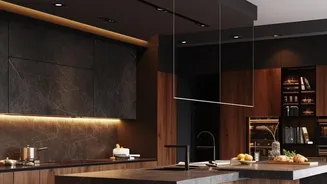
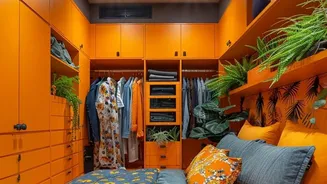
Clutter is the enemy of luxury, and in a small home, it builds up fast. The modern approach treats storage not as an afterthought, but as an integrated part of the design. The key is to go vertical. Floor-to-ceiling wardrobes that blend into the wall, painted the same colour, provide immense storage without visually shrinking the room. Modular, built-in units are particularly effective as they can be tailored to fit awkward corners, nooks, and niches, ensuring no space is wasted. Under-bed storage with hydraulic lifts, sleek wall-mounted shelves, and custom cabinetry around door frames or windows are other clever ways to keep clutter at bay. The goal is to create a clean, organised environment where there is a place for everything, allowing the beauty of the design to shine through.
The Finishing Touches: Texture and Quality
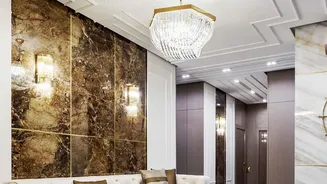
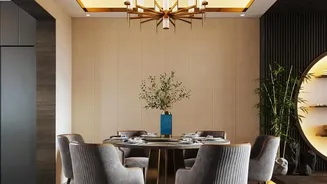
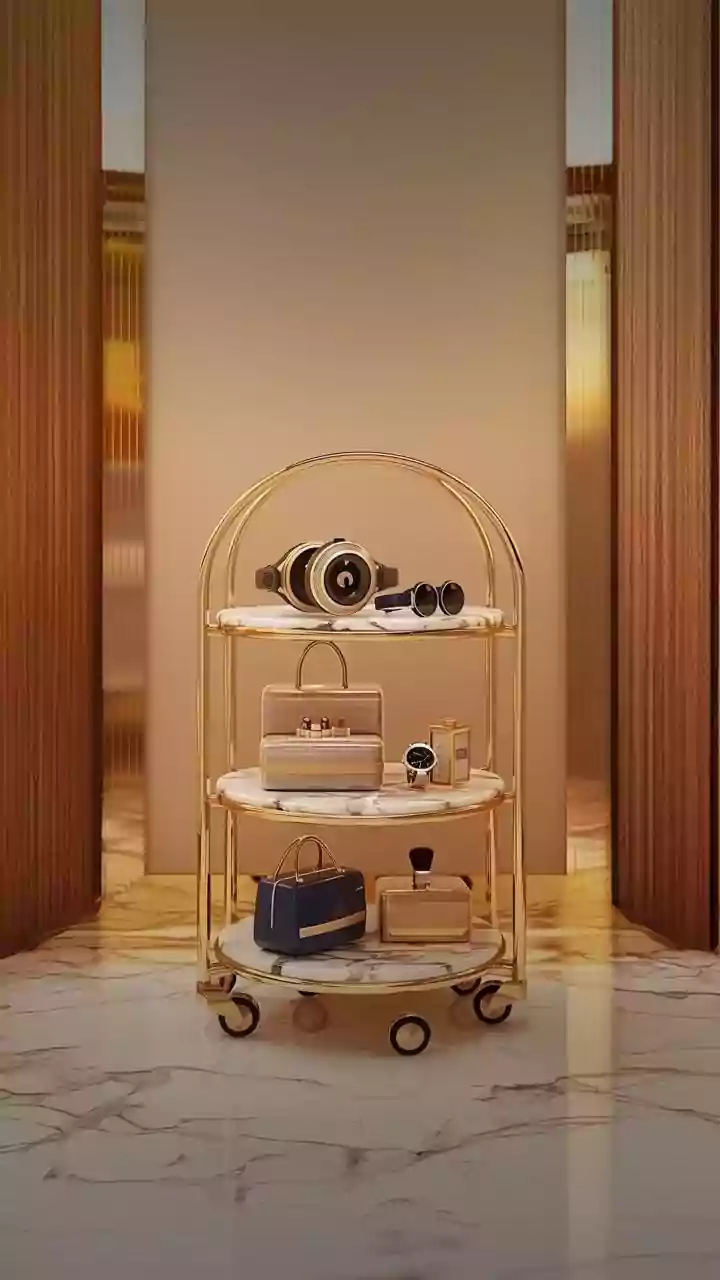
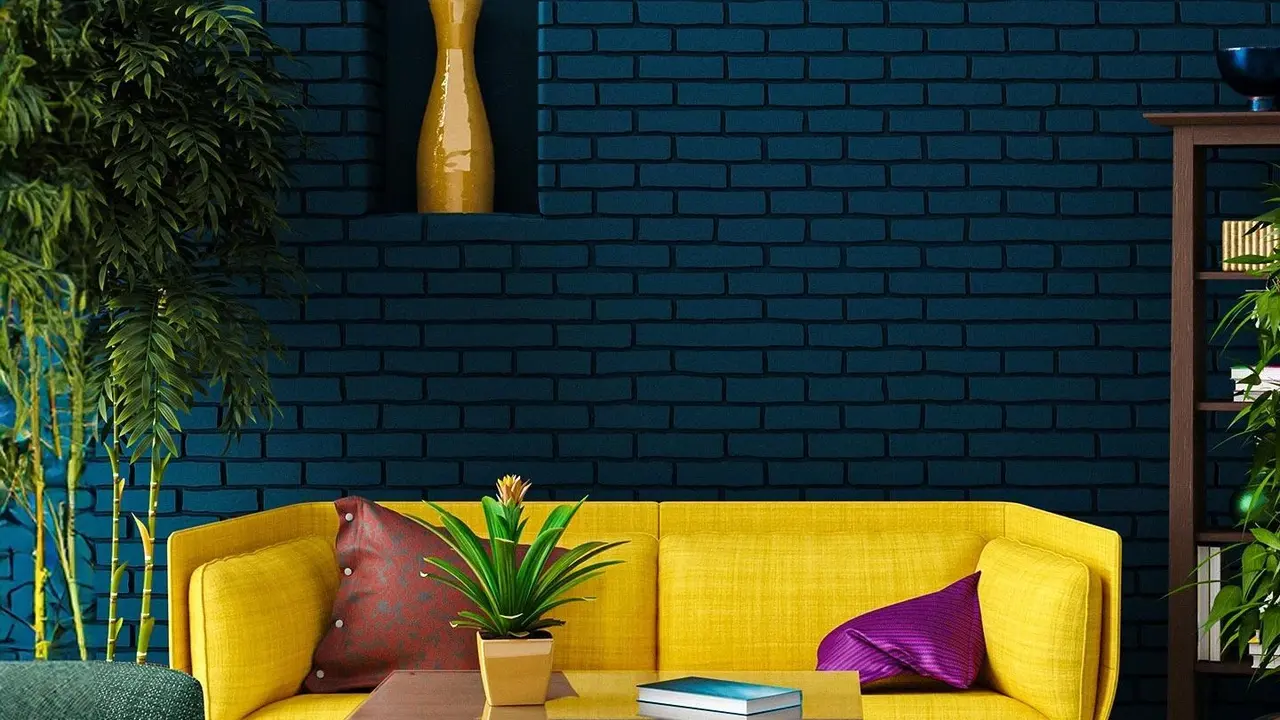
Finally, the luxury element in a small home is often delivered through the quality of materials and finishes. With less surface area to cover, homeowners can afford to invest in higher-quality materials that add a touch of sophistication. This is part of the 'quiet luxury' trend, which focuses on substance over spectacle. Think about a single wall adorned with beautiful textured wallpaper, a plush velvet sofa, or the warmth of polished wood finishes on a custom cabinet. These elements add depth and character without creating visual noise. Rather than filling the space with many small decorative items, the focus is on a few statement pieces—a beautiful piece of art, a designer lamp, or elegant planters—that add personality and draw the eye. It's about creating a space that feels rich and layered, not just full.