






The New Himalayan Office
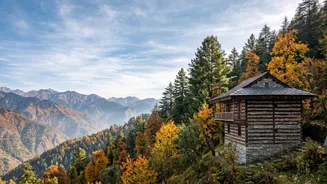
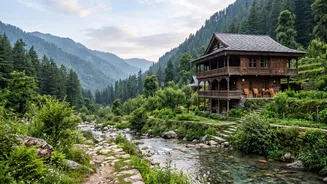
Imagine starting your workday not with traffic jams and crowded metros, but with a panoramic view of deodar forests and the crisp mountain air of an alpine autumn. This is the promise of a 'workation', a blend of work and vacation that has moved from
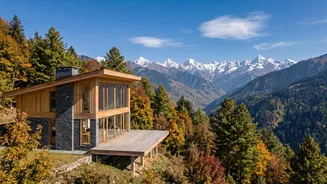
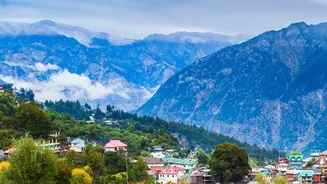
a niche concept to a mainstream trend. As companies across India embrace flexible work policies, professionals are looking beyond their city apartments for a more inspiring office. Destinations like Jibhi in the Tirthan Valley and the heritage village of Naggar near Manali have emerged as prime candidates. Traditionally known for seasonal tourism, these towns are now attracting a new demographic: the long-stay remote worker looking for peace, productivity, and a change of scenery. The autumn months, from September to November, are particularly appealing, offering clear skies, pleasant weather, and golden foliage, creating a perfect backdrop for focused work and weekend exploration.
The Connectivity Game-Changer
For years, the biggest barrier to working from the mountains was unreliable internet. Patchy mobile data and non-existent broadband made video calls and large file transfers a stressful gamble. That has fundamentally changed. The arrival of fiber broadband services, including JioFiber and local providers like Shachwal Net, has been a revolution for these remote economies. While not yet universal, many homestays, cafes, and dedicated coworking spaces in Jibhi and Naggar now offer stable Wi-Fi with speeds often ranging from 30 to 100 Mbps. This is more than enough for video conferences, cloud-based collaboration, and streaming. Potential workationers are advised to confirm the type of connection before booking, as a dedicated fiber line is far more reliable than a shared mobile hotspot. Furthermore, the rollout of 5G in many parts of Himachal provides a solid backup, ensuring that a power cut doesn't necessarily mean a dropped connection, especially at properties with power inverters.
Why Jibhi and Naggar?
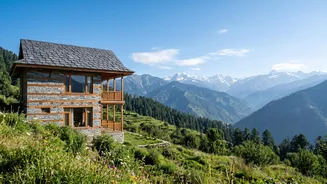
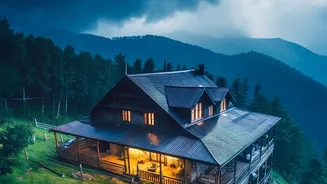
While destinations like Dharamkot and Manali have become established digital nomad hubs, Jibhi and Naggar offer a quieter, more nature-focused experience. Jibhi, often called a hidden gem in the Tirthan Valley, is ideal for those seeking creative solitude and deep work. Its landscape of picturesque wooden cottages, riverside cafes, and pristine forests attracts writers, designers, and developers. Homestays have been quick to adapt, with many now explicitly advertising 'work-friendly' amenities like reliable Wi-Fi and power backup. Naggar, the former capital of the Kullu kingdom, offers a blend of history, art, and stunning views of the Beas Valley. Its proximity to Manali provides access to more amenities while retaining a peaceful, village atmosphere. The town's rich heritage, including the Naggar Castle and the Roerich Art Gallery, provides a culturally enriching environment that appeals to those looking to slow down without being completely disconnected.
A Boost for the Local Economy
This shift from short-term tourists to long-stay professionals is creating a more sustainable economic model for local communities. Workationers spend more consistently and over a longer period, supporting not just homestays but also local cafes, grocery stores, and transport providers. This trend helps flatten the sharp seasonal curves of tourism revenue, providing a more stable, year-round income for residents. Homestay owners who invest in reliable internet and a comfortable workspace can command better rates and attract guests during the traditionally quieter autumn shoulder season. This new revenue stream diversifies the local economy, making it more resilient and less dependent on the peak summer and winter holiday rushes. The growth of cafes with good Wi-Fi is another direct benefit, creating community hubs for both locals and visitors.