

Our Cities Weren't Built for This
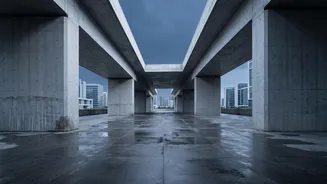
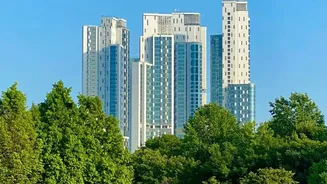
From Gurugram to Bengaluru, Indian cities are buckling under the strain of a volatile climate. Unplanned urbanisation has replaced green spaces and wetlands with concrete and asphalt, creating vast 'heat islands' that can be 3–4°C warmer than surrounding
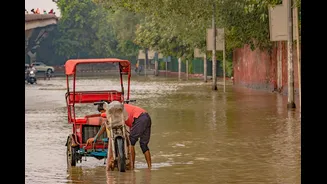
rural areas. These surfaces don't absorb rainwater, leading to rapid runoff that overwhelms archaic drainage systems. The result is a dual crisis: crippling floods during the monsoon and unbearable heat in the summer. This isn't just a failure of weather forecasting; it's a failure of urban design. Our cities were designed for a climate that no longer exists, and the consequences—from damaged roads and buildings to loss of life and income—are escalating.
Rethinking Water: The 'Sponge City' Solution
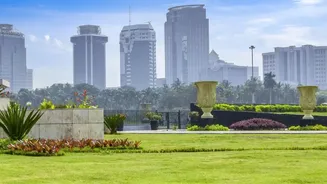
Instead of just trying to channel massive volumes of water away as quickly as possible, a growing global movement is asking: what if cities could absorb it like a sponge? This is the 'sponge city' concept, which focuses on integrating nature-based solutions into the urban fabric. Think permeable pavements that allow water to seep through, interconnected rain gardens, green roofs, and the restoration of urban lakes and wetlands. These 'blue-green' infrastructures work together to capture, filter, and store rainwater, replenishing groundwater and reducing the burden on sewer systems. By mimicking natural water cycles, sponge cities not only fight floods but also improve water quality and create cooler, greener public spaces.
Beyond Floods: Taming the Heat Wave
Climate resilience isn't just about managing floods. Extreme heat has become a chronic urban disaster in India, straining power grids, endangering public health, and reducing productivity. Here, too, infrastructure choices matter immensely. Innovative solutions focus on reducing the urban heat island effect. 'Cool roofs', which are painted with reflective materials, can significantly lower indoor temperatures and reduce demand for air conditioning. Expanding the urban tree canopy and creating green corridors provides shade and natural cooling. These strategies, combined with upgrading power grids to handle peak demand during heatwaves and establishing public cooling centres, are critical for making cities livable as temperatures continue to rise.
The High Cost of Inaction
Upgrading urban infrastructure for climate resilience is a monumental task with a significant price tag. Yet, the cost of doing nothing is far greater. According to the World Bank, timely adaptation can avert billions of dollars in annual losses from weather-related shocks in India. Investments in resilient infrastructure are not just an expense; they are essential for economic stability and public health. This requires a fundamental shift from a reactive, disaster-response approach to one of risk-informed urban development, where every new road, building, and drain is designed with future climate in mind. With over half of the urban infrastructure India needs by 2050 yet to be built, the country has a critical window of opportunity to build it right.