





Embrace a Flexible Mindset
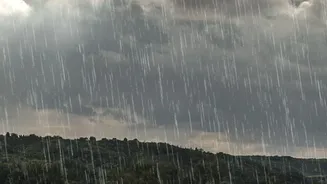
The first step is to shift your thinking. Instead of seeing rain as a problem, treat it as part of the experience. Many destinations in India, from the tea gardens of Munnar to the hills of Lonavala, are at their most beautiful during the monsoon. The goal
is to plan around the rain, not against it. This means letting go of a rigid, minute-by-minute schedule. The biggest mistake travellers make is treating heavy rain as a minor inconvenience instead of a factor that can change an itinerary within hours. A successful monsoon trip is a flexible one, rewarding those who are prepared to adapt.
Create a 'Plan B' Itinerary
For every outdoor activity on your list, have an indoor alternative ready. This is the secret to a stress-free rainy day. If a morning trek is rained out, you can pivot to a local museum, a charming café, a cooking class, or even a cinema. Research these 'Plan B' options before you go, noting their locations and opening hours. This strategy keeps the momentum of your holiday going. Keeping buffer days in your travel plan is also a wise move, as it absorbs any delays caused by bad weather without causing stress. This ensures that downtime becomes part of the journey, not time lost.
Pack Smart, Not Just More
Your packing list is your best defence against the damp. Forget heavy jeans and cottons that take forever to dry. Instead, focus on lightweight, quick-dry synthetic fabrics. Your monsoon essentials should include a reliable waterproof jacket, a sturdy umbrella, and waterproof footwear with good grip to handle slippery surfaces. A waterproof backpack or a rain cover is non-negotiable to protect your belongings. Also, pack waterproof pouches or zip-lock bags for your electronics, documents, and cash. Throw in a couple of extra pairs of socks—getting your feet wet is uncomfortable and can lead to sickness.
Leverage Weather Technology
Make technology your travel companion. Before you even leave, monitor the weather forecast for your destination. Use reliable weather apps to get real-time updates on rainfall, which can help you decide whether to head out for that sightseeing trip or enjoy a cosy afternoon indoors. It's also smart to download offline maps, as connectivity can be patchy during heavy downpours. A fully charged power bank is another essential, as power cuts can be more frequent during the rainy season.
Prioritise Health and Safety
Monsoon travel requires extra attention to safety. Roads can be slippery, and visibility can be poor, so avoid driving at night during heavy rain if possible. Be cautious of water-logged streets; it's impossible to know what lies beneath the surface. When it comes to health, be vigilant about food and water. Stick to bottled or purified water to avoid waterborne diseases, which are more common in this season. It’s generally safer to eat freshly prepared hot meals and be cautious with street food, especially items that may have been exposed to the elements. Lastly, carry a basic first-aid kit with essentials and a good insect repellent, as the rains bring out mosquitoes.