






The Allure of the 'Health Halo'
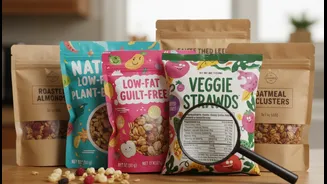
Food companies are experts at using what psychologists call the “health halo” effect. A single positive claim on the front of a package—like “organic,” “low-fat,” or “plant-based”—can make us perceive the entire product as healthy, regardless of its actual
nutritional content. In June 2026, India's food regulator, FSSAI, issued notices to several companies for using misleading terms like "healthy" on products that did not warrant the claim, highlighting how widespread this issue is. This psychological shortcut means we often don't bother to check the back of the box, where the real story is told.
Decoding Common Snack Buzzwords
Front-of-package claims are designed to sell, not necessarily to inform. Let’s break down what some popular terms actually mean. “All-Natural” is a largely unregulated term; a product can be labelled “natural” and still be high in sugar, sodium, or unhealthy fats. “Gluten-Free” is essential for those with celiac disease, but it doesn't automatically mean a snack is healthy; many gluten-free products are high in refined starches and sugar to compensate for texture and flavour. Similarly, “Plant-Based” or “Vegan” snacks aren't inherently better. A packet of fried potato chips is vegan, but it is not a health food. These snacks can still be ultra-processed and loaded with salt or sugar. Even terms like "organic" simply refer to how the ingredients were grown and don't guarantee the final product is low in sugar or calories.
The Many Disguises of Sugar
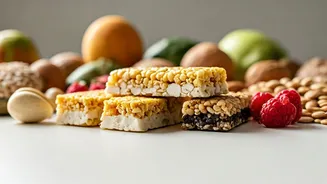
One of the biggest culprits in supposedly healthy snacks is hidden sugar. Manufacturers use dozens of names for sugar, making it hard to spot on an ingredient list. Look out for terms like high-fructose corn syrup, dextrose, sucrose, cane juice, agave nectar, and fruit juice concentrate. A snack may claim “no added sugar,” but could be sweetened with fruit juice concentrate, which is still a form of free sugar that can spike blood sugar levels. Products like low-fat yoghurts, granola bars, and breakfast cereals are often packed with sugar to make them more palatable.
How to Find a Genuinely Healthy Snack
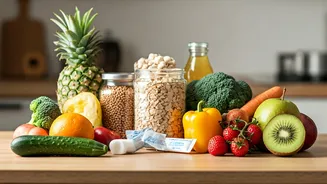
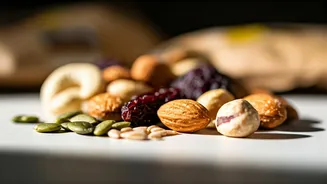
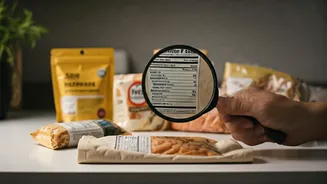
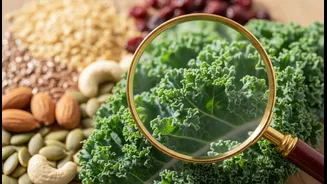
The secret to guilt-free snacking isn’t found in marketing claims, but in the nutrition facts and ingredient list. First, read the ingredient list, which orders ingredients by weight. If whole foods like nuts, seeds, or whole grains are at the top, that's a good sign. A shorter, more recognizable ingredient list is generally better. Next, check the nutrition panel. Aim for snacks with at least 3 grams of fibre or protein to help you feel full. Pay attention to the “added sugars” line and try to keep it below 6 grams per serving. Finally, be mindful of serving sizes, which are often smaller than what people typically consume in one sitting. A truly healthy snack combines protein, fibre, and healthy fats to provide sustained energy.