


A New Frontier for Private Enterprise
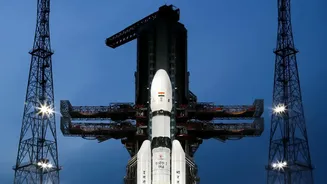
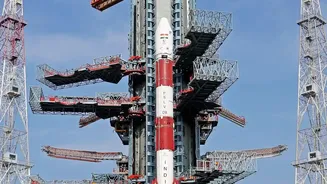
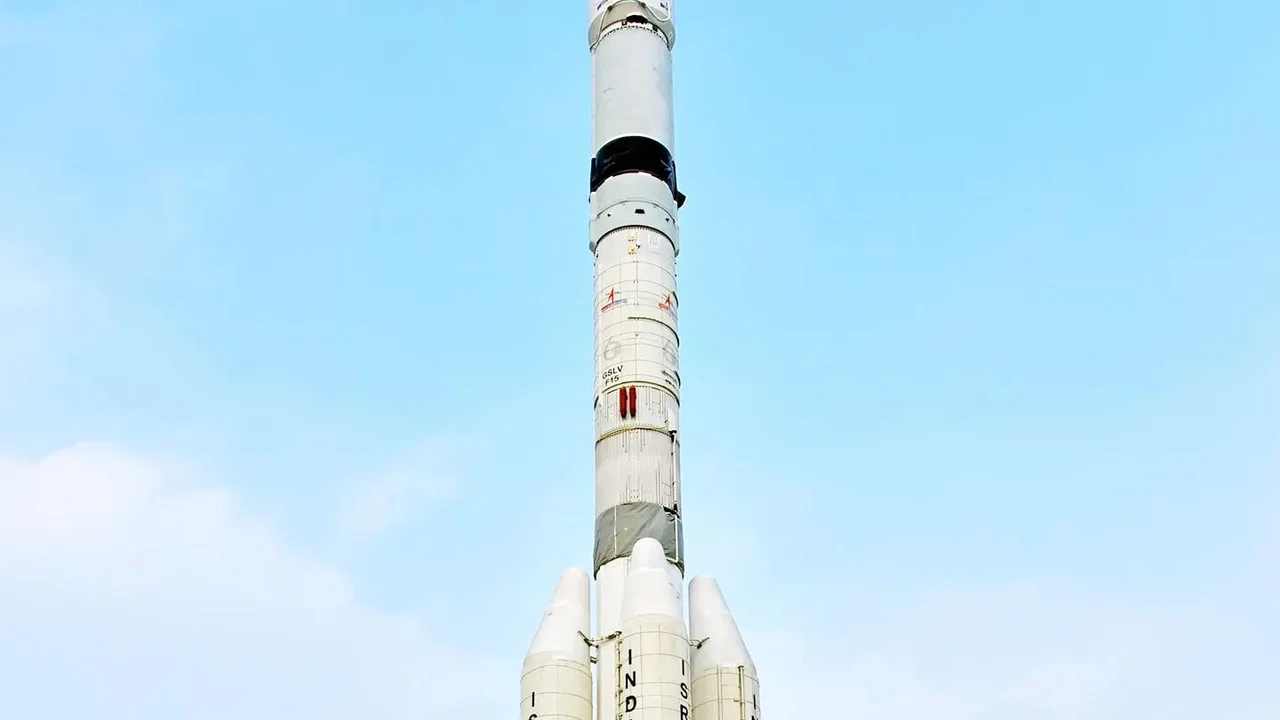
For decades, India’s space story was authored almost exclusively by the Indian Space Research Organisation (ISRO). Recent policy shifts have dramatically changed the plot. The Indian Space Policy of 2023 and the establishment of IN-SPACe, a single-window
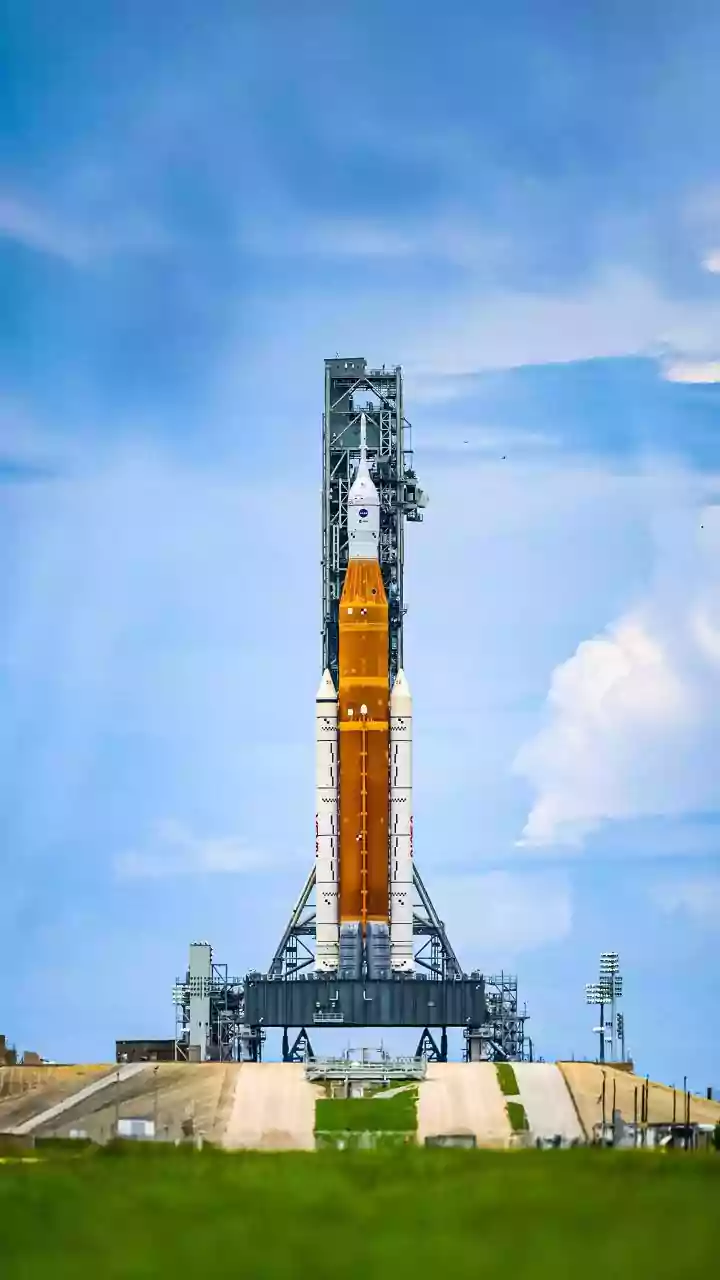
agency to promote and authorise private space activities, have opened the floodgates for commercial enterprise. This has ignited a startup boom, with hundreds of private companies entering the sector. India's space economy, currently valued at around $8.4 billion, is projected to surge to $44 billion by 2033. This rapid commercialisation means the mission has changed: it's no longer just about successful launches but about building sustainable businesses, creating a need for a much wider talent pool.
The Downstream Data Revolution
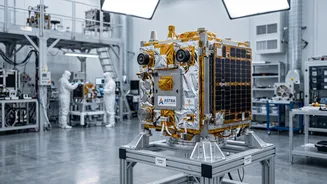
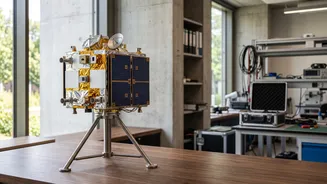
One of the largest growth areas in the new space economy has little to do with building rockets and everything to do with interpreting the data they help collect. Modern satellites generate immense volumes of information used for everything from agriculture and climate change monitoring to urban planning and defence. This has created a massive demand for data scientists, AI and machine learning specialists, and geospatial analysts. Companies are hiring experts who can develop algorithms to analyse satellite imagery, turning raw data into actionable insights for various industries. In this new era, skills in programming languages like Python and expertise in data analysis are becoming as crucial to the space economy as rocket propulsion.
Building the Broader Ecosystem
A thriving industry requires more than just technical experts; it needs a robust ecosystem of support roles. As private companies like Skyroot Aerospace and Agnikul Cosmos develop their own launch vehicles and satellite constellations, they require professionals who can navigate the business landscape. There is a growing demand for space lawyers to handle the complex web of international treaties and domestic regulations. Financial analysts and business development managers are essential for securing venture capital and building commercial partnerships. Project managers are needed to oversee complex missions with commercial deadlines, while marketing and communications specialists are required to build brands and tell the stories of these innovative startups.
The Human and Manufacturing Element
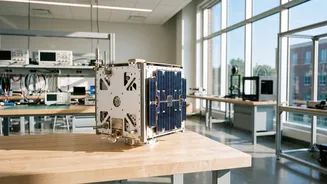
While the focus is shifting, the need for top-tier engineering and manufacturing remains. However, even here, the required skills are diversifying. Beyond traditional aerospace engineering, there is a growing need for robotics engineers, 3D printing specialists, and experts in advanced materials and autonomous systems. The focus is increasingly on creating lighter, more efficient, and reusable systems, which requires a multidisciplinary approach. Furthermore, as the industry matures, entirely new fields like space tourism will emerge, requiring professionals in hospitality and customer experience. Science communicators and educators also play a vital role in making the sector's work accessible to the public and inspiring the next generation.