




A Revolution in Railway Dining
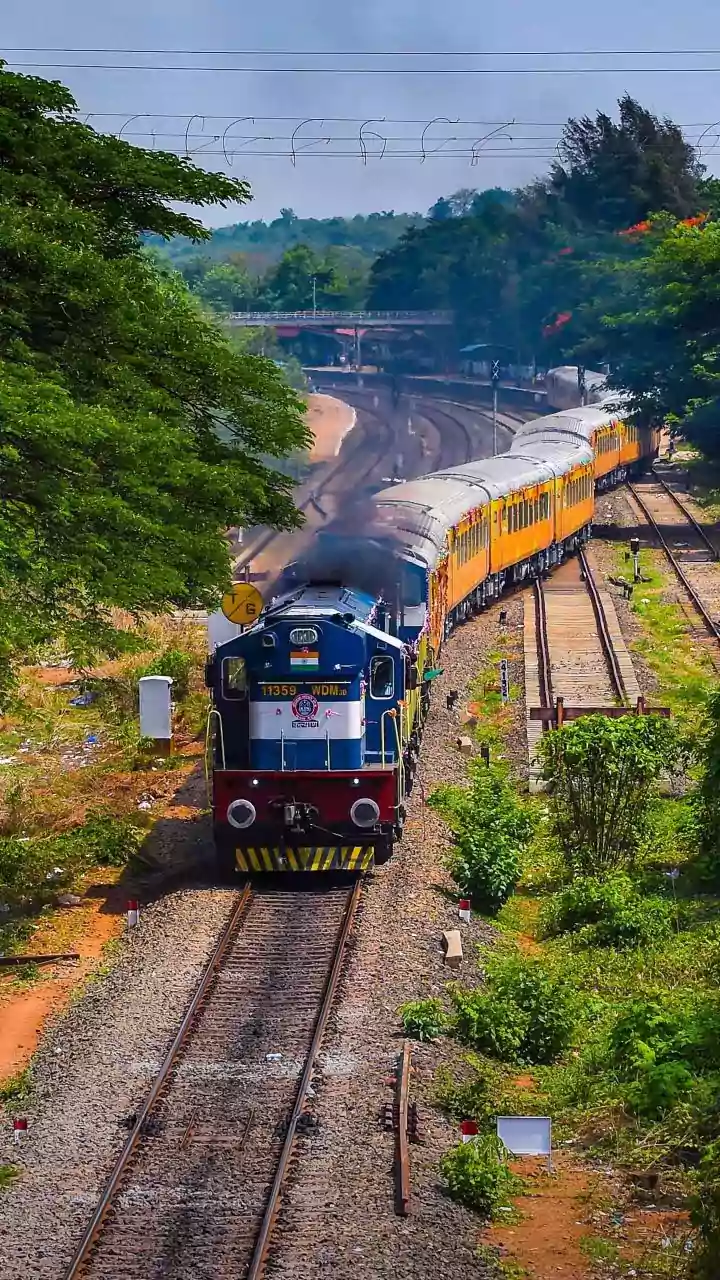
Not long ago, a long train journey meant a culinary lottery. You either packed enough food for the entire trip or relied on the limited, often uninspired, options from the pantry car and station vendors. But this is changing, and fast. The rise of e-catering
services has transformed train travel, creating a massive marketplace for food on the move. IRCTC’s official e-Catering service now handles an average of over 1.2 lakh meals daily, a staggering increase from just a few thousand a day a decade ago. Food-tech giants like Swiggy have also entered the fray, reporting a threefold year-on-year growth in train food orders and expanding to over 180 cities. This surge is driven by a simple demand: passengers want variety, quality, and convenience.
How It Works: Your PNR is Your Key
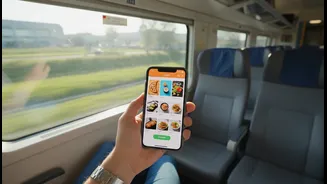
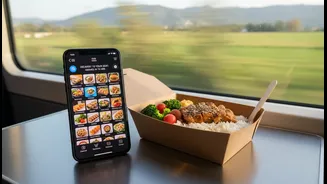
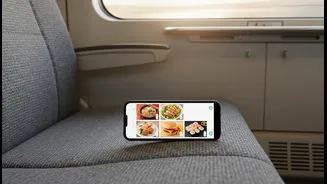
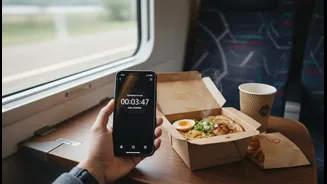
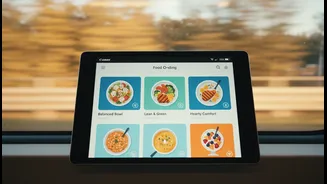
The system is built around your 10-digit PNR number. Passengers use an app or website from an authorized provider—like IRCTC's official 'Food on Track' app, or partners like Zoop, RailRestro, and Swiggy—to get started. After entering your PNR, the platform shows you a list of restaurants available at upcoming stations on your route. These aren't just any restaurants; they are typically FSSAI-approved partners, ensuring a baseline of hygiene and safety. You choose your meal, pay online or opt for cash on delivery, and the food is prepared fresh and delivered directly to your seat when the train halts at the designated station. Some apps even feature live order tracking for complete transparency.
The Undeniable Advantages
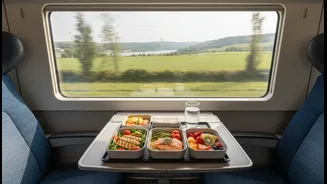
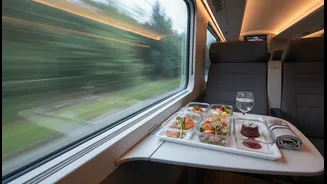
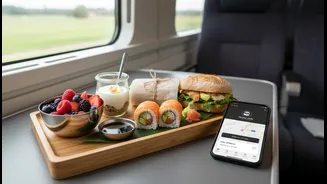
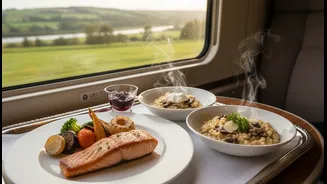
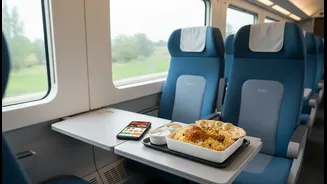
The primary benefit is choice. Instead of a standard thali, you can order anything from Hyderabadi biryani and pizza to local specialities and Jain meals prepared without onion or garlic. This caters to diverse dietary needs and preferences that were previously ignored. Hygiene is another major plus. Knowing your food comes from an FSSAI-certified restaurant provides peace of mind that was often missing with platform food. Furthermore, the convenience of at-seat delivery means no more frantic dashes to a food stall during a brief station halt. It's a calmer, more controlled dining experience.
Navigating the Potential Pitfalls
While the system is a huge improvement, it's not without its challenges. The biggest issue can be timing. Train delays are common, and if your train is running significantly late, it can disrupt the delivery chain, though many services now use AI-based live train tracking to mitigate this. Food quality can also vary between restaurants and cities, so what was a great experience on one route might not be the same on another. Availability is another factor; while major stations have dozens of options, smaller stations on less popular routes may have limited or no service. It's crucial to check which stations on your journey are covered.
Smart Meal Planning for Your Journey
This is where digital meal planning comes in. Before you even board, use one of the apps to see which stations on your route have the best-rated restaurants. Don't wait until you're hungry to order. Many platforms allow you to book meals days in advance. Swiggy has noted a sharp rise in passengers ordering from multiple stations on a single trip, planning their lunch from one city and dinner from another. Reading user reviews for specific restaurants is key. For a long journey, consider placing a smaller, trial order from a station early in your trip. If the experience is good, you can confidently order your main meals later. And always have a backup, like some snacks, just in case of unforeseen delays or cancellations.