




An Invitation to the Moon's South Pole
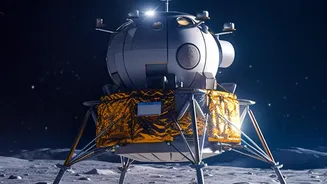
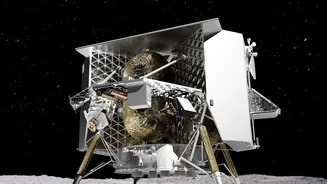
The invitation was officially extended in early August 2026 during a meeting of the India-U.S. Civil Space Joint Working Group in Bengaluru. NASA has asked the Indian Space Research Organisation (ISRO) to join its Moon Base program, a cornerstone of the wider
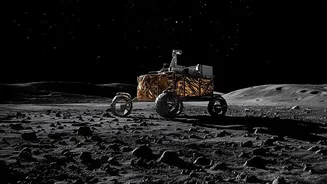
Artemis initiative. The goal is no longer just to make fleeting visits but to establish a sustained human presence near the Moon's south pole—a region believed to hold vital water ice resources. This isn't just a friendly gesture; it’s a strategic recruitment. NASA has been clear: "We're going back to the moon to stay — and we're bringing our partners with us." India signed the U.S.-led Artemis Accords in 2023, a set of principles for peaceful and transparent space exploration, which laid the groundwork for this deeper collaboration.
Why NASA Wants ISRO on the Team
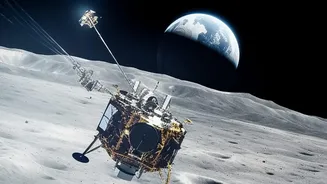
So, why India? For NASA, partnering with ISRO is a savvy move. First, ISRO has serious credentials. In 2023, its Chandrayaan-3 mission made India the first and only country to successfully soft-land a spacecraft near the lunar south pole. This wasn't just a technical victory; it provided the world with invaluable ground-level data about a strategic region. Second, ISRO has a global reputation for "frugal innovation"—pulling off complex, high-stakes missions at a fraction of the cost of other major space powers. As NASA faces the monumental expense of building a lunar outpost, having a partner known for its cost-effective engineering is a massive asset. The collaboration also strengthens a key democratic alliance in space, creating a powerful coalition of nations committed to open and peaceful exploration.
A 'Giant Leap' for India's Space Program
For India, the benefits are immense. Joining the Artemis Moon Base program would fast-track its own ambitions, which include a planned crewed lunar landing by 2040 and the establishment of an Indian space station by 2035. Partnering with NASA provides access to cutting-edge technologies, shared scientific data, and decades of experience in human spaceflight. It offers a chance to gain invaluable experience in complex operations and leapfrog certain technological hurdles. More than just technology, it offers India a prominent seat at the table where the rules for the future of space exploration are being written. This moves ISRO from being a respected national agency to a crucial player in humanity's next great chapter beyond Earth.
A New Alliance for a New Space Age
This partnership is about more than just science and engineering; it's also about geopolitics. The 21st-century space landscape is increasingly defined by two major blocs: the U.S.-led Artemis coalition and a rival effort by China and Russia to build their own lunar base. By bringing India firmly into its camp, the U.S. is solidifying a strategic and technological alliance with the world's largest democracy. The collaboration builds on previous successful joint projects like the NISAR Earth-observation satellite, which has already demonstrated the synergy between the two agencies. This deepening relationship, formalized under frameworks like the Artemis Accords and the TRUST (Transforming the Relationship Utilizing Strategic Technology) Initiative, ensures that the future of lunar development is shaped by principles of transparency and international cooperation.