

Moving Beyond Ground Control
For decades, satellites have operated like puppets on a string, relying on constant commands from mission control on Earth. They collect massive amounts of data, beam it down, and wait for human analysts to sort through it and issue new instructions.
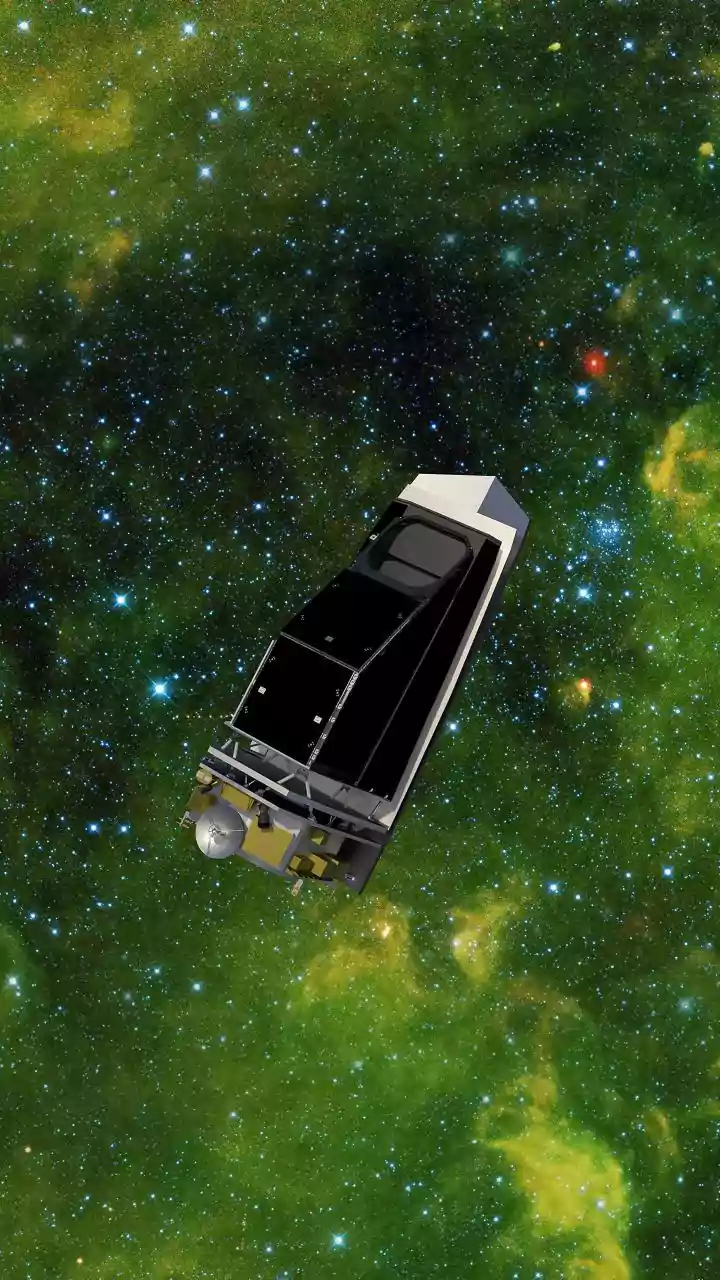
This model, while reliable, is slow. The Indian Space Research Organisation (ISRO) is now pioneering a move toward a new paradigm: intelligent, autonomous satellites. At a recent conclave, ISRO experts detailed plans for on-board AI and machine learning to play a transformative role in upcoming satellite systems. The goal is to give spacecraft the ability to make their own decisions, reducing their dependence on the busy back-and-forth with ground stations.
The Need for Speed and Smarts
The core problem with the traditional model is a massive data bottleneck. A satellite might capture thousands of images, but many could be useless due to cloud cover or other issues. Sending all that data to Earth consumes time and bandwidth. AI offers a solution by enabling on-board processing, often called edge computing. Think of it as the difference between an old digital camera and a new smartphone. The old camera just stores photos; the smartphone can instantly identify faces, filter out blurry shots, and even suggest edits. Similarly, an AI-powered satellite can analyze data as it's collected, prioritize what’s important, and only transmit the most valuable information. This ability is crucial for tasks that require immediate action, like tracking a fast-moving storm or detecting the start of a wildfire.
From Data Collection to Real-Time Action
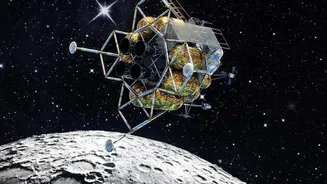
The practical applications of this technology are game-changing. ISRO officials have highlighted its potential for more effective disaster management. An intelligent satellite could autonomously detect a flood or landslide, analyze its scale, and send targeted alerts directly to emergency responders in minutes, not hours. This capability also extends to national security and reconnaissance. India is developing an advanced constellation of surveillance satellites, called I-STAR, that will use on-board AI to provide rapid intelligence and targeting data. For science missions, AI is indispensable. ISRO has already used AI to aid in tasks like the autonomous landing of its Chandrayaan-3 mission on the Moon, where the system had to make real-time decisions to find a safe touchdown spot.
A New Era of Space Exploration
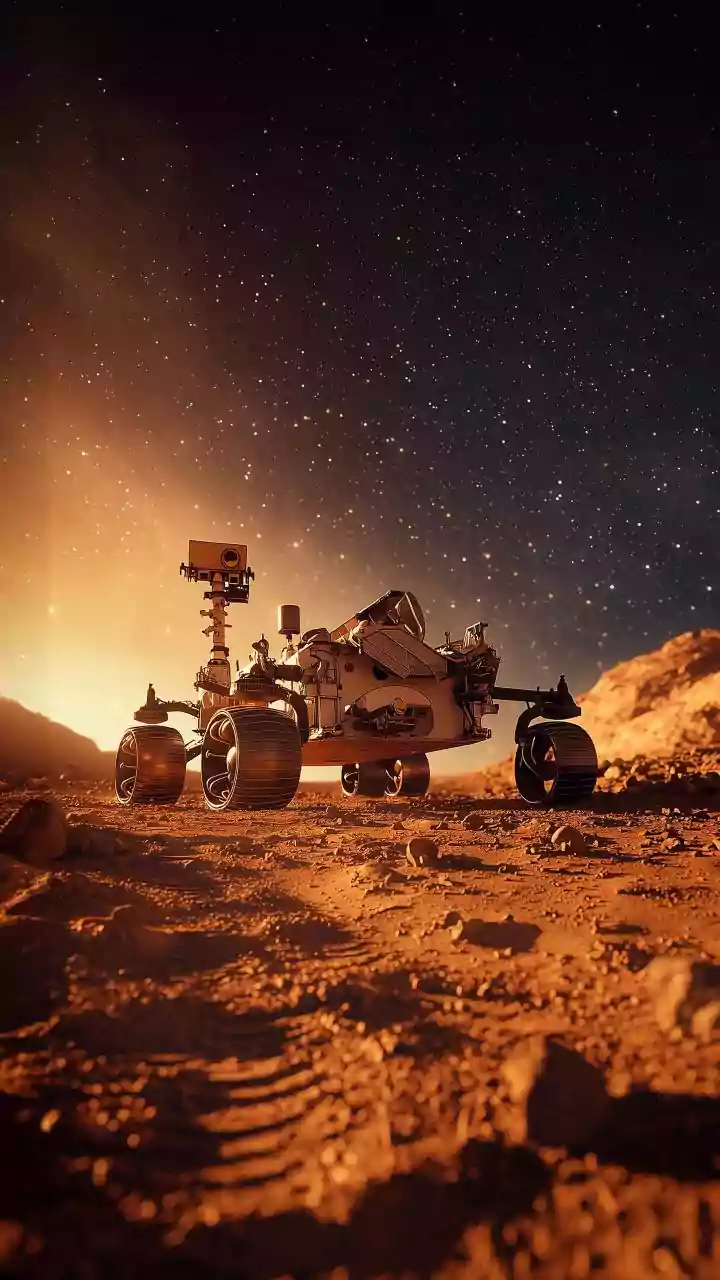
ISRO's push into AI-driven spacecraft is part of a global trend reshaping space exploration. For future deep-space missions to Mars or beyond, autonomy isn't a luxury—it's a necessity. The communication delay between Earth and Mars can be up to 20 minutes, making remote-control piloting impossible. Like NASA's Perseverance rover, which uses AI to navigate the Martian surface on its own, future probes will need to be self-reliant explorers. They will have to independently navigate treacherous terrain, identify scientific targets, and even diagnose and fix their own mechanical problems. By developing these capabilities now, ISRO is not only enhancing its Earth observation and defense systems but also positioning itself as a key player in the next generation of interplanetary science and discovery.