

The E-Visa Advantage for Indians
The biggest game-changer for travelling to Central Asia has been the introduction of electronic visas (e-visas) and visa-free policies for Indian passport holders. This has slashed the complex paperwork and long waiting times previously associated with
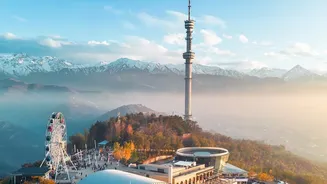
the region. Uzbekistan offers a straightforward e-visa for US$20, which can be applied for online and is usually processed within a few working days. Similarly, Tajikistan provides an e-visa service for around US$30, with an option to add a GBAO permit for US$20 if you plan to travel the legendary Pamir Highway. Kyrgyzstan also has an online e-visa portal, making entry seamless. For Kazakhstan, Indian citizens can enjoy visa-free entry for up to 14 days, which is perfect for a short trip focused on cities like Almaty. These digital processes mean you can plan your trip with more certainty and less bureaucratic hassle.
Crafting Your Shoestring Budget
Central Asia is remarkably affordable, especially if you travel like a local. A daily budget of ₹2,500 to ₹4,000 (approx. US$30-50) per person is realistic for a backpacker. Accommodation is a key area for savings. Hostels and family-run guesthouses are plentiful in major cities like Tashkent, Samarkand, Bukhara, and Bishkek, with dorm beds often costing just US$10-15 per night. Food is another major win for budget travellers. Eating at local bazaars and small canteens is not only cheap but also delicious. A hearty meal of plov (a rice pilaf), samsa (baked savoury pastries), or lagman (noodle soup) can cost as little as ₹200-400. To save more, consider cooking some of your own meals, as many hostels have shared kitchens. Always carry cash, especially in smaller towns and for local transport, as card payments are not always accepted outside of large hotels and restaurants in major cities.
Getting Around Affordably
Inter-city travel in Central Asia is an adventure in itself and can be done very cheaply. Uzbekistan boasts a modern and efficient train network, including high-speed trains that connect Tashkent, Samarkand, and Bukhara. Booking these in advance is recommended, especially during peak season. For other routes and in countries like Kyrgyzstan and Tajikistan, shared taxis and 'marshrutkas' (minibuses) are the way to go. You can find them at designated bus stations or taxi stands in every town. You simply wait for the vehicle to fill up with passengers going in the same direction and then you're off. A five-hour journey might only cost around US$10. For crossing borders, such as from Almaty in Kazakhstan to Bishkek in Kyrgyzstan, marshrutkas offer a direct and inexpensive option.
A Classic First-Timer's Itinerary
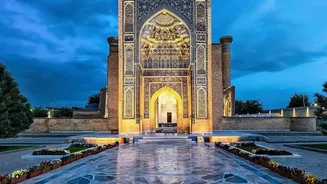
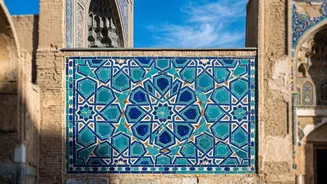
For a two to three-week trip, a popular and logical route is to focus on Uzbekistan and Kyrgyzstan. You could fly into Tashkent, the modern capital of Uzbekistan, and spend a few days exploring before taking the train to the historical powerhouses of Samarkand and Bukhara. These cities are the heart of the Silk Road, filled with breathtaking mosques, mausoleums, and madrasas. From Uzbekistan, you can take a short flight or an overland journey to Bishkek, the capital of Kyrgyzstan. From Bishkek, you can easily arrange trips to the stunning Ala Archa National Park or the magnificent Issyk-Kul Lake, a massive alpine lake surrounded by snow-capped peaks. If you have more time and an adventurous spirit, you could add Tajikistan's Fann Mountains or the Pamir Highway to your list, but be aware that this requires more planning, especially regarding the GBAO permit.
Safety and Cultural Etiquette
Central Asia is generally considered a safe region for travellers, with low rates of violent crime. However, it's always wise to take standard precautions. Be aware of your surroundings in crowded markets (bazaars) to avoid petty theft, use reputable transport options, and avoid walking alone late at night in unfamiliar areas. Culturally, the region is a fascinating mix of Soviet history and Islamic tradition. Learning a few basic Russian or local phrases will be greatly appreciated. When visiting religious sites like mosques and mausoleums, it is important to dress modestly—this means covering your shoulders and knees for both men and women. The people are known for their hospitality, and you will likely find yourself welcomed with warmth and curiosity.