

The Silent Emergency of Coral Bleaching
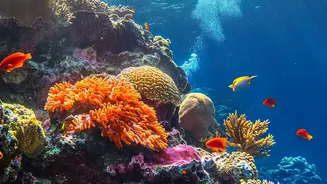
Coral reefs, which support about a quarter of all marine life, are profoundly sensitive to their environment. The primary threat they face today is coral bleaching, a direct consequence of rising ocean temperatures driven by climate change. Even a seemingly
small increase of just one degree Celsius lasting for a few weeks can be enough to trigger a bleaching event. During this process, stressed corals expel the vibrant, microscopic algae (zooxanthellae) living in their tissues. This algae is the coral's main food source; without it, the coral turns a ghostly white and is left vulnerable to disease and starvation. While bleached corals are still alive, they are severely weakened, and if high temperatures persist, widespread death can occur, turning a thriving ecosystem into a barren underwater graveyard.
Nature's Survivors: The 'Super Corals'
However, not all corals react to heat stress in the same way. Scientists have discovered that, just like any other species, corals exhibit natural variation. Some individual corals and even entire reef sections show a surprising resilience to warmer waters. These so-called 'super corals' or heat-tolerant species are naturally better equipped to withstand marine heatwaves. This tolerance can be due to their genetic makeup or the specific type of algae they host. Corals that have historically lived in warmer regions, for instance, may have adapted over generations to endure higher temperatures. Identifying these pockets of resilience is crucial, as these naturally robust corals could hold the genetic key to survival for reefs worldwide, offering a blueprint for adaptation in a warming world.
A Global Treasure Map for Resilience
This is where large-scale mapping comes into play. Initiatives like the Allen Coral Atlas are using high-resolution satellite imagery and advanced analytics to create the first comprehensive maps of the world's shallow-water reefs. This technology allows scientists to monitor reefs in unprecedented detail, even detecting bleaching events from space. To identify heat tolerance specifically, researchers combine this satellite data with on-the-ground experiments. They collect small coral fragments and expose them to heat stress tests in controlled aquarium settings to see which ones resist bleaching. By sequencing the DNA of these hardy survivors, scientists can identify the genetic markers for heat tolerance. This creates a global map that doesn't just show where reefs are, but pinpoints the locations of the strongest, most resilient corals.
From Mapping to Meaningful Action
A map of heat-tolerant corals is far more than just a scientific curiosity; it is a powerful tool for conservation. Knowing where these resilient reefs are allows for targeted protection efforts. Conservation groups and governments can prioritise the creation of Marine Protected Areas (MPAs) around these crucial locations, shielding them from other stressors like pollution and overfishing. These resilient reefs can also act as natural 'seed banks'. Their larvae can spread to surrounding, more damaged areas, helping to repopulate them with more heat-tolerant offspring. Furthermore, these corals can be used in restoration projects, where scientists selectively breed and grow them in nurseries before planting them back onto degraded reefs. This strategic approach ensures that limited resources are used to protect the corals with the best chance of survival.
Why This Matters for India
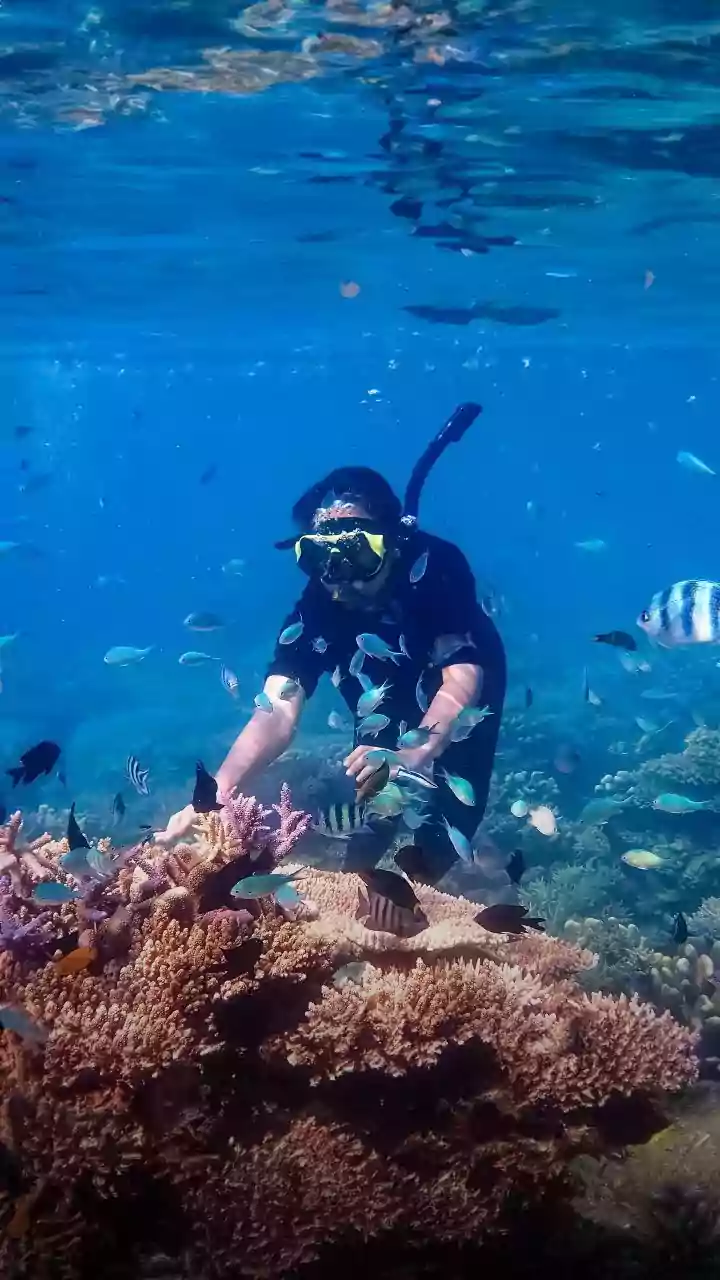
This global effort has direct relevance for India, with its extensive 7,500-kilometre coastline and precious reef ecosystems in areas like the Andaman and Nicobar Islands, Lakshadweep, the Gulf of Mannar, and the Gulf of Kutch. These reefs are vital for protecting coastlines from erosion, supporting fisheries that provide livelihoods for millions, and driving tourism. As Indian reefs also face the threat of bleaching, identifying and protecting naturally resilient coral populations is a critical strategy for safeguarding this immense natural heritage and the economic stability it provides. By understanding where the strongest corals lie, India can better focus its conservation strategies to ensure its 'rainforests of the sea' can endure for future generations.