




The Tradition in the Tea
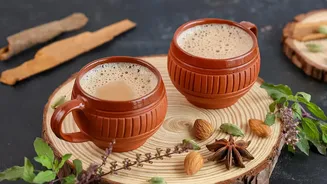
For generations, the default tea for many Indians has been the strong, granular CTC (Crush, Tear, Curl) variety, which is boiled with milk and sugar to create masala chai. Orthodox tea, however, is a different world entirely. The term 'orthodox' refers
to the traditional, centuries-old method of processing where whole tea leaves are gently plucked, withered, rolled, and dried. This artisanal process, primarily used for premium single-estate teas from regions like Darjeeling and Assam, preserves the leaf's integrity, resulting in a brew with complex, layered, and delicate flavours. While a significant portion of India's orthodox tea is produced for export, a growing number of domestic consumers are now seeking it out for its superior taste and origin story.
Enter the Cold Brew Method
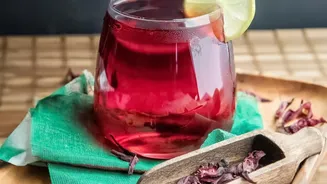
The innovation lies in the preparation. Instead of using hot water, which can extract bitter-tasting tannins from delicate leaves, cold brewing involves steeping tea in cold water for an extended period, typically 8 to 12 hours. This slow, gentle infusion has a transformative effect. It extracts fewer tannins, resulting in a remarkably smooth, naturally sweeter, and less astringent beverage. This method not only avoids bitterness but also highlights the subtle, aromatic compounds of high-quality leaves that hot brewing can sometimes overwhelm. Furthermore, some studies suggest that cold brewing can help preserve certain antioxidants, like catechins, which are more sensitive to heat.
A Perfect Pairing with Lemongrass
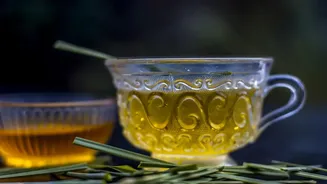
The choice of lemongrass as an infusion is a stroke of genius. The herb’s naturally bright, citrusy, and slightly minty profile complements the nuanced flavours of orthodox teas without overpowering them. It adds a refreshing, zesty kick that transforms the brew into an elegant, thirst-quenching drink perfectly suited for India's warm climate. Lemongrass has long been valued in traditional wellness practices for its cleansing and stress-relieving properties, which adds another layer of appeal for health-conscious consumers. The combination of a premium tea and a fresh, aromatic herb creates a sophisticated beverage that feels both artisanal and invigorating.
Why It Resonates with Young Drinkers
This trend is being driven by a fundamental shift in consumer habits, particularly among Millennials and Gen Z. This demographic is increasingly health-conscious, moving away from sugary soft drinks towards natural, clean-label alternatives. Cold-brewed tea, which often requires no added sugar due to its natural sweetness, fits this preference perfectly. The rise of café culture and a curiosity for artisanal products have also played a significant role. Young consumers are seeking new experiences and beverages with an authentic origin story, which the single-estate orthodox tea market provides. These visually appealing, 'Instagrammable' drinks also align perfectly with social media culture, making them a trendy choice for a generation that values aesthetics.
From Niche Trend to Market Force
What started as a niche offering in specialty cafes is now a significant market trend. India’s specialty tea market has seen dramatic growth, nearly tripling in the last five years, driven by demand from younger consumers. Tea companies and innovative D2C brands are taking notice, developing new blends and marketing premium teas specifically for cold consumption. This shift represents more than just a new way to drink tea; it's about re-imagining heritage through a contemporary lens. By adapting a traditional product to modern tastes and preferences, the Indian tea industry is ensuring its relevance for generations to come.