

Start With a Visual Inspection
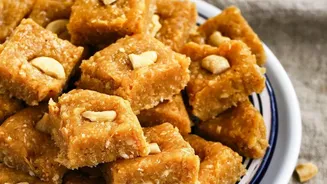
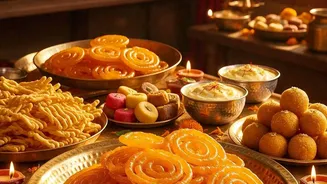
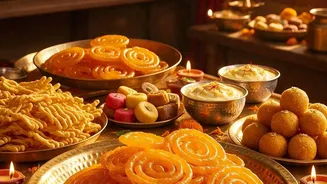
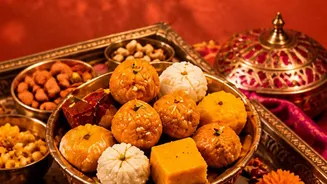
Your first line of defence is your eyes. Before you even ask for a sample, take a close look at the sweets on display. Avoid mithai with unnaturally bright, vibrant colours, as these often contain synthetic dyes which can be harmful. Good quality sweets use
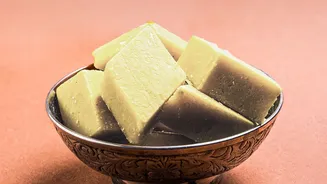
natural colouring, which results in more subdued tones. Look for any signs of staleness, such as a dried or cracked appearance. For milk-based sweets like barfi or kalakand, check carefully for any fuzzy spots that could indicate the beginnings of mould. Also, observe the general hygiene of the shop. FSSAI guidelines recommend buying from licensed vendors who keep their sweets properly covered and protected from dust and insects.
The Khoya Purity Check
Khoya, or mawa, is the base for many beloved Diwali sweets, and it is one of the most commonly adulterated ingredients. Unscrupulous sellers often mix it with starch, flour, or even blotting paper to increase its weight and cut costs. A simple way to test for purity at the shop is to take a small pinch of khoya or a piece of a khoya-based sweet and rub it on your palm or thumb. Pure khoya will feel slightly greasy and leave a little shine on your skin. If it feels sticky, pasty, or unusually dense, it is likely adulterated with starch. It's a quick sensory check that can tell you a lot about the quality of the main ingredient.
Examine the Silver Vark
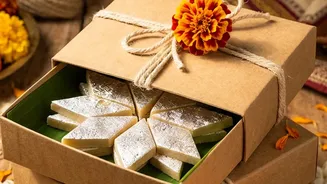
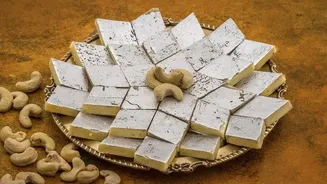
That shimmering silver layer on kaju katli and barfi, known as 'vark', is meant to be pure, edible silver. However, it's often replaced with cheaper and dangerous aluminium foil. There's a simple physical test you can perform. Gently touch the silver layer on a sweet. If it is genuine silver vark, it will disintegrate easily upon touch or roll into a tiny, soft ball. If you find it difficult to separate from the sweet or if it feels like a distinct, crinkly particle that shreds, you are likely dealing with aluminium foil, which is not safe for consumption and should be avoided.
Use Your Sense of Smell and Taste
Your nose knows when something is off. Before buying, ask for a small sample to smell. Fresh mithai should have a pleasant, appetizing aroma of ghee, milk, and sugar. If you detect any sour, stale, or chemical-like smell, it's a clear indicator that the sweets are old or made with poor-quality ingredients. If the smell test passes, you can proceed to a taste test. Take a tiny bite. Adulterated or stale sweets will often have a noticeable aftertaste. A fresh sweet will taste clean, whereas one made with adulterated khoya might taste unusually bland, and old oil or ghee will have a distinct, slightly bitter flavour. Trust your instincts; if it doesn't taste right, don't buy it.
Smart Buying Habits
Beyond testing the sweets themselves, a few smart habits can protect you. Always try to buy from reputable, trusted sweet shops, even if they cost a little more. Check for an FSSAI license or registration number, which should be displayed prominently in the shop. For pre-packaged sweets, always check the manufacturing and 'best before' dates. Be particularly cautious with milk-based sweets, as they have a very short shelf life, sometimes only a day or two. Ask the seller directly about the freshness and when the sweets were made. A reliable vendor will be transparent about their products. Avoid buying sweets that are sold loose in the open, as they are more susceptible to contamination.