






Nature’s Built-In Defences
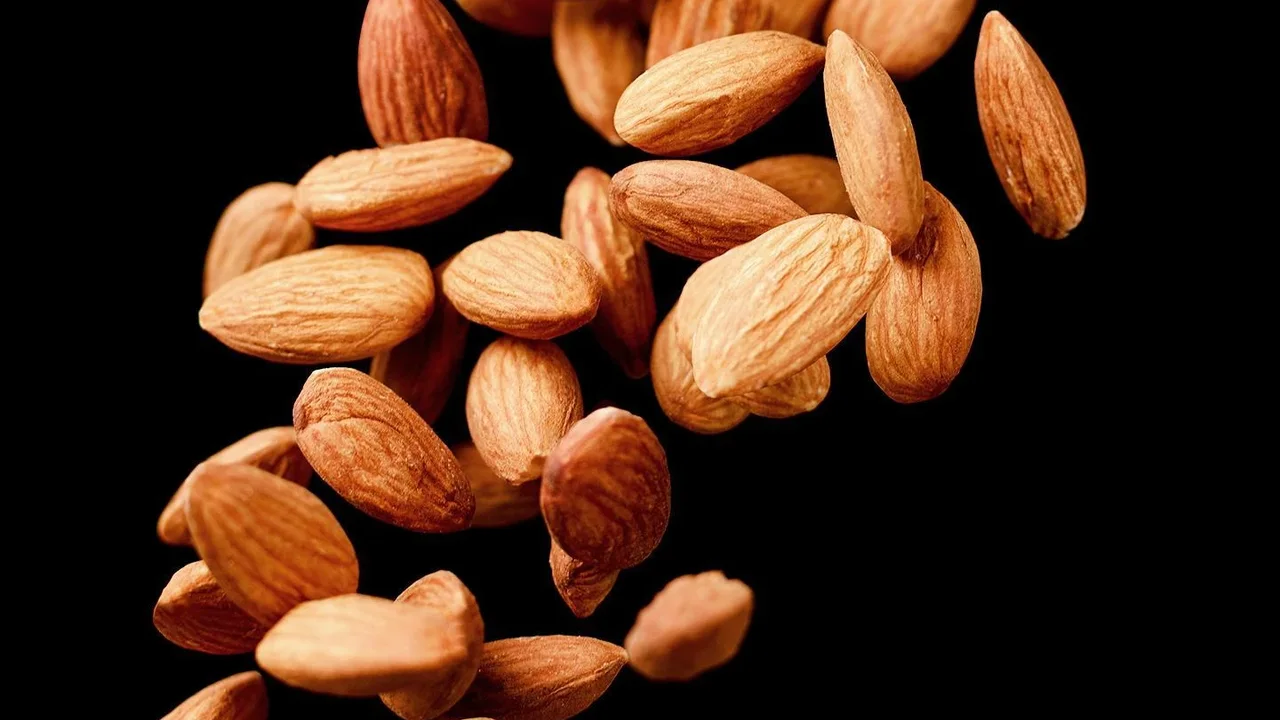
Have you ever wondered why a handful of raw almonds can sometimes feel like a rock in your stomach? The answer lies in the nut's own survival strategy. To protect themselves until conditions are perfect for germination, raw nuts, seeds, and grains contain
natural compounds often called 'anti-nutrients'. The two main culprits responsible for digestive woes and blocked nutrient absorption are phytic acid and enzyme inhibitors. These substances act as a defence mechanism for the plant, but they can put a strain on our digestive system when we consume them.
The Mineral Thief: Phytic Acid
Phytic acid, found in the outer layer of nuts, has a powerful ability to bind with minerals. When you eat raw nuts, the phytic acid can latch onto essential minerals like iron, zinc, magnesium, and calcium in your digestive tract. This binding action forms insoluble complexes that your body cannot break down, which means those valuable minerals pass through your system without being absorbed. This is why phytic acid is often called a 'mineral thief'; even if a nut is technically rich in minerals, the phytic acid can prevent your body from actually using them. Over time, a diet high in unfermented, high-phytate foods could contribute to mineral deficiencies.
The Digestion Blockers: Enzyme Inhibitors
In addition to phytic acid, raw nuts contain enzyme inhibitors. As the name suggests, these compounds interfere with your body's own digestive enzymes, particularly those needed to break down protein. This forces your digestive system to work overtime, which can lead to the bloating, gas, and general feeling of heaviness that some people experience after eating nuts. These inhibitors are the nut’s way of staying dormant until it has enough water to begin sprouting. By neutralizing these inhibitors, you can ease the burden on your gut, making for a much smoother digestive experience.
How Soaking Unlocks Nutrients
So, how do we get around these natural defences? The solution is surprisingly simple: soaking. By immersing raw nuts in water, you are essentially mimicking the natural process of germination. This signals to the nut that it's time to sprout, which in turn deactivates the enzyme inhibitors and begins to break down the phytic acid. The water helps to neutralize and wash away a significant portion of these anti-nutrients, making the nuts much easier to digest and unlocking the minerals for your body to absorb. This process not only improves digestibility and nutrient bioavailability but can also result in a creamier, less bitter taste.
Your Simple How-'To Guide
Ready to try it for yourself? Getting started with soaking is easy. All you need are raw, unsalted nuts, water, and a pinch of salt. Place your nuts in a glass bowl or jar and cover them with warm, filtered water. Add about a teaspoon of salt for every four cups of nuts, as the salt helps to activate the enzymes that break down the inhibitors. Soaking times vary depending on the nut. Harder nuts like almonds need at least 8-'12 hours, while softer nuts like cashews or walnuts only require '2-'6 hours. After soaking, it's crucial to drain the water (which now contains the leached-'out anti-'nutrients) and rinse the nuts thoroughly. You can then use them immediately in smoothies or recipes, store them in the fridge for a day or two, or dehydrate them at a low temperature in an oven or dehydrator until they are dry and crisp again, which allows for longer-'term storage.