





The Science of Staying Warm
The primary reason behind the increased animal movement is a biological process called thermoregulation—the ability of an organism to keep its body temperature within certain boundaries. Animals, just like humans, need to maintain a stable internal environment
to survive. When temperatures drop during a cold November night, their bodies work harder and burn more energy just to stay warm. This energy expenditure needs to be replenished. As the sun rises, its warmth provides a crucial opportunity for animals to regulate their temperature and kickstart their day, making them far more active and visible than during the scorching heat of the afternoon or the deep cold of the night.
Mammals on the Move for a Meal
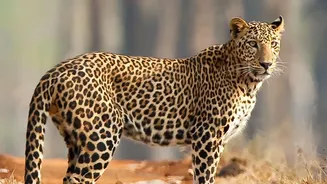
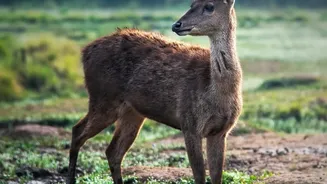
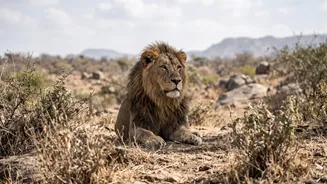
Warm-blooded animals, or endotherms, like tigers, leopards, deer, and wild dogs, generate their own body heat. During cold nights, their metabolism works overtime to maintain their core temperature, using up precious calories. Consequently, the first order of business in the morning is to find food to refuel. Herbivores like spotted deer and sambar emerge from their nightly shelters to graze in the open, while predators take advantage of this movement. Tigers and leopards, who find it difficult to hunt in the midday sun, use the cool, crisp morning air to their advantage, prowling for an opportunity. This makes early morning safaris in parks like Ranthambore and Bandhavgarh prime time for spotting these magnificent carnivores.
Reptiles and the Morning Sunbath
For cold-blooded animals, or ectotherms, the morning sun isn't just a comfort—it's a necessity. Reptiles like crocodiles, snakes, and monitor lizards rely entirely on external sources for body heat. After a cold night, their metabolism slows down dramatically, leaving them sluggish and unable to properly function or digest food. To become active, they must physically absorb heat from the sun, a behaviour known as basking. This is why you will often see crocodiles lining the banks of rivers and lakes, or snakes coiled on rocks, soaking up the first rays of morning light. They are essentially 'charging up' for the day, making them a common and fascinating sight during winter mornings.
A Ripple Effect on the Food Chain
The simultaneous movement of different species creates a dynamic environment. The increased activity of herbivores inevitably attracts predators, leading to a higher chance of witnessing the dramatic interactions of the natural food chain. The morning dew on the foliage also provides an important source of water for many smaller animals and birds. Furthermore, the thinner vegetation after the monsoon season provides clearer lines of sight into the forest. This combination of factors—active prey, hunting predators, and better visibility—transforms the forest into a bustling stage of life, offering a richer and more rewarding experience for observers.
Prime Time for Safari Goers
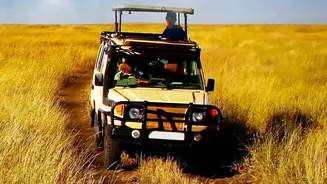
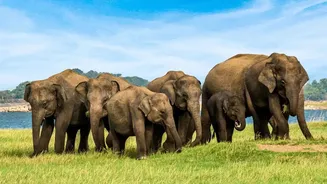
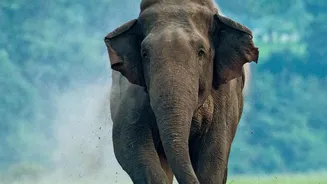
All these natural factors make the period from November to February one of the best times for wildlife tourism in India. The weather is pleasant for tourists, and the animal activity is at its peak during the early hours. Guides in renowned national parks like Jim Corbett, Kanha, and Kaziranga consistently recommend morning safaris during these months for the highest probability of sightings. Whether it's a tiger majestically walking down a forest track, a herd of elephants grazing peacefully, or migratory birds flocking to wetlands, the cold winter morning is when the Indian wilderness truly puts on its most spectacular show.