



The Original Power Grains
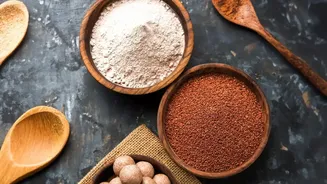
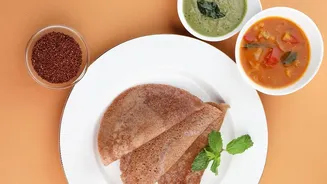
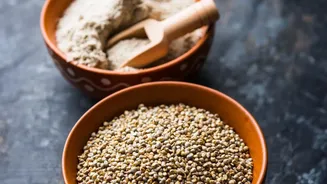
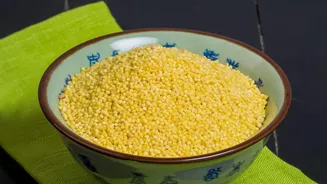
For thousands of years, millets were a foundational part of the Indian diet, long before wheat and rice rose to prominence. This diverse group of small-seeded grasses, including jowar (sorghum), bajra (pearl millet), and ragi (finger millet), were staples
across the subcontinent. Naturally gluten-free and packed with nutrients, they are rich in protein, fibre, and essential minerals like iron and calcium. Unlike modern processed grains, millets provide sustained energy, making them a cornerstone of traditional food wisdom. Their resilience is also key; these hardy crops thrive in arid conditions with minimal water, making them as good for the environment as they are for our bodies.
A Blueprint for Balance: The Thali
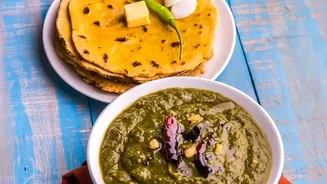
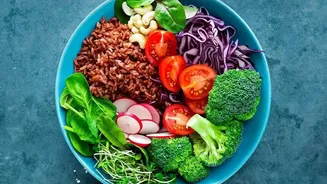
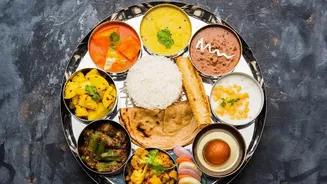
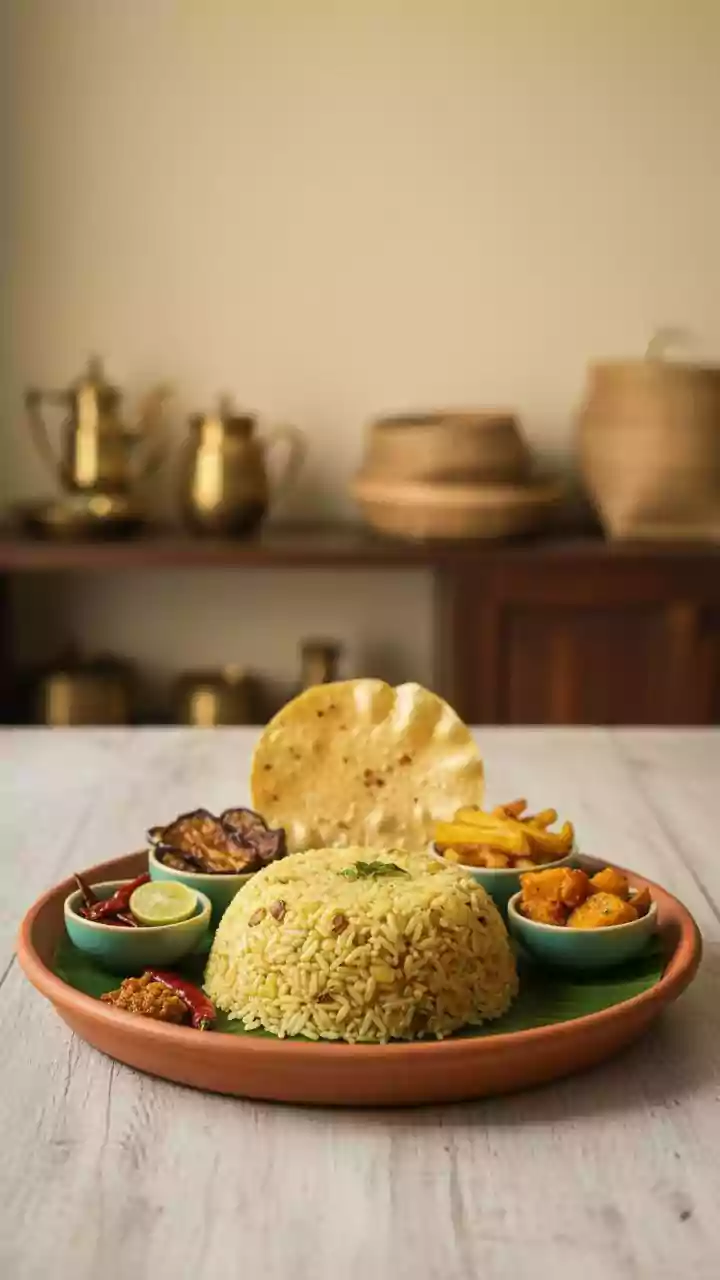
The Indian thali is more than just a platter of food; it's a masterclass in balanced nutrition. It is designed to include a variety of tastes—sweet, sour, salty, bitter, and pungent—while providing a complete mix of carbohydrates, proteins, fats, vitamins, and minerals. It is within this carefully constructed framework that millets find their perfect home. They typically serve as the primary carbohydrate, offering a nutrient-dense alternative to plain rice or wheat rotis, and forming the anchor around which vegetables, lentils, and pickles are arranged.
Maharashtra’s Rustic Bhakri
In Maharashtra, the humble bhakri is a staple, especially in the state's rural heartlands. Made from either jowar or bajra flour, this unleavened flatbread is patted out by hand and cooked on a hot tava. In a typical Maharashtrian thali, a wholesome jowar bhakri is often paired with pithla, a comforting curry made from gram flour, and a fiery green chilli chutney known as thecha. This combination isn't just delicious; it’s a nutritionally complete meal that has sustained farming communities for generations.
Rajasthan’s Hardy Bajra Roti
In the arid landscape of Rajasthan, bajra is the millet of choice. Its ability to thrive in harsh, dry conditions makes it a cornerstone of the region's cuisine. A classic Rajasthani thali often features a thick, rustic bajra roti, generously slathered with ghee. This flatbread is the perfect companion to flavourful dishes like panchmel dal (a mix of five lentils) or gatte ki sabzi. The warming properties of bajra make it particularly popular during the winter months, offering a hearty and deeply satisfying meal.
Karnataka’s Nourishing Ragi Mudde
Head south to Karnataka, and you'll find ragi taking centre stage. Here, finger millet is used to create ragi mudde, dense, soft balls of cooked ragi flour. A staple in the southern parts of the state, ragi mudde is known for being incredibly nutritious, particularly rich in calcium. It is traditionally served with a thin, spicy lentil stew called saaru or bassaru. The custom is to break off a small piece of the mudde, dip it in the gravy, and swallow it whole, allowing the flavours to meld perfectly.
A Return to Ancestral Roots
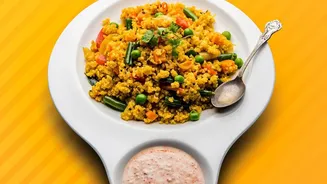
The revival of millets in modern India is more than a dietary trend; it's a rediscovery of our culinary roots. Spurred by a growing awareness of health and sustainability, and supported by initiatives like the UN's International Year of Millets, these grains are finding their way back into urban kitchens and restaurants. From foxtail millet (kangni/thinai) used in pongal to barnyard millet (samak) used in fasting dishes, the sheer variety showcases a rich, diverse, and intelligent food system that has always prioritised local, seasonal, and nourishing ingredients.