



An Ambitious Transformation
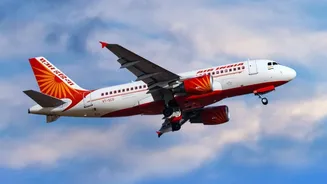
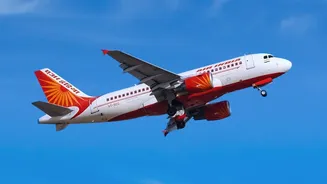
Since the Tata Group regained control of Air India in 2022, its mission has been clear: transform the airline from a legacy carrier burdened by years of underinvestment into a world-class global competitor. This isn't just about a fresh coat of paint.
It's a fundamental rebuild of the entire commercial architecture, from the planes in the sky to the technology on the ground and the service offered to passengers. Key shareholder Singapore Airlines, which holds a 25.1% stake, has acknowledged that a transformation of this magnitude will take considerable time and investment to achieve its goal of profitable growth.
The High Cost of Modernisation
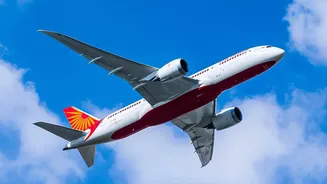
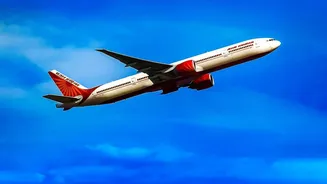
The massive loss figure is primarily driven by staggering, but necessary, capital expenditure. A central pillar of the turnaround is a historic fleet renewal. Air India has placed orders for hundreds of new aircraft from Airbus and Boeing. This includes both narrowbody jets for domestic routes and a significant number of widebody aircraft to expand its international network. Beyond buying new planes, the airline is undertaking a wide-scale retrofitting of its existing fleet, which includes introducing new cabin classes like Premium Economy to attract high-value travellers. These investments are designed to reverse years of operating with an ageing and inefficient fleet, a move critical for long-term competitiveness.
Integrating an Empire
Another significant expense is the complex and costly integration of multiple airlines. The merger of Vistara with Air India, which was completed in late 2024, and the consolidation of low-cost carriers Air India Express and AIX Connect, are massive operational undertakings. While the goal is to unlock synergies and create structural cost efficiencies, the process itself involves immense upfront costs. These include aligning reservation systems, loyalty programs, operational procedures, and, most complex of all, integrating thousands of employees with different work cultures. These integration costs are a substantial contributor to the current financial results.
Investing in People and Technology
The turnaround extends beyond just hardware. Air India is pouring significant resources into upgrading its technology and retraining its workforce to elevate customer service. This involves everything from modernising its retailing and sales platforms to rebuilding its loyalty program, now known as Maharaja Club, to align with global best practices. Under its new leadership, the airline has also focused on instilling a new culture of frugality and accountability to improve operational efficiency. However, these essential upgrades to people and systems require heavy investment before they begin to yield financial returns.
A Long-Term Bet on Indian Aviation
While the headline loss is substantial, it appears to be moderating. Reports based on Singapore Airlines' financial disclosures suggest the loss for the first half of FY27 is an improvement over the same period last year, when it was estimated to be around Rs 12,500 crore. This indicates that some of the cost-saving and restructuring efforts are beginning to take effect. Both Tata Sons and Singapore Airlines view this as a long-term strategic play on the immense potential of the Indian aviation market, one of the fastest-growing in the world. The current losses are seen as the price of admission to build an airline that can compete on a global scale.