





Why Jibhi is Different
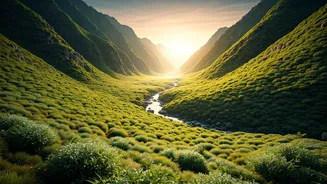
Nestled in Himachal’s Tirthan Valley, Jibhi is the antidote to the over-commercialisation plaguing many popular mountain destinations. For years, it remained a secret whispered among backpackers and nature lovers. While the secret is getting out, its
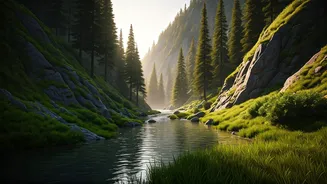
soul remains intact. There are no sprawling five-star resorts or noisy mall roads here. Instead, you'll find charming wooden homestays, small cafes, and vast stretches of pristine wilderness. The village is a gateway to the Great Himalayan National Park, a UNESCO World Heritage Site, which has helped preserve the region's fragile ecosystem. The local community is deeply connected to nature, practicing a form of eco-tourism that prioritises sustainability over scale. This isn't a place you come to for frantic sightseeing; you come to Jibhi to slow down, breathe, and reconnect.
The Magic of Camping over Concrete
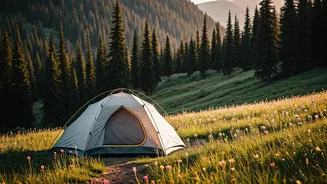
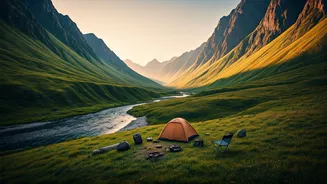
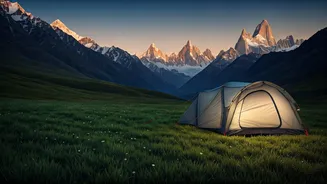
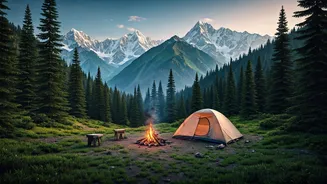
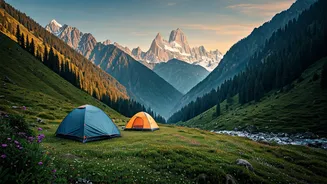
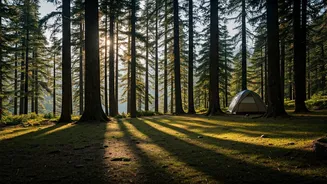
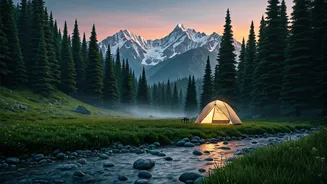
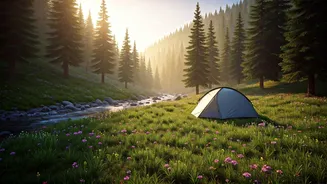
A hotel room, no matter how luxurious, insulates you from the very environment you came to experience. Camping, on the other hand, immerses you in it. Choosing a tent in Jibhi over a room is choosing a fundamentally different kind of holiday. Instead of an alarm clock, you’ll wake up to the chirping of Himalayan birds. Your first view of the day won't be a television screen, but dewdrops on pine needles and the sun rising over a distant peak. Evenings are spent not in a crowded bar, but around a crackling bonfire, sharing stories under a sky bursting with stars, unobscured by city pollution. It’s a sensory experience: the scent of pine in the air, the cool rush of the Tirthan River nearby, the simple, hearty taste of a meal cooked over an open fire. This is travel at its most elemental and deeply restorative.
Finding Your Perfect Patch of Earth
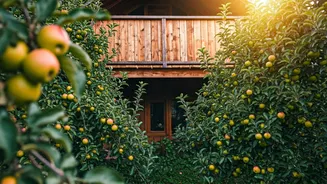
Jibhi and its surrounding areas offer a variety of camping experiences to suit different comfort levels. You don’t need to be a seasoned trekker to enjoy it. Many local operators and riverside cafes have pre-pitched tents that come with comfortable bedding and access to clean, shared washrooms. These are perfect for beginners. You can find camps set up right beside the Tirthan River, in apple orchards, or nestled deep within pine forests. For the more adventurous, a trek to the stunning Jalori Pass (3,120 meters) opens up options for high-altitude camping with panoramic views of the Himalayas. A bit of online research will reveal numerous eco-camps and homestays that facilitate camping. Always book in advance, especially during peak seasons (April-June and September-November), and confirm what amenities are included.
Essential Packing and Practical Tips
Packing for a camping trip in the mountains requires a bit of planning. Layers are your best friend. Even in summer, evenings in Jibhi can get chilly, so pack a fleece jacket and a windproof outer layer. Sturdy walking shoes are non-negotiable. Other essentials include a reliable power bank (electricity can be erratic), a personal torch or headlamp, insect repellent, a basic first-aid kit with medication for common ailments, and sunscreen. Don’t expect seamless 4G connectivity; consider it a blessing and a chance for a digital detox. Carry some cash, as ATMs are few and far between. Most importantly, pack a mindset of flexibility and a deep respect for nature. Leave your campsite cleaner than you found it.
Exploring Beyond the Campsite
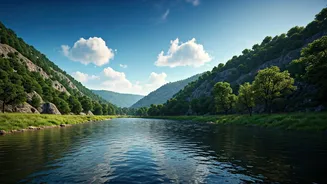
While the main attraction is the serene experience of camping itself, Jibhi offers plenty to explore. Take a short, rewarding trek to Serolsar Lake, a tranquil body of water surrounded by thick forest near Jalori Pass. Visit the ancient Chehni Kothi, a towering Kath-Kuni style structure that offers a glimpse into the region’s architectural heritage. Go for a leisurely walk along the river, try your hand at angling for trout (with a permit), or simply find a quiet spot in a meadow with a book. The local dhabas and cafes serve delicious Himachali food and fresh-caught trout. The beauty of a Jibhi trip is that there’s no pressure to tick off a list of 'must-dos'. The main agenda is to simply be.