



Naoshima: The Art Island
Imagine an entire island transformed into a contemporary art museum. Welcome to Naoshima, a small island in the Seto Inland Sea. Once a sleepy fishing community, it has been reinvented as a world-class destination for art lovers. The landscape is dotted
with museums designed by famed architect Tadao Ando, outdoor sculptures, and unique art projects housed in old buildings. The most iconic piece is Yayoi Kusama’s 'Yellow Pumpkin' perched on a pier. However, the experience goes deeper, with stunning sites like the Chichu Art Museum, built mostly underground to preserve the natural scenery and featuring works by Claude Monet and James Turrell. Naoshima isn't just about viewing art; it's about experiencing it in harmony with nature and architecture, offering a peaceful and creative escape.
Koyasan: A Spiritual Mountain Retreat
For a truly profound experience, consider an overnight stay at a Buddhist temple on Mount Koya, or Koyasan. This sacred mountain is the heart of Shingon Buddhism and a UNESCO World Heritage site. More than 50 temples in the area offer 'shukubo', or temple lodging, where visitors can get a glimpse into the monastic life. A stay typically includes participation in morning prayers, meditation sessions, and eating 'shojin ryori', a traditional vegetarian Buddhist cuisine that is both beautiful and delicious. The area is also home to Okunoin, Japan’s largest cemetery, a mystical place with towering cedar trees and ancient gravestones. A guided night tour through this atmospheric cemetery is an unforgettable highlight.
Yakushima: The Enchanted Forest Island
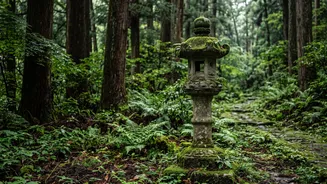
A designated World Natural Heritage Site, Yakushima is a subtropical island off the coast of Kyushu, often called the 'Alps of the Ocean'. It is famed for its ancient cedar forests, with some trees, known as 'yakusugi', estimated to be thousands of years old. The moss-covered forests are so ethereal that they inspired the landscapes in the Studio Ghibli film 'Princess Mononoke'. The island is a paradise for hikers, with trails winding through lush ravines and past stunning waterfalls. Due to its remote location and notoriously rainy weather, planning a trip here requires flexibility, but the reward is an encounter with some of Japan’s most primal and powerful nature.
Tottori Sand Dunes: A Surprising Desert Landscape
Deserts and sand dunes are probably not the first things that come to mind when you think of Japan, which is what makes the Tottori Sand Dunes so surprising. Located along the coast of the Sea of Japan, this is the country's largest sand dune system, stretching for nearly 16 kilometres. The landscape is constantly reshaped by wind and tides, creating an ever-changing vista. Visitors can explore the dunes on foot, take a leisurely camel ride for a unique photo opportunity, or try more adventurous activities like paragliding and sandboarding. Nearby, The Sand Museum showcases incredible, large-scale sculptures made entirely of sand by artists from around the world.
Matsumoto Castle: The Solemn 'Crow Castle'
While many visitors flock to the magnificent white Himeji Castle, Matsumoto Castle in Nagano Prefecture offers a different, but equally compelling, experience. Known as 'Karasu-jo' or 'Crow Castle' due to its striking black exterior, it is one of Japan's few remaining original castles. Unlike hilltop castles, Matsumoto is a 'hirajiro', built on a plain, and its dark form reflected in the surrounding moat is a dramatic sight. The interior retains its original wooden structures, offering an authentic feel of a 16th-century fortress, complete with steep wooden stairs and displays of armour. It provides a more intimate and atmospheric alternative for those interested in Japan's samurai history.