




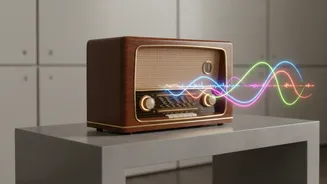

The Viral Rebirth on Social Media
A new generation of Indian listeners is embracing the music of their parents and grandparents. On platforms like Instagram Reels and YouTube Shorts, clips of songs from the 60s to the 90s are racking up millions of views. Tracks like 'Pehla Nasha' (1992)
and even 'Aaja Piya Tohe Pyaar Doon' (1967) are finding a second life, used in everything from romantic couple videos to calming aesthetic edits. This digital discovery is turning classics from Lata Mangeshkar, Kishore Kumar, and Mohammed Rafi into the trendiest sounds on the internet. The phenomenon extends beyond Bollywood; the soulful poetry and unhurried pace of ghazals by artists like Mehdi Hassan and Jagjit Singh are also finding a young, dedicated audience seeking solace and depth.
The 30-Second Hook and the Lo-Fi Remix
The mechanics of this trend are distinctly modern. Short-form video platforms isolate the most potent part of a song—the melodic hook or a powerful line—and give it new context. This bite-sized exposure acts as a gateway for younger listeners who then seek out the full song on streaming services. Furthermore, the rise of 'lo-fi' and 'slowed + reverb' remixes has been a game-changer. These modern interpretations soften the original production, adding a chill, contemporary vibe that makes vintage tracks feel both fresh and timeless. Playlists dedicated to Bollywood lofi are booming, presenting classics in a format that's perfect for studying, relaxing, or late-night drives.
A Search for Authenticity and 'Soul'
For many young listeners, this trend is a reaction to the perceived homogeneity of some modern music. They describe older songs as having more 'soul,' emotional honesty, and lyrical depth. In an era of autotune and algorithm-driven hits, the raw vocals and intricate instrumentation of vintage tracks offer a sense of authenticity. The poetry in ghazals and older film songs explores universal themes of love, longing, and heartbreak with a nuance that resonates deeply. This search for meaning is less about rejecting the new and more about expanding their musical palate with songs that feel emotionally rich and thoughtfully crafted.
Nostalgia and Inter-Generational Connection
While many Gen Z fans don't have direct nostalgia for the eras producing this music, they are experiencing a form of inherited nostalgia. Hearing these songs often sparks conversations with parents and grandparents, creating a bridge between generations. What once was background music in their childhood homes is now a shared cultural touchstone. This connection provides a sense of belonging and roots. For some, it's also a way to build a unique identity, moving beyond mainstream trends to curate a playlist that is both personal and culturally significant. The music becomes a soundtrack not just to their lives, but to their family's collective memory.
The Industry Takes Notice
The music industry is paying close attention to this organic revival. Streaming platforms are curating popular playlists dedicated to retro hits and lofi remixes, recognizing the significant engagement from the 18-24 age group. Record labels are re-evaluating the commercial potential of their back catalogs. This trend has also influenced contemporary music, with modern artists and composers blending traditional elements into new songs, confident that there is a receptive young audience. This quiet resurgence proves that in the digital age, a great song never truly fades; it just waits for the right platform to be discovered all over again.