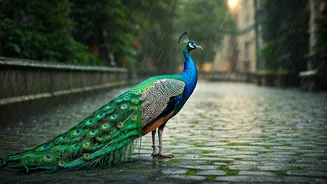









The Peacocks of Pedder Road
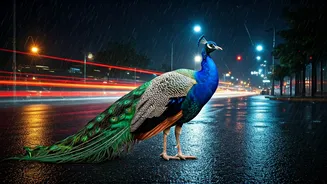
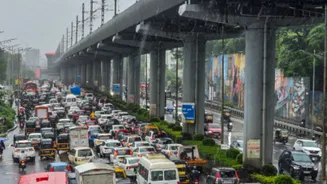
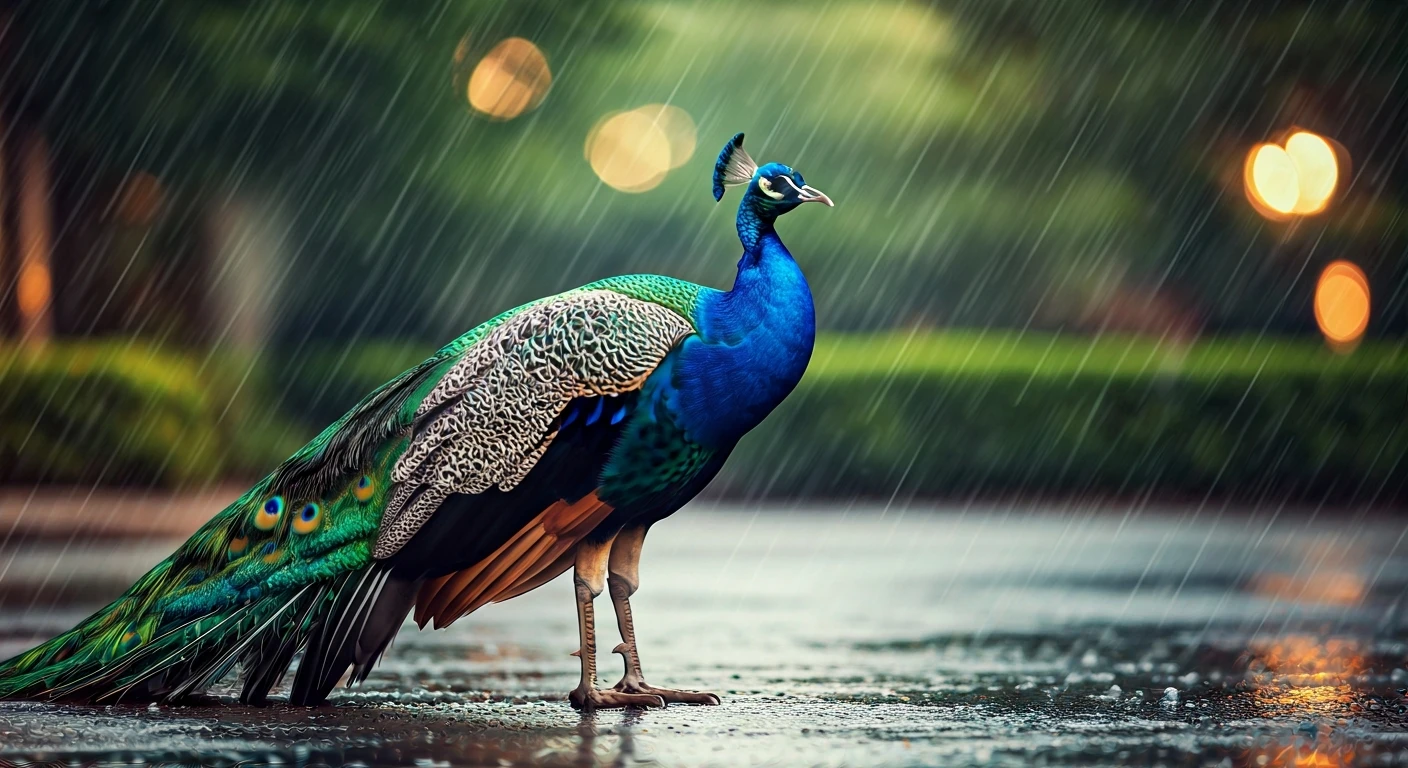
Perhaps the most regal of the recent visitors have been peacocks, spotted taking a casual stroll down one of South Mumbai's busiest and most iconic arteries: Pedder Road. On June 24, shortly after the first heavy showers drenched the city, videos of a peacock and peahen
navigating the urban rush went viral. Seemingly unfazed by the traffic, the birds became an instant sensation, with residents stopping to capture the surreal sight of vibrant plumage against a backdrop of high-rises. Another was seen perched gracefully on a balcony railing, creating a striking image that was shared widely online. Experts and long-time residents suggest the birds likely wandered down from the leafy, quiet environs of nearby Malabar Hill and the Doongerwadi forest area, encouraged by the cooler temperatures and refreshed greenery that the monsoon provides. For a moment, the city's relentless pace paused to appreciate these majestic birds claiming their fifteen minutes of fame.
The Uninvited Reptilian Guests
While peacocks are a delightful surprise, the rain also forces less welcome creatures out of their habitats. Snakes, seeking dry shelter from flooded burrows, have been making appearances across the city. Increased snake sightings are a common feature of the monsoon in Maharashtra. In one recent incident, a baby Indian rock python was discovered inside a railway engine at Chhatrapati Shivaji Maharaj Terminus late one night. Railway staff promptly alerted wildlife rescuers, who safely captured the hatchling around 1:40 AM, ensuring no disruption to train services. In a separate event, a ten-foot-long Indian Rock Python was rescued from a residential society in Mulund. Wildlife welfare groups explain that heavy rains often displace reptiles, leaving them exhausted and lost as they search for a way back to their natural homes, like the nearby Sanjay Gandhi National Park. Officials urge citizens not to panic but to contact the forest department or trained rescuers.
A Glimpse of Dolphins Off the Coast
The monsoon's influence isn't limited to land. The altered coastal conditions often bring marine life closer to shore. There have been several recent reports and viral videos of dolphins near Mumbai's coast, including sightings off Carter Road in Bandra. While Indian Ocean humpback dolphins are known to inhabit these waters, seeing them so close to the city's edge remains a rare and magical experience for most Mumbaikars. These sightings often spark discussions online about the health of the marine ecosystem. Some observers note that reduced fishing and shipping activity, sometimes associated with rough monsoon weather, may encourage the dolphins to venture nearer. For those lucky enough to spot them from the Worli waterfront or Bandra's promenades, the sight of a pod gliding through the water serves as a powerful reminder of the rich biodiversity just beyond the concrete jungle.
The Urban Ecosystem's Brief Reveal
These animal encounters are more than just isolated, viral moments; they are a direct consequence of the monsoon's dramatic impact on the urban ecosystem. The rains rejuvenate plant life, cool the air, and, most critically, flood the natural habitats of many creatures, forcing them into human-dominated spaces. Animal welfare organisations report a significant increase in rescue calls for displaced birds and other animals during this season. For a few months each year, the dividing line between Mumbai's concrete world and its surprisingly resilient natural one becomes blurred. While many of the city's natural habitats, like its wetlands and grasslands, are under constant threat from urbanisation, the monsoon serves as an annual reminder that we are not the only residents. From the flamingos that grace the mudflats to the rare birds driven inland by cyclonic winds, the season pulls back the curtain on a complex web of life that co-exists with the city's 20 million people.