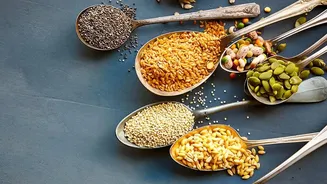





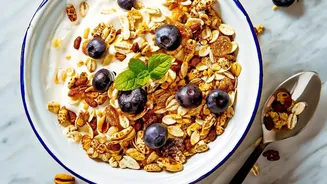
Managing diabetes often starts with the first meal of the day. A balanced breakfast is crucial for setting a stable blood sugar baseline. Adding nutrient-dense seeds can be a simple, powerful way to boost your morning meal with essential micronutrients.
1. Chia Seeds
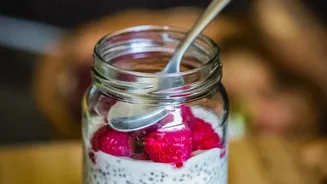
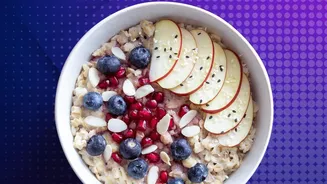
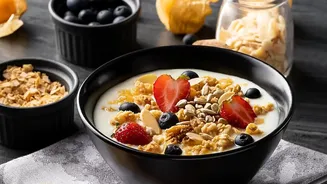
These tiny black seeds are a nutritional powerhouse, especially for a diabetes-friendly diet. They are exceptionally rich in soluble fibre, which forms a gel-like substance in the stomach. This process slows down the digestion and absorption of carbohydrates, helping to prevent sharp spikes in blood sugar after a meal. A one-ounce serving also packs a significant amount of magnesium, a mineral linked to improved insulin sensitivity. Low magnesium levels are often associated with insulin resistance, making chia seeds a valuable addition. They are also a great source of plant-based omega-3 fatty acids, which help reduce inflammation, a key concern in diabetes management. How to use them: Stir one or two tablespoons into oatmeal, yoghurt, or a smoothie. You can also make a simple chia pudding by soaking the seeds in unsweetened almond milk overnight.
2. Flax Seeds
Flax seeds, also known as linseeds, offer a potent combination of fibre, healthy fats, and unique plant compounds called lignans. The high fibre content contributes to their low glycemic index, meaning they have a minimal impact on blood sugar levels. Research suggests that regular consumption of flax seeds may improve insulin sensitivity and help with blood sugar regulation. The lignans in flax act as antioxidants, which can help combat oxidative stress associated with diabetes. For maximum benefit, it's best to consume flax seeds in their ground form, as the whole seeds can be difficult for the body to digest and absorb all the nutrients. How to use them: Sprinkle ground flaxseed over cereal or fruit salad. It can also be blended into smoothies or used as a flour substitute in diabetes-friendly baking recipes.
3. Pumpkin Seeds
Often enjoyed as a snack, pumpkin seeds are an excellent source of several key micronutrients for diabetes management, most notably magnesium and zinc. Magnesium is vital for hundreds of bodily reactions, including those that help regulate blood sugar and insulin action. Diets rich in magnesium are associated with a lower risk of type 2 diabetes. Zinc plays a role in insulin production and storage. Furthermore, pumpkin seeds provide healthy fats and protein, which promote satiety and help blunt post-meal glucose spikes. Some limited studies have even found that consuming pumpkin seeds can help lower blood sugar levels after a high-carb meal. How to use them: Eat a small handful raw or dry-roasted (unsalted). You can also sprinkle them on top of avocado toast, salads, or blend them into a homemade seed butter.
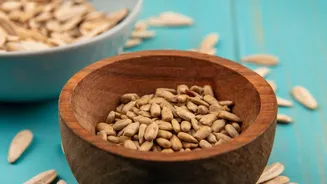
4. Sunflower Seeds
Sunflower seeds are packed with nutrients that can support blood sugar control and heart health. They are a fantastic source of vitamin E, a potent antioxidant that helps fight inflammation. Chronic inflammation can worsen insulin resistance, so including anti-inflammatory foods is beneficial. These seeds also contain magnesium and protein, which contribute to stable blood sugar. The healthy unsaturated fats in sunflower seeds, particularly linoleic acid, may also help lower cholesterol and blood pressure, which are important considerations for individuals with diabetes who are at a higher risk for cardiovascular issues. Some studies suggest daily intake of sunflower seeds may help reduce fasting blood sugar over time. How to use them: Add unsalted sunflower seeds to salads for a satisfying crunch or mix them into a trail mix with other nuts and seeds. They can also be stirred into yoghurt.
5. Hemp Seeds
Hemp seeds have a great nutritional profile for a diabetes friendly breakfast. They are considered a complete protein, meaning they contain all nine essential amino acids. Protein helps slow the absorption of sugar into the bloodstream and promotes a feeling of fullness, which can aid in weight management. Hemp seeds are also rich in fibre and healthy omega fatty acids, which reduce inflammation and support heart health. The combination of protein, fibre, and fat helps to stabilize energy levels and prevent the blood sugar roller coaster. How to use them : Hemp seeds have a mild , nutty flavour . Sprinkle them on oatmeal , blend them into smoothies for a protein boost , or mix them into homemade granola.