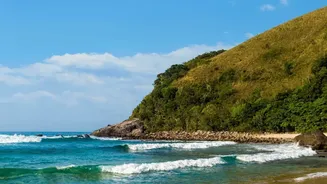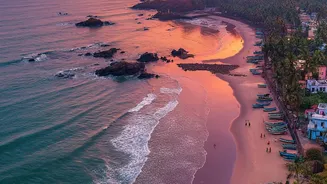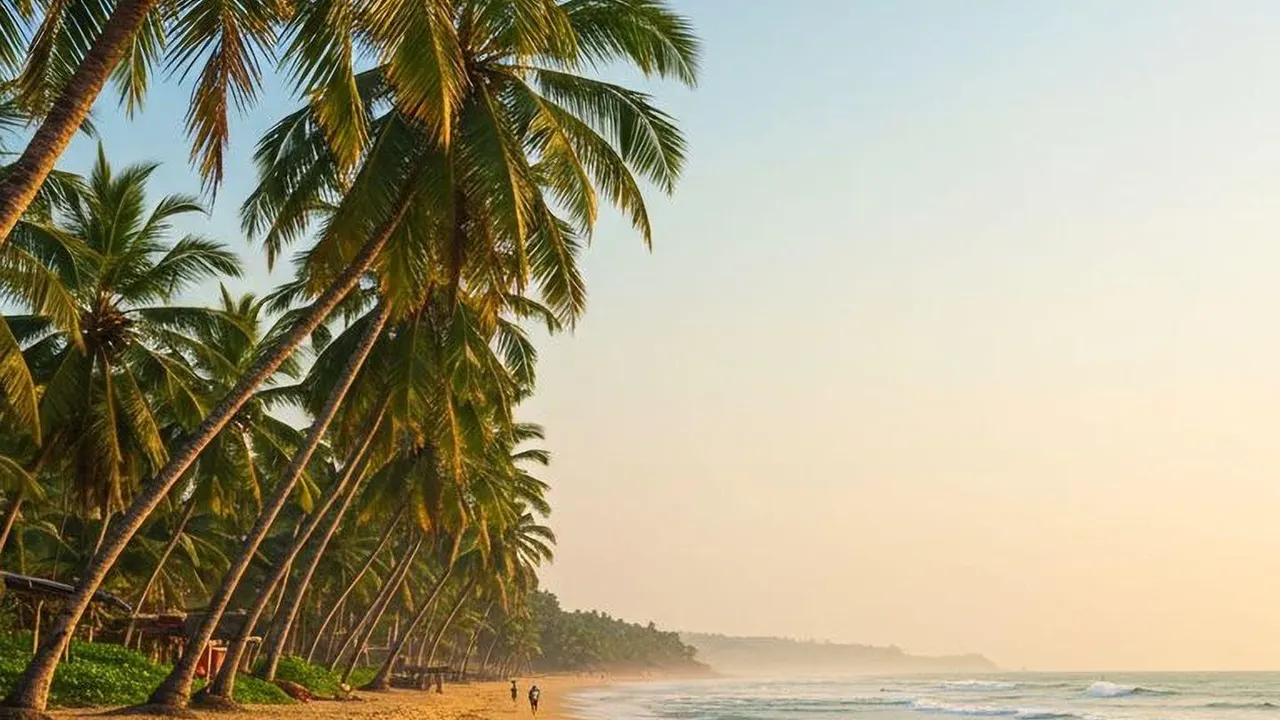






Goa's sun-drenched coastline is legendary, but now two of its beaches have earned a prestigious international nod for their pristine conditions and tranquil vibes. Mandrem and Galgibaga have officially received a top global environmental award.
A Global Stamp of Approval
In a proud
moment for Indian tourism, Mandrem Beach in North Goa and Galgibaga Beach in South Goa have been awarded the coveted International Blue Flag for the 2026-27 season. This recognition comes from the Foundation for Environmental Education (FEE), a world-renowned body that evaluates beaches on stringent criteria. Think of it as a gold standard for coastal destinations. To earn the Blue Flag, a beach must excel in four key areas: environmental education, water quality, environmental management, and safety. The announcement on November 20, 2026, confirmed that both beaches met these high standards, cementing their status as some of the best-managed and cleanest in the world.
Mandrem: The North's Quiet Corner
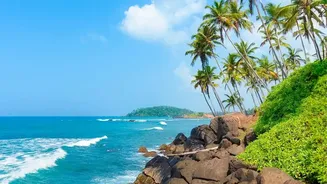
While North Goa is often associated with bustling markets and vibrant nightlife, Mandrem offers a welcome contrast. It’s known for its scenic, wide shoreline and a generally peaceful atmosphere that sets it apart from its more crowded neighbours. The Blue Flag award specifically celebrates its 'scenic shoreline, coastal vegetation and natural setting'. For visitors, this translates to a clean, safe, and visually stunning environment perfect for long walks, quiet mornings, and unwinding without the usual commotion. Its calm vibe has long made it a favourite for those seeking yoga retreats and a more relaxed pace of life. This award reinforces what many travellers have already discovered: Mandrem is a sanctuary of serenity in the lively north.
Galgibaga: The Turtle's Paradise
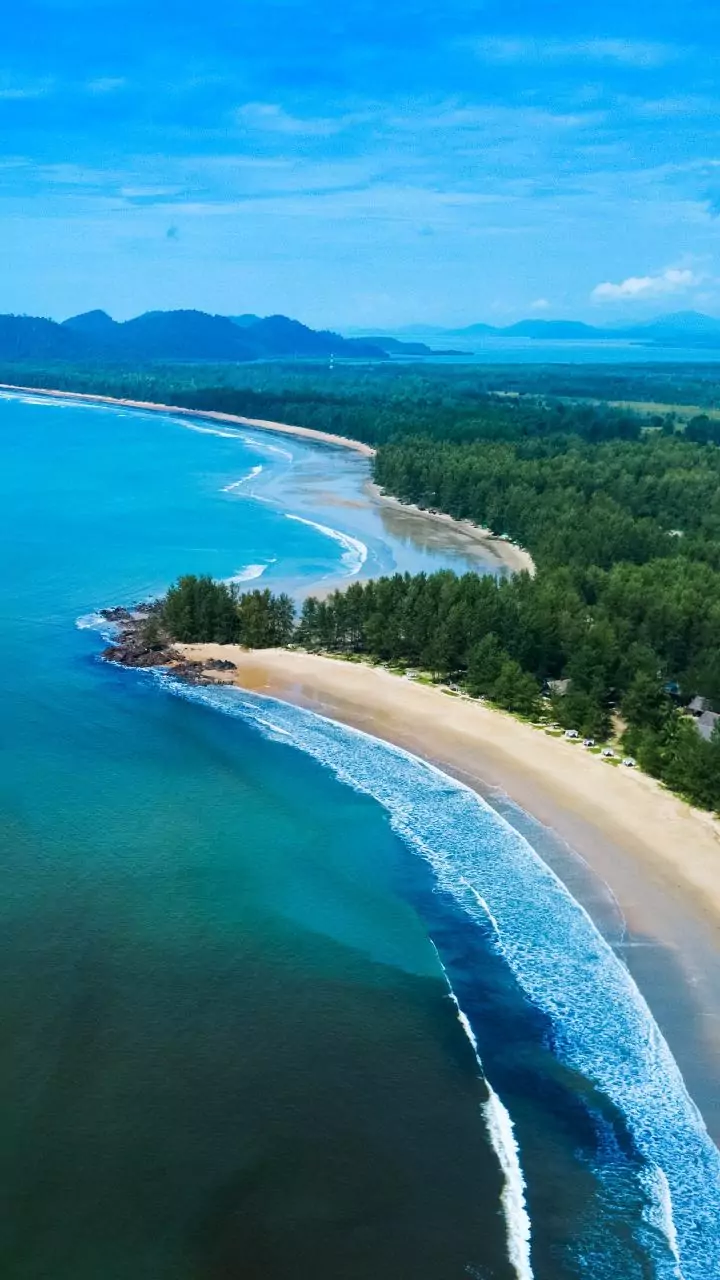
Journey to the southern tip of Goa and you'll find Galgibaga, a beach celebrated for its raw, undisturbed beauty. Often called 'Turtle Beach', it is one of Goa's most important nesting sites for the endangered Olive Ridley turtle. This ecological significance is a major reason for its Blue Flag recognition. The area is largely non-commercialised, with very few shacks, which helps preserve its pristine condition and makes it a haven for those looking to escape the crowds. The beach is a long, quiet stretch of clean sand and clear water, ideal for solitude and connecting with nature. The conservation efforts here mean that development is limited, ensuring the beach remains a peaceful refuge for both wildlife and humans.
What This Means for Goa
This dual award is a significant achievement, highlighting Goa's growing commitment to sustainable and responsible tourism. Goa's Tourism Minister, Rohan A. Khaunte, noted that the recognition marks a milestone in the state's journey towards 'regenerative tourism', where environmental conservation and visitor experience go hand in hand. It signals a shift beyond the party-centric image, showcasing the state's diverse offerings. For travellers, it provides a clear guide to beaches that are not only beautiful but also clean, safe, and managed with respect for the local ecology. As more people seek out authentic and peaceful travel experiences, destinations like Mandrem and Galgibaga are set to become even more cherished.
Planning Your Serene Getaway
Inspired to visit these award-winning shores? The best time to experience Goa's pleasant weather is from November to February. Galgibaga, in particular, offers the chance to see turtle nesting during the winter months. Located in the Canacona region of South Goa, Galgibaga is best reached by road, though the final approach can be rugged. Mandrem is situated in North Goa, tucked between Ashwem and Arambol, making it accessible yet peacefully set apart. When visiting, especially a protected area like Galgibaga, responsible tourism is key. This means respecting the natural environment, avoiding litter, and not disturbing wildlife nesting sites. By doing so, visitors can help ensure these beaches retain their Blue Flag status for years to come.