



What Exactly Is the Skin Barrier?
Think of your skin's outermost layer, the stratum corneum, as a brick wall. The 'bricks' are tough skin cells called corneocytes, and the 'mortar' holding them together is a lipid mixture of ceramides, cholesterol, and fatty acids. This wall does two
critical jobs: it keeps moisture and vital nutrients in, and it keeps harmful pollutants, bacteria, and irritants out. When your barrier is intact, your skin feels hydrated, calm, and strong. It’s your body's first line of defense against the outside world, making it essential for your overall health.
Why the Enduring Obsession?
The focus on barrier care is a direct response to an era of overdoing it. For years, the pursuit of a flawless glow led many to overuse high-strength acids, retinoids, and harsh exfoliants, leading to widespread sensitivity and irritation. By 2026, consumers and brands have embraced a 'less is more' philosophy. The new question isn't "What can I strip away for a quick fix?" but rather "What does my skin need to be strong and healthy long-term?". This shift prioritizes skin health and resilience over temporary, often irritation-based results, moving from a corrective to a preventative mindset.
Signs Your Barrier Needs Help
A compromised skin barrier will often send clear distress signals. One of the most common signs is persistent tightness and dryness, even after you’ve applied moisturizer. You might also notice increased sensitivity, where products that were once fine now cause stinging or burning. Other tell-tale signs include redness, itchiness, flaky patches, and even a sudden increase in acne breakouts, as a weakened barrier can allow bacteria to penetrate more easily. If your skin feels uncomfortable more often than not, it's likely your barrier is asking for support.
Your Barrier-Repair Toolkit
Repairing your skin barrier involves using ingredients that replenish its natural structure. Ceramides are considered the gold standard, as they make up about 50% of the skin's lipid 'mortar' and help restore its integrity. Hyaluronic acid and glycerin are powerful humectants that draw moisture into the skin, helping with hydration. Niacinamide (a form of Vitamin B3) is another hero ingredient; it not only supports the barrier but also calms inflammation and reduces redness. Finally, ingredients like squalane, jojoba oil, and shea butter provide fatty acids that nourish and protect without feeling heavy.
Simple Steps to a Stronger Barrier
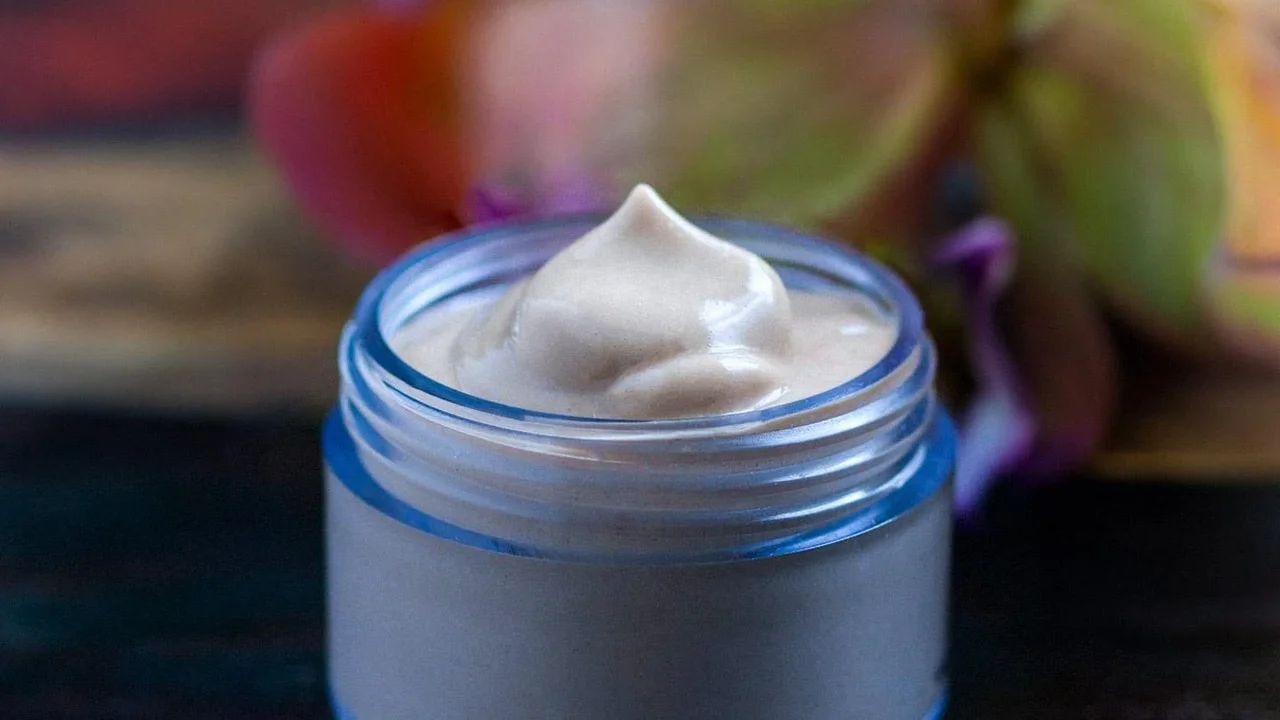
You don't need to throw out your entire routine to focus on barrier health. The key is to simplify and be gentle. Start with a mild, pH-balanced cleanser that doesn't leave your skin feeling squeaky clean or tight. Reduce the frequency of exfoliation; instead of daily acids, try using them just a few times a week. The most crucial step is to moisturize daily with a product rich in barrier-supporting ingredients like ceramides and fatty acids. And, of course, applying a broad-spectrum sunscreen every single day is non-negotiable, as sun exposure is a major cause of barrier damage.
Common Mistakes to Avoid
The fastest way to damage your skin barrier is through overly aggressive habits. Over-exfoliating with physical scrubs or chemical acids is a primary culprit, as it strips away the protective lipid layer. Using harsh, high-pH cleansers that create a tight feeling can also disrupt skin function. Another common mistake is introducing too many new, potent active ingredients at once without giving your skin time to adjust. Even things like washing your face with very hot water or skipping moisturizer can weaken your skin's defenses over time. Patience and consistency are your best tools for recovery.