





A Language of Identity and Heritage
Indian ethnic wear is a powerful form of cultural expression. [8] It's a sartorial language that communicates heritage, social status, and regional identity without a single word being spoken. [19] From a hand-embroidered Phulkari dupatta in Punjab to a pristine
white and gold Kasavu saree in Kerala, each garment tells a story of its origin. [17] This diversity is India's greatest fashion asset; it offers an endless vocabulary of styles, textures, and silhouettes that are deeply personal and collectively cherished. [7, 8] Wearing these garments for festivals, ceremonies, or even daily life is a way of connecting with one's roots and celebrating a shared history that has withstood centuries of change. [2, 3, 6]
The Unmatched Artistry of Regional Textiles
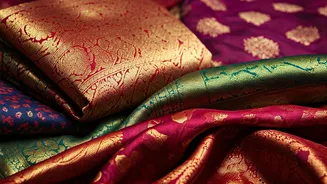
At the heart of this style story is the unparalleled craftsmanship of India's textile traditions. [13] Each region has developed its own specialities based on local climate, resources, and history. [22] Think of the opulent Banarasi silk brocades from Uttar Pradesh, with motifs inspired by Mughal art, or the intricate Kanjeevaram silks from Tamil Nadu, known for their durability and heavy zari borders. [7, 11] In Gujarat and Rajasthan, artisans practice Bandhani and Leheriya, tie-dye techniques that produce vibrant, joyful patterns perfect for the desert landscape. [6] Meanwhile, the resist-dyeing technique of Ikat from Odisha and Telangana creates stunning, geometric designs, and the delicate Chikankari shadow-work from Lucknow transforms simple cotton into an ethereal heirloom. [11, 13] These are not just fabrics; they are works of art, often requiring weeks or months of meticulous handwork. [6]
The Modern Renaissance of Handloom
In an era dominated by fast fashion, Indian ethnic wear is experiencing a powerful revival, championed by a growing consciousness around sustainability and artisanship. [18, 21] Handloom, once seen as traditional, is now a statement of mindful consumption. [24] The handloom sector is India's largest cottage industry, supporting millions of weavers and artisans, primarily in rural areas. [14] By choosing handwoven fabrics, consumers are not only preserving ancient crafts but also supporting local economies and eco-friendly practices. [7, 24] This movement has been amplified by designers who are placing these textiles on the global stage, proving that heritage and modernity can coexist beautifully. [18]
From Traditional Roots to Contemporary Runways
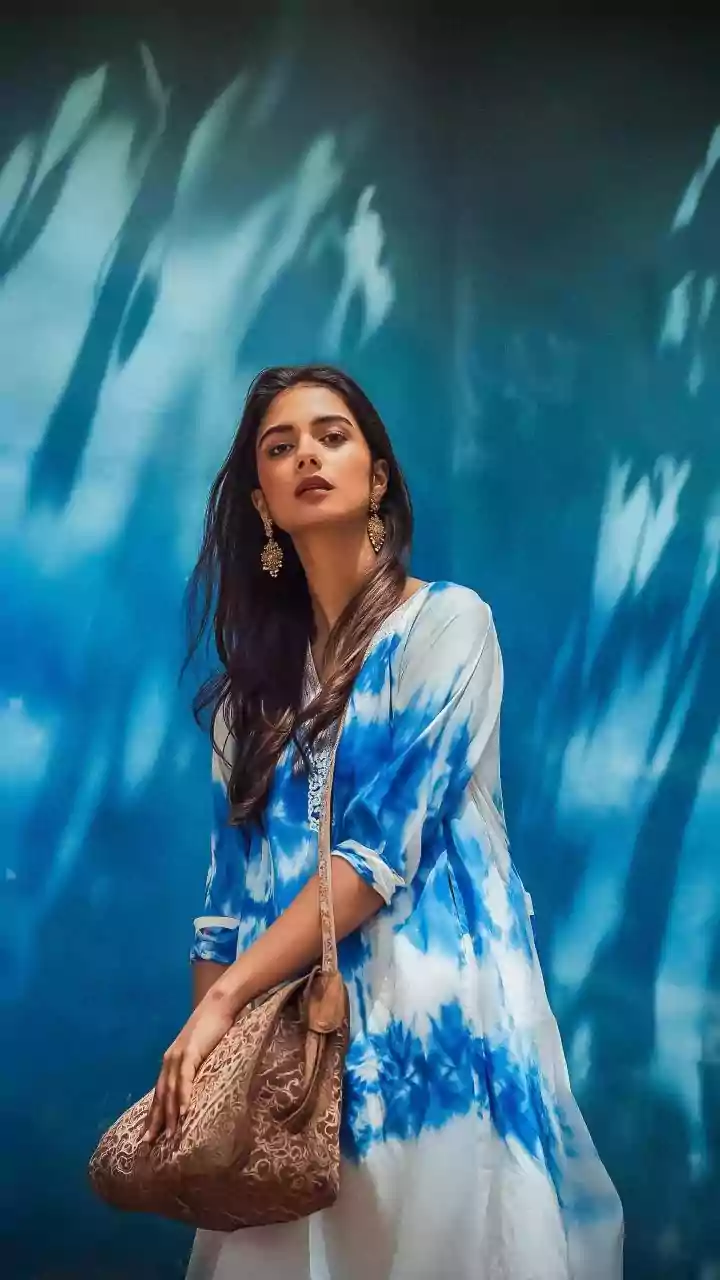
Contemporary Indian designers have played a pivotal role in ensuring ethnic fashion remains relevant and exciting. [6] Pioneers like Ritu Kumar have dedicated their careers to reviving heritage textiles, while designers such as Sabyasachi Mukherjee and Tarun Tahiliani have blended traditional crafts with modern tailoring to redefine bridal and couture wear. [5, 16] Others, like Anita Dongre, have focused on sustainable practices, incorporating crafts like Rajasthani block printing into accessible, contemporary collections. [5] The rise of Indo-Western fusion wear—from crop top lehengas to saree gowns—has made these styles more versatile for younger generations, proving that you don't have to choose between your heritage and a modern aesthetic. [8, 6]