



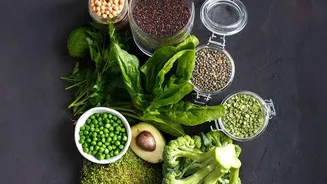

The Real Meaning of 'Natural'
The word 'natural' is one of the most powerful terms in food marketing, suggesting a product is wholesome and minimally processed. However, its official definition is quite specific. According to the Food Safety and Standards Authority of India (FSSAI),
a food can only be called 'natural' if it is a single-ingredient product from a plant, animal, or mineral source. It should not have anything added to it and should only have undergone basic processing like washing, peeling, cutting, or drying that doesn't fundamentally alter its nature. This means composite foods, like biscuits or juices with multiple ingredients, cannot be described as 'natural' themselves. They can, however, claim to be 'made from natural ingredients' if every single component meets the criteria, a distinction many labels gloss over.
The Regulator's Role
FSSAI is the primary body governing food labels in India, through regulations like the Food Safety and Standards (Advertising and Claims) Regulations, 2018. These rules are meant to ensure claims are truthful, unambiguous, and not misleading. For instance, claims about preventing or curing a disease are generally prohibited for food products. The Advertising Standards Council of India (ASCI) also plays a role by monitoring advertising ethics and reviewing consumer complaints about misleading ads. However, studies and reports show that enforcement can be inconsistent, and many products still feature questionable claims. A 2026 report by LabelBlind, an AI-led service, found that 52.5% of nutrient or health claims on packaged foods were noncompliant, creating a misleading 'health halo' even on products high in sugar or fat.
The '100%' Problem and Other Buzzwords
Terms like 'pure', 'real', 'authentic', and 'traditional' are also regulated but often used loosely. The claim '100% natural' became so widespread and misused that in May 2025, FSSAI specifically advised businesses to stop using such absolute claims unless they could be unequivocally proven. The problem is that a product might be marketed as '100% Natural' because its main ingredient is natural, even if it also contains synthetic additives or preservatives. Similarly, a 'No Added Sugar' claim doesn't mean a product is low in sugar; it might still be high in naturally occurring sugars from fruit concentrates, a fact that should be disclosed. These nuances are often lost in the bold print on the front of the pack.
How to Be a Smarter Shopper
The single most important skill for a consumer is to ignore the front of the packet and read the back. The front is for selling, but the back tells the truth. Start with the ingredient list, which FSSAI mandates must be in descending order of weight. The first three ingredients make up the bulk of the product. If sugar, maida, or palm oil are at the top of the list for a 'multigrain' snack, that's what you're mostly eating. Next, check the nutritional information panel, specifically the 'per 100g' column, as this is the only way to make a fair comparison between products; the 'per serving' size is chosen by the manufacturer and can be misleadingly small. High sugar (above 22g per 100g) or high sodium (above 600mg per 100g) are red flags.
Looking Beyond the Claims
While awareness about deceptive labelling is still relatively low in India, it is growing. Consumers are increasingly interested in transparency, with many showing interest in using QR codes or apps to get more information. FSSAI has also launched digital tools like the 'Food Safety Connect' app to allow consumers to report misleading labels and complaints. Ultimately, 'natural' is a marketing term, not a certified health standard like 'organic', which requires a strict audit and certification to be used. Your best defence is a healthy dose of skepticism and the habit of spending a few seconds reading the ingredient list and nutrition facts. This simple check will tell you more about a product's true nature than any claim on the front.