


Embrace the Art of the Mix
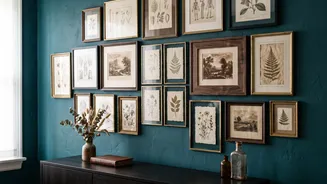
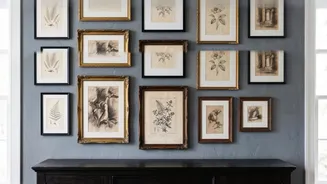
The secret to a stunning vintage gallery wall is to abandon the idea that everything must match. The goal is curated chaos, not perfect symmetry. An eclectic collection feels more personal and gathered over time. The charm comes from the variety: a mix
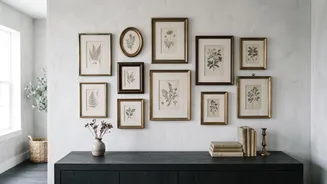
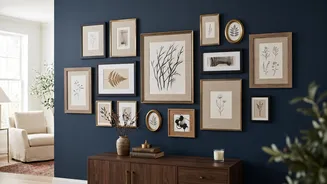
of ornate gold frames, simple wooden ones, and perhaps a sleek metal edge. By blending different materials, sizes, and even shapes like ovals and rectangles, you add visual interest and a dynamic quality that uniform frames lack. The result is a display that reflects your unique personality and story.
Finding Your Unifying Thread
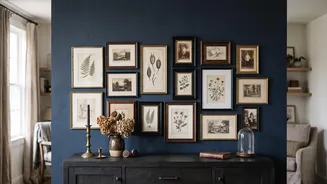
While the frames should be different, the overall display needs a subtle sense of cohesion to avoid looking cluttered. This doesn't mean matching; it means finding a common element that ties the pieces together. You could limit your frame finishes to two or three main colours, like black, wood, and a metallic accent, and repeat them across the wall. Another strategy is to unify the collection through the art itself. A consistent colour palette in your prints and photos, such as black-and-white photography or art with warm, earthy tones, can make even the most diverse frames feel harmonious. Consistent matting colour is another powerful tool to create unity.
The Thrill of the Hunt
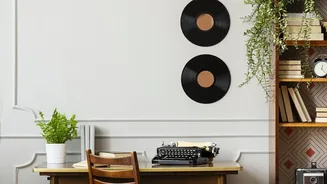
Building your collection is half the fun. Thrift stores, flea markets, antique shops, and estate sales are goldmines for unique and affordable frames. Look for frames with character—ornate carvings, a bit of patina, or interesting shapes. Don't be deterred if you love a frame but not the art inside it; that can always be replaced. You can also mix in other objects to add texture and dimension. Think about small mirrors, woven fans, ceramic plates, or even sentimental ornaments. These unexpected elements break up the rectangular shapes and make the wall truly one-of-a-kind.
Mastering the Layout
Before a single nail goes into the wall, plan your arrangement. The most effective method is to lay everything out on the floor first. Start with your 'anchor' piece—usually the largest or most prominent artwork—and place it slightly off-centre at roughly eye level. Then, build the rest of the arrangement around it, balancing visual weight. For example, if you have a heavy, ornate frame on one side, place another medium-to-large piece diagonally from it to create equilibrium. A great pro-tip is to trace each frame onto craft paper, cut out the templates, and tape them to the wall with painter's tape. This allows you to experiment with placement and spacing without making any permanent holes.
Perfecting the Placement
Spacing is the invisible glue that holds a gallery wall together. For an eclectic mix, a consistent gap of about two to four inches between each frame is a good rule of thumb. This ensures the pieces feel like a single, cohesive group rather than a random scattering. The exact measurement is less important than keeping it relatively consistent throughout the arrangement. As you hang each piece, step back frequently to check the overall balance. An asymmetrical layout often feels more relaxed and natural for a vintage collection. Trust your eye; the goal is a wall that feels balanced and interesting, not rigidly perfect.