





The Pressure on Household Budgets
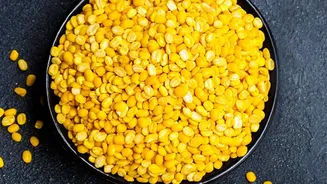
At the heart of the government's consideration is the rising cost of pulses, a critical part of the daily Indian diet. In recent weeks and months, prices for major pulses like tur (arhar), chana, and moong have climbed steadily. According to data from
the Department of Consumer Affairs, the all-India average retail price of tur dal saw a nearly 9.5% increase in the year leading up to October 2026. This inflation in the pulses basket has been driven by a combination of factors, including increased demand during the festive season and growing concerns about domestic supply shortfalls. When the cost of such a fundamental food item goes up, it puts direct pressure on household budgets and contributes significantly to overall food inflation, a metric the government and the Reserve Bank of India watch very closely.
An Anxious Eye on the Weather
A primary driver behind the potential supply gap is the weather. A patchy and uneven monsoon season has raised serious concerns about the output of the Kharif (summer-sown) crops. Key pulse-growing states, including Maharashtra and Karnataka, have faced significant rainfall deficits and even drought conditions in some areas. This directly impacts the yield of rain-fed crops like pulses. With the Kharif harvest expected to fall short of the government's targets, particularly for pigeon pea (tur), attention is now turning to the upcoming Rabi (winter-sown) season. However, the lack of monsoon rain has also reduced soil moisture, which could affect the planting of major Rabi pulses like chana, further compounding supply worries.
The Import Lever: A Tool for Cooling Prices
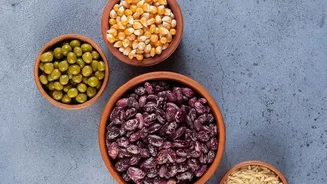
When domestic supply is tight and prices are rising, one of the most direct tools the government has is to adjust trade policy. By lowering or removing import duties, the government can make it cheaper for traders to bring in pulses from other countries. This increases the overall availability of pulses in the market, which helps to cool down prices. Currently, India imposes different import taxes on various pulses, such as a 10% duty on red lentils (masoor) and chickpeas (chana) and a 30% duty on yellow peas. The government is reportedly considering reducing these tariffs, specifically for lentils and yellow peas. It has already allowed for the duty-free import of tur and urad until March 2027 to manage their prices. India is the world's largest consumer and importer of pulses, relying on countries like Canada, Australia, and Myanmar to bridge its production-demand gap.
A Delicate Balancing Act
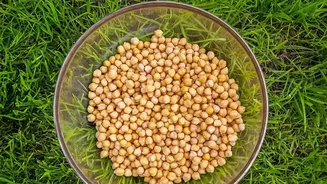
The decision to ease import restrictions is not straightforward. The government must perform a delicate balancing act between the interests of consumers and farmers. While cheaper imports provide immediate relief to households by bringing down retail prices, they can also depress domestic market rates. If prices in local mandis fall too low, it can hurt the income of Indian farmers and discourage them from planting pulses in the next season. For this reason, the government might choose to keep the import duty on chickpeas (chana) unchanged. With chana sowing set to begin in October, maintaining the tariff could encourage farmers to expand its cultivation area, thereby boosting domestic production in the long run. This highlights the constant tension between short-term price control for consumers and ensuring long-term profitability and stability for farmers.