


The Core of the Issue: What is Cold-Pressed Juice?
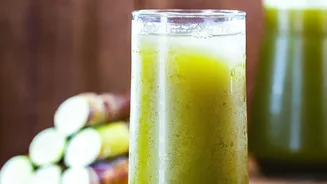
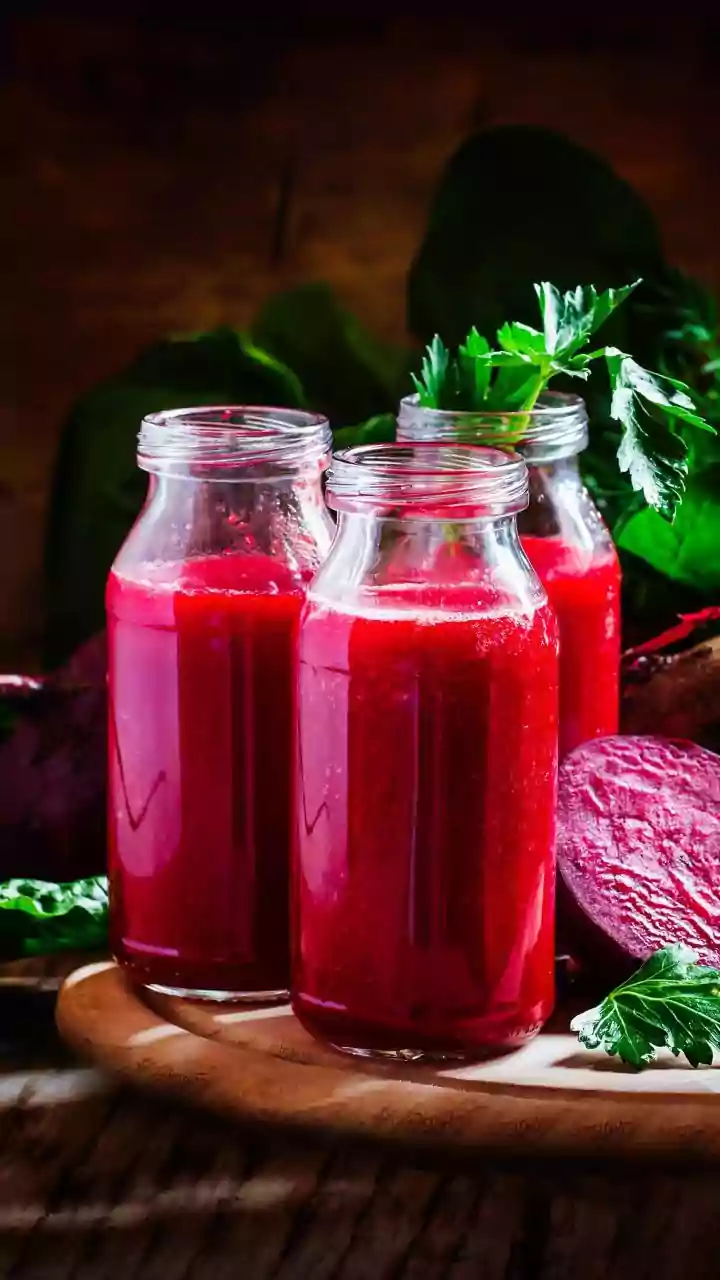
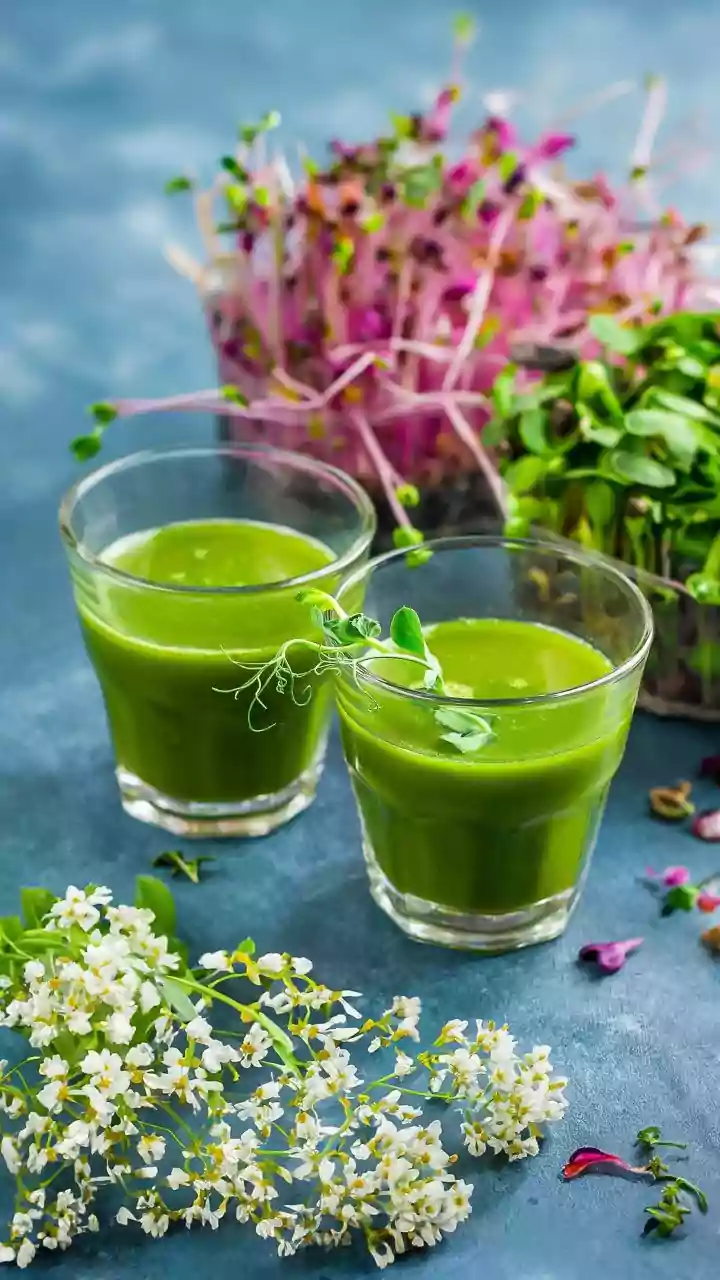
Before we dive into the myths, let's clarify what cold-pressed juice is. The process involves using a hydraulic press to extract juice from fruits and vegetables. Unlike traditional centrifugal juicers that use fast-spinning blades and generate heat,
this method preserves more vitamins and minerals. However, the key part of the process, for better or worse, is the extraction. The press separates the liquid juice from the solid parts—the skin, seeds, and pulp. While this creates a smooth, concentrated liquid, it leaves behind one of the most crucial components for your health: dietary fiber.
Myth: Juice Cleanses 'Detox' Your Body
One of the biggest marketing claims behind juice cleanses is their ability to 'detoxify' the body. The reality is that your body has a highly efficient, built-in detoxification system: your liver and kidneys. These organs work around the clock to filter waste and eliminate toxins. There is very little scientific evidence to support the idea that drinking only juice for several days enhances this natural process. In fact, the extreme calorie restriction of a juice cleanse can lead to fatigue, headaches, and irritability. Any weight lost is typically water weight that returns once you resume normal eating habits.
The Science of the Spike: Why Fiber Matters
This is the heart of the matter. Fiber, particularly soluble fiber, dissolves in water to form a gel-like substance in your digestive tract. This gel slows down digestion, which in turn slows the absorption of sugar into the bloodstream. When you eat a whole apple, its fiber acts as a natural brake, ensuring a slow, steady release of energy. When you drink apple juice, that brake is gone. The concentrated sugar hits your system all at once, causing a rapid spike in blood glucose. Your body then releases a large amount of insulin to manage this sugar rush, which often leads to a subsequent 'crash', leaving you feeling tired and hungry again soon after.
Myth: Juice Is Healthier Than Whole Fruit
While juice contains vitamins, it's a nutritional step down from whole fruit. A glass of orange juice might require several oranges, meaning you consume the sugar of all those oranges in minutes, without the fiber that would make you feel full. The glycemic index (GI), which measures how quickly a food raises blood sugar, tells the story. A whole orange has a GI of around 40, while orange juice can be as high as 66—closer to that of a cola. By removing the fiber-rich pulp and skin, you not only speed up sugar absorption but also lose valuable phytonutrients and prebiotics that support a healthy gut.
A Smarter Sip: The Case for Smoothies
If you enjoy drinking your fruits and vegetables, there's a better alternative: smoothies. Unlike juicing, blending incorporates the entire fruit or vegetable—skin, pulp, and all. This means you retain the all-important fiber. As a result, smoothies are more filling, support better digestion, and lead to a more gradual rise in blood sugar compared to juice. By keeping the fiber, a smoothie can be a satisfying snack or even a small meal replacement, whereas juice provides liquid calories that don't keep you full for long.