







The New Colleague Who Never Sleeps
For many managers and older colleagues, the sight of a new hire staring intently at a ChatGPT window can be perplexing, even alarming. Is this cheating? Slacking off? The reality is more nuanced and far more strategic. Generation Z, the first cohort to
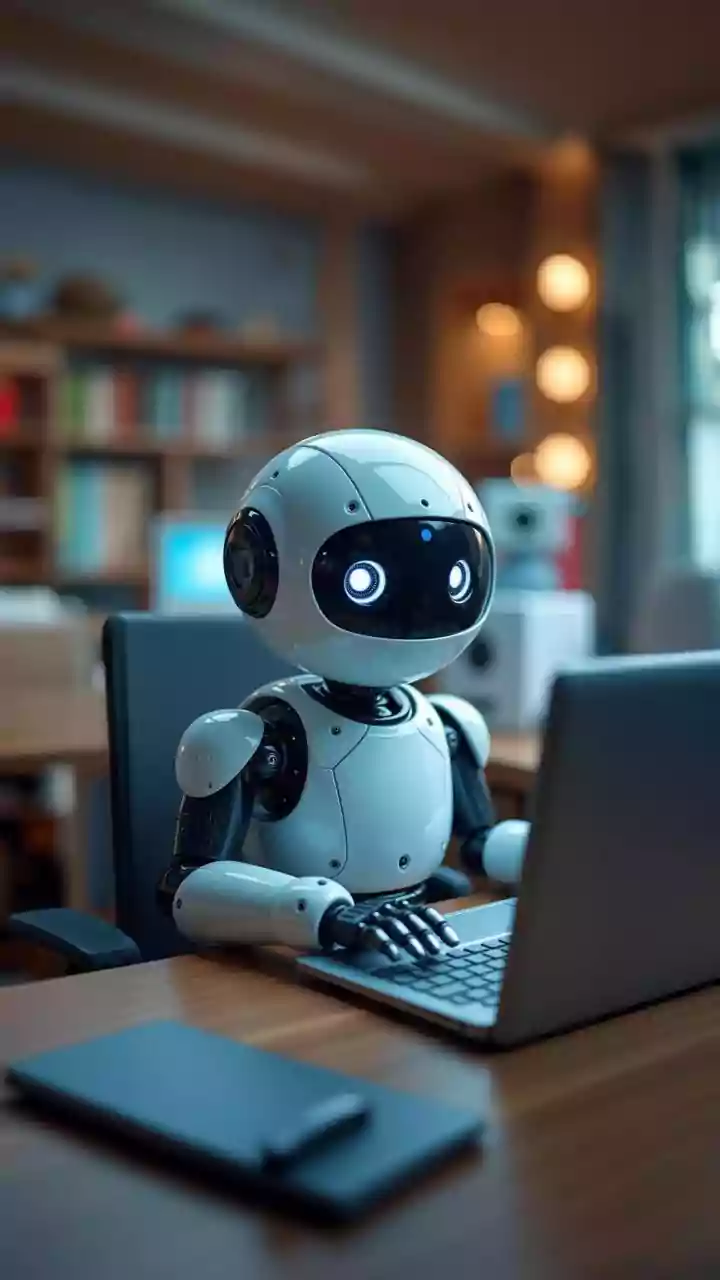
enter the workforce with powerful generative AI tools readily available, isn't just playing with a new toy. They are integrating it into their workflow as a foundational tool, akin to how millennials adopted Google and Gen X embraced the PC. They're using it to draft professional emails, summarise long reports, write and debug code, brainstorm marketing slogans, and even translate complex jargon into plain English. For them, ChatGPT is the tireless intern, the always-on mentor, and the instant-access knowledge base rolled into one.
From Digital Natives to AI Natives
To understand this trend, one must understand the mindset of Gen Z. This is a generation that grew up with smartphones in hand, where any question could be answered with a quick search. The friction between a problem and a solution has been systematically removed from their digital lives. They don't remember a time before instant access to information. ChatGPT and other generative AI tools are simply the next logical evolution of this reality. Why ask a busy manager a question and wait 30 minutes for a reply when an AI can provide a comprehensive, if not always perfect, answer in 30 seconds? This isn't born out of disrespect for authority, but a deeply ingrained instinct for efficiency.
Bridging the Confidence and Skill Gap
One of the most powerful, and often overlooked, drivers of this trend is confidence. Every new employee, regardless of generation, has a fear of 'looking stupid.' They are hesitant to ask what they fear might be a basic question or to admit they don't know how to format a specific type of corporate communication. ChatGPT offers a private, judgement-free zone to ask those questions. It acts as a personal tutor, helping them bridge the gap between academic knowledge and practical workplace skills. An entry-level employee can ask the AI to 'explain this financial model like I'm five' or 'rewrite this awkward sentence to sound more professional' without the social anxiety of revealing a knowledge gap to a superior. In this sense, the AI acts as a crucial confidence-builder, helping them get up to speed faster.
A Superpower for Productivity
Ultimately, Gen Z's embrace of AI is a pragmatic play for productivity. They see a tool that can automate the tedious parts of their job, freeing them up to focus on more creative, strategic, and impactful tasks. The time saved by not having to manually summarise a two-hour meeting transcript or draft five variations of a client follow-up email is time that can be reinvested in learning a new skill or thinking more deeply about a core project. Studies from institutions like Microsoft have shown that employees who use AI are reporting higher levels of job satisfaction and feeling less burnt out. Gen Z isn't just using AI to do their work; they are using it to make their work better and more meaningful.
A New Challenge for Management
This rapid adoption presents both a challenge and an opportunity for businesses. Managers who react with suspicion and try to ban these tools risk alienating their youngest talent and falling behind competitors. The smarter approach is to embrace the trend while setting clear guidelines. This means establishing policies around data privacy (don't input confidential company information!), accuracy (always verify the AI's output), and ethics. Forward-thinking companies are now focusing on training their entire workforce on how to use AI effectively, treating 'prompt engineering' as a critical new skill. The question for managers is no longer 'if' their employees are using AI, but 'how' they can guide them to use it to drive the best possible outcomes for the business.