






Defining the Social-to-Menu Gap
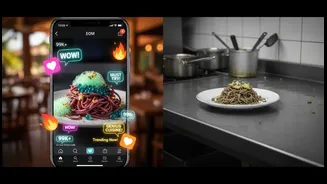
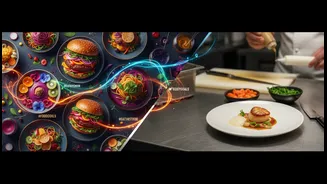
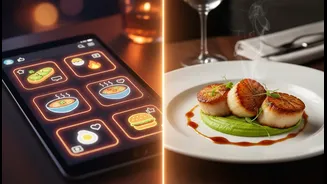
Walk into many Indian cafes, and you'll find menus that feel safe and familiar. Meanwhile, on platforms like Instagram and YouTube, a different culinary world is exploding. This is the social-to-menu gap: the time lag and disconnect between the dishes,
ingredients, and food styles capturing millions of views online and what is actually available to order in a restaurant. While social media showcases experimental chaats, regional hyper-local cuisines, and global fusion concepts, many establishments rely on traditional, long-term menu planning cycles. This gap represents a missed connection with what a large, digitally-native customer base is actively craving.
The Old Way vs. The New Digital Reality
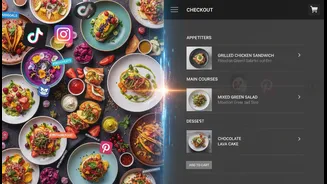
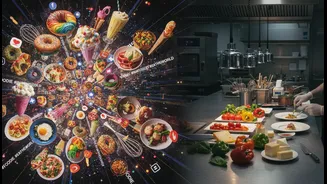
Traditionally, menu development has been a slow, internal process. It’s often chef-driven, based on seasonal availability, or rooted in complex cost analysis and supply chain stability. This model was built for a world where food trends evolved over years, not weeks. Today, short-form video has accelerated trend lifecycles to an unprecedented speed. A viral recipe or a unique dish from a food creator can become a nationwide sensation almost overnight. Diners, especially Gen Z and Millennials, increasingly discover their next meal on a screen, with data from 2026 showing that over half of them use social platforms to decide where to eat. This creates a new reality where customer demand is visible, measurable, and happening in real-time, long before a chef might consider it for the next quarterly menu refresh.
From Viral to Viable: The Business Opportunity
Closing this gap isn’t about just copying viral trends; it's about using social listening as a powerful form of free market research. Restaurants that tap into these insights can make faster, more relevant decisions that drive business growth. Launching a limited-time offer (LTO) based on a trending flavour profile or dish can attract new footfall from customers specifically seeking that item. It creates buzz, generates user-generated content as diners share their finds, and positions the brand as current and responsive. Beyond novelty, social media trends can also serve as a gateway to introduce unfamiliar but authentic regional Indian cuisines, like those from Kerala or Nagaland, which are gaining interest online. A customer who comes in for a viral dish is often more open to exploring the rest of the menu, boosting overall sales.
A Practical Route to Faster Decisions
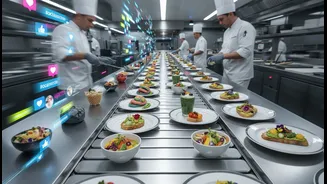
So, how can a restaurant practically bridge this gap? It starts with a strategic approach. First, establish a system for real-time trend monitoring by following key food creators, tracking relevant hashtags, and analysing engagement patterns on platforms popular in India. Second, adopt an agile development process. Smaller, independent restaurants have an advantage here, as they can test and launch a new dish in days. Larger chains can create dedicated teams for rapid LTO development. Third, leverage data. Menu engineering principles can be applied to social trends, analysing the potential profitability and operational feasibility of a viral dish before committing. This data-driven approach helps distinguish a fleeting fad from a sustainable trend that aligns with the brand.
Avoiding the Trend Trap
While the opportunity is significant, there are pitfalls to avoid. Chasing every single trend can lead to brand confusion and operational chaos. A viral dish might be visually appealing but difficult to execute consistently or require ingredients that are hard to source. Furthermore, social media often creates unrealistic expectations regarding preparation time and appearance. The key is strategic adoption. A trend should align with the restaurant's core identity and target audience. Instead of replicating a dish exactly, a chef can incorporate a trending flavour, like 'swalty' (sweet and salty), or a popular ingredient, like high-fibre alternatives, into their existing culinary style. The goal is to be inspired by the conversation, not dictated by it.